The Ultimate Guide to Perfectly Buttery Shortbread Cookies
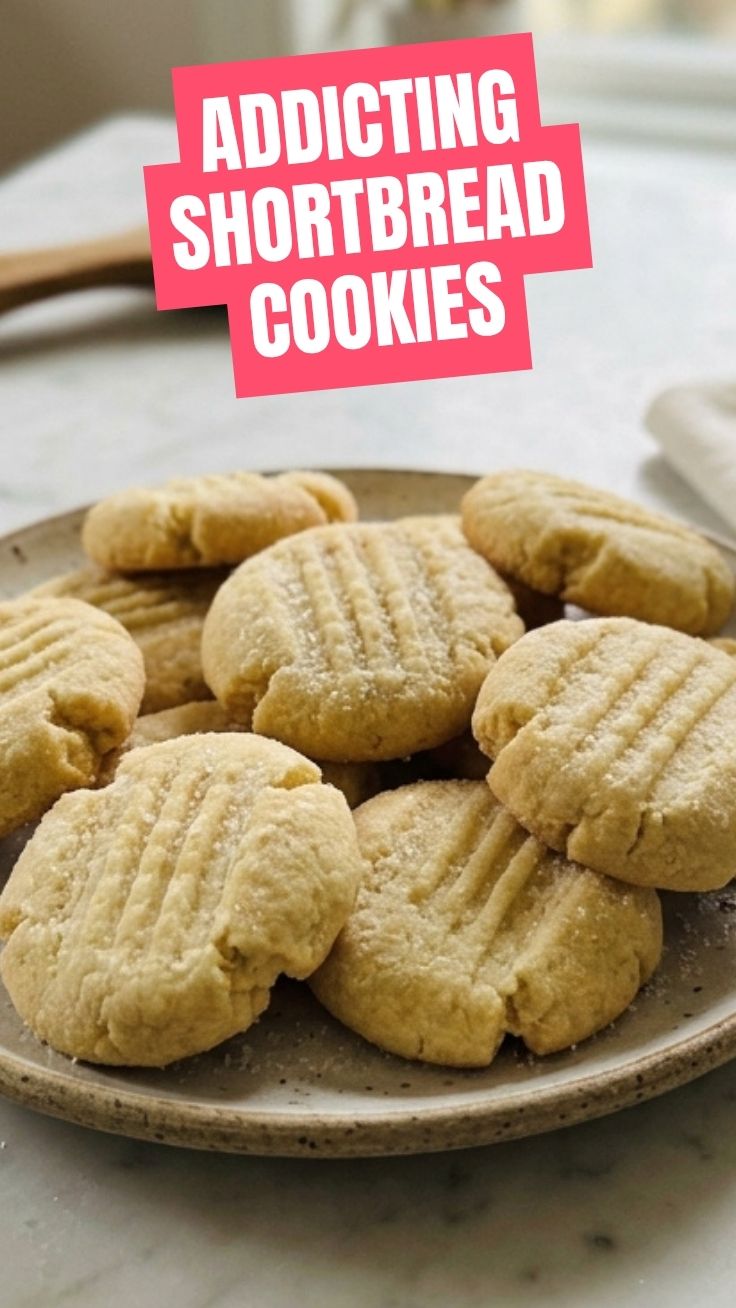
Have you ever bitten into a dry, crumbly shortbread cookie that simply doesn’t melt in your mouth the way it should? If so, you’re not alone. Mastering the art of Shortbread Cookies at home is easier than you think—and the reward is a buttery, tender treat that rivals any bakery version. Preparing these from scratch allows you to control the quality of ingredients, adjust sweetness to your liking, and enjoy the therapeutic process of baking. Today, we’ll unlock the secrets to achieving that perfect balance of crispness and tenderness, with a special focus on the foundation of any great shortbread: a truly exceptional butter shortbread.
Ingredients & Kitchen Tools
Ingredients
– Unsalted butter (1 cup / 227g): The star of the show. Use high-quality European-style butter for richer flavor. Softened to room temperature.
– Powdered sugar (1/2 cup / 60g): Creates a finer, more tender crumb than granulated sugar. Sifted to remove lumps.
– All-purpose flour (2 cups / 250g): Provides structure. For a nuttier flavor, substitute 1/4 cup with rice flour.
– Cornstarch (1/4 cup / 30g): The secret to melt-in-your-mouth texture. You can substitute with potato starch or arrowroot powder.
– Vanilla extract (1 tsp): Pure extract is best. Try almond extract for a different twist.
– Fine sea salt (1/4 tsp): Balances sweetness and enhances butter flavor.
Kitchen Tools
– Electric mixer or stand mixer with paddle attachment – Creaming butter and sugar thoroughly is crucial.
– Large mixing bowl
– Measuring cups and spoons
– Rubber spatula
– Plastic wrap – For chilling the dough.
– Rolling pin – For even thickness.
– Cookie cutters – Any shape you prefer.
– Baking sheet lined with parchment paper
– Wire cooling rack
Prep Time & Cooking Schedule
– Prep time: 20 minutes (active) + 30 minutes (chilling)
– Resting time: 30 minutes (dough chilling)
– Bake time: 12–15 minutes per batch
– Total time: approximately 1.5 hours
Planning tip: Chilling the dough is non-negotiable. It prevents spreading, develops flavor, and ensures a clean, sharp edge on your cookies. You can chill the dough for up to 3 days—just wrap it tightly.
Step-by-Step Instructions
1. Cream butter and sugar. In a large bowl, beat the softened butter with an electric mixer on medium speed for 2 minutes until light and fluffy. Add the powdered sugar and beat for another 2 minutes, scraping the bowl. This incorporates air and creates the foundation of a perfect butter shortbread.
2. Combine dry ingredients. In a separate bowl, whisk together the all-purpose flour, cornstarch, and salt. This ensures even distribution of leavening and salt.
3. Mix in flour. With the mixer on low speed, gradually add the dry ingredients to the butter mixture. Mix just until a soft dough forms. Overmixing develops gluten, making cookies tough. This is the moment your Shortbread Cookies begin to come together.
4. Shape and chill. Gather the dough, flatten into a disc, wrap in plastic, and refrigerate for 30 minutes. Temperature cue: The dough should be firm but not rock-hard. If too cold, let it sit at room temperature for 5 minutes before rolling.
5. Roll and cut. On a lightly floured surface, roll dough to 1/4-inch thickness. Cut into desired shapes. Place on parchment-lined baking sheets, 1 inch apart. Texture cue: For a classic crumbly texture, don’t reroll scraps more than once.
6. Bake. Bake at 350°F (175°C) for 12–15 minutes, until the edges are just golden. The tops should remain pale. Temperature control: If your oven runs hot, reduce to 325°F (160°C) and increase bake time by 2 minutes.
7. Cool completely. Transfer cookies to a wire rack. They will firm up as they cool.
Nutritional Benefits & Advantages
While shortbread is an indulgent treat, it offers some surprising merits. The primary ingredient, butter, provides fat-soluble vitamins A, D, E, and K2 (especially in grass-fed butter). Using butter shortbread as your base means you’re avoiding artificial trans fats and hydrogenated oils found in many store-bought versions. The simple ingredient list also makes it easier to control sodium and sugar levels. Compared to commercial cookies, homemade Shortbread Cookies have no preservatives, additives, or high-fructose corn syrup. For a slightly healthier twist, you can reduce sugar by 20% without compromising texture.
Tips, Variations & Cooking Advice
– Flavor variations: Add 1/2 teaspoon of lemon zest, 1/4 teaspoon of cinnamon, or 1 tablespoon of finely chopped fresh rosemary for a savory-sweet twist.
– Ingredient swaps: Replace 1/4 cup flour with cocoa powder for chocolate shortbread. For a gluten-free version, use a 1:1 gluten-free flour blend.
– Alternative cooking methods: Try chilling the dough log-shaped and slicing for uniform rounds. No rolling pin needed.
– Dietary adaptations: For dairy-free, use high-quality plant-based butter sticks. Ensure they are at least 80% fat for best texture.
– Portion changes: Make smaller 1-inch cookies for tea parties or larger 3-inch cookies for ice cream sandwiches.
Common Mistakes to Avoid
– Over-creaming butter and sugar: This incorporates too much air, causing cookies to puff then collapse. Stop when mixture is light, not fluffy.
– Skipping the chill: Warm dough spreads into thin, crispy pucks. Always chill for at least 30 minutes.
– Overmixing the dough: Gluten development leads to tough, dense cookies. Mix only until the flour disappears.
– Using cold butter: It won’t cream properly and creates a grainy texture. Butter should be soft enough to leave an indent when pressed.
– Baking too long: Shortbread should be set but not browned. Remove when edges are just slightly golden; the centers will continue to firm up on the baking sheet.
Storage & Meal Prep Tips
– Room temperature: Store in an airtight container layered with parchment. They stay fresh for up to 1 week.
– Refrigeration: Extend freshness to 2 weeks in the fridge, but allow cookies to come to room temperature before serving for best texture.
– Freezing: Baked cookies freeze beautifully for up to 3 months. Layer with parchment in a freezer-safe container. Thaw at room temperature for 30 minutes.
– Dough freezing: Wrap dough discs tightly in plastic wrap, then foil. Freeze for up to 3 months. Thaw overnight in the fridge before rolling and baking.
– Reheating: For a freshly-baked taste, warm cookies in a 300°F (150°C) oven for 3–5 minutes—never microwave, which makes them soggy.
Conclusion
There you have it—the foundation for creating unforgettable, melt-in-your-mouth Shortbread Cookies that will impress family and friends alike. By focusing on quality ingredients and mastering the technique of a true butter shortbread, you’ve unlocked a versatile recipe that can be adapted to any occasion. Whether you’re baking for holiday gifting, afternoon tea, or simply a cozy evening treat, these cookies deliver consistent, delicious results every time. I encourage you to try this recipe, share your results on social media, or explore our collection of variations for endless inspiration. Happy baking!
FAQs
1. Can I use salted butter instead of unsalted?
Yes, but reduce the added salt in the recipe by half. Salted butter can vary in sodium content, so taste the dough (uncooked) to adjust.
2. Why did my cookies spread too much?
This usually happens from insufficient chilling or over-creaming the butter. Chill the dough for at least 30 minutes and ensure your butter is not too warm.
3. Can I make these cookies gluten-free?
Absolutely! Use a high-quality 1:1 gluten-free flour blend that contains xanthan gum. The texture will be slightly crumblier but still delicious.
4. My shortbread turned out too dry. What went wrong?
You likely measured the flour incorrectly (spoon and level, don’t scoop). Alternatively, you may have baked them too long or used too much cornstarch.
5. Can I add other flavors like chocolate chips or nuts?
Yes! Fold in up to 1/2 cup of mini chocolate chips, chopped nuts, or finely chopped dried fruit after mixing the dough. Be gentle to avoid overmixing.
Best way to make 3 Shortbread Cookies
Ingredients
Equipment
Method
- Preheat your oven to 325°F (160°C) and line a small baking sheet with parchment paper.
- In a small bowl, cream together the softened butter and powdered sugar until light and fluffy.
- Gradually add the all-purpose flour, salt, and vanilla extract (if using), mixing until a soft dough forms.
- Lightly flour a surface and roll out the dough to about 1/4 inch thickness, then cut out three cookies using a cookie cutter or knife and place them on the prepared baking sheet.
- Bake for 15-18 minutes, or until the edges are lightly golden, then let the cookies cool on the baking sheet for a few minutes before transferring them to a wire rack to cool completely.