The Ultimate Guide to Perfectly Soft and Chewy Molasses Cookies
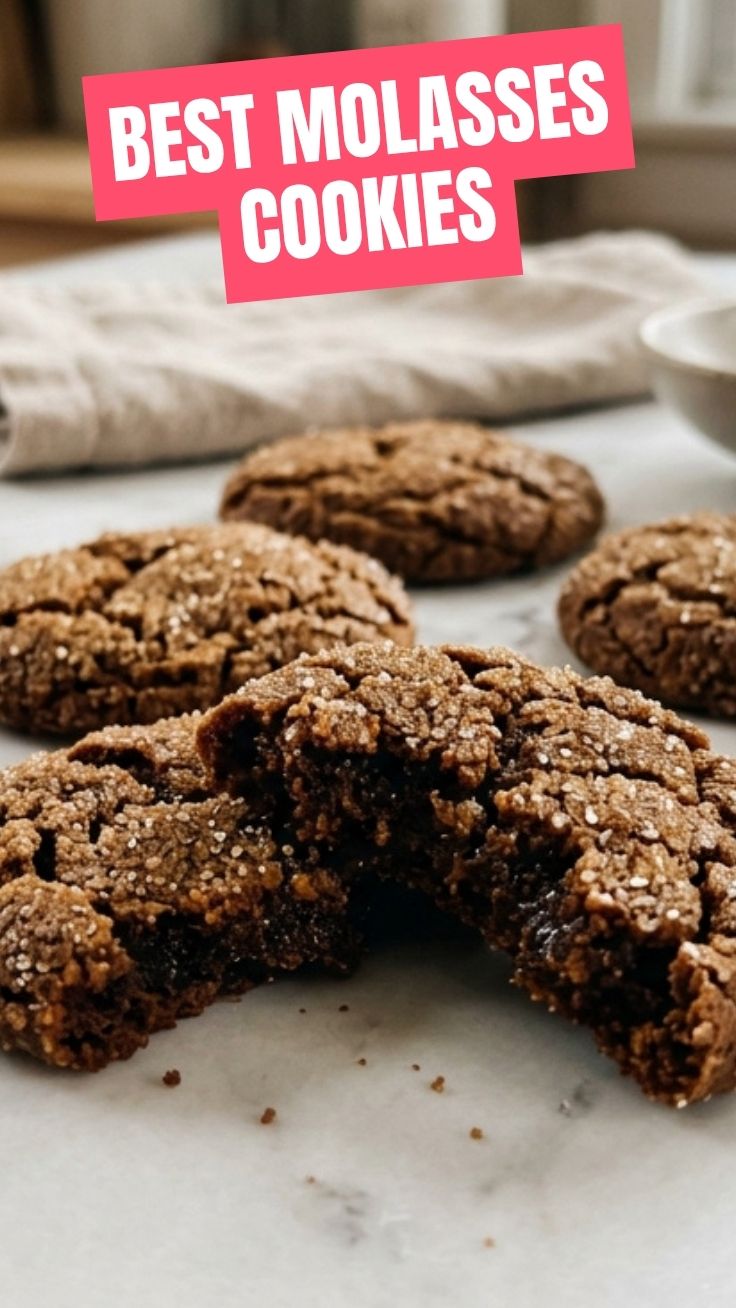
Have you ever bitten into a store-bought cookie only to find it dry, brittle, or lacking that deep, rich flavor you crave? There’s something magical about a homemade batch of Molasses Cookies—the kind that fills your kitchen with the warm, spiced aroma of cinnamon, ginger, and cloves. Preparing these cookies at home isn’t just about saving money; it’s about controlling every element from the sweetness level to the texture, ensuring a soft, chewy center with a perfectly crackled top. Today, I’m sharing an exceptional Molasses Cookies recipe that’s been tested for reliability and taste, and I’ll walk you through every step to achieve bakery-quality results in your own kitchen.
Ingredients & Kitchen Tools
For the Cookies:
– All-purpose flour (2 1/4 cups): Provides structure; sift for a lighter crumb.
– Unsalted butter (3/4 cup, softened): Use room temperature for even creaming; salt levels are controlled separately.
– Granulated sugar (1 cup): Sweetens and helps create that signature crackled top.
– Dark brown sugar (1/2 cup, packed): Adds moisture and a deeper caramel note.
– Molasses (1/3 cup): The star ingredient; use unsulphured molasses for smooth, non-bitter flavor.
– Large egg (1): Binds ingredients; at room temperature for better incorporation.
– Baking soda (2 tsp): Helps cookies spread and develop cracks.
– Spices (1 tsp ground ginger, 1 tsp cinnamon, 1/2 tsp cloves, 1/4 tsp nutmeg): Adjust ratios based on preference.
– Salt (1/2 tsp): Balances sweetness and enhances spice notes.
– Optional: 1/4 cup granulated sugar for rolling.
Kitchen Tools:
– Mixing bowls (large and medium)
– Electric hand mixer or stand mixer
– Measuring cups and spoons
– Baking sheets (lined with parchment or silicone mats)
– Cooling rack
– Cookie scoop (2-tablespoon size)
Prep Time & Cooking Schedule
Prep Time: 20 minutes active work
Chill Time: 2 hours (minimum – do not skip!)
Bake Time: 10–12 minutes per batch
Total Time: Approximately 2 hours 35 minutes
Context to Help You Plan: The chilling stage is non-negotiable. It solidifies the butter, prevents excessive spreading, and allows the molasses to meld with the spices, resulting in a thicker, chewier cookie. If you’re short on time, you can chill the dough for just 30 minutes, but the texture will be flatter and less tender. Bake in batches to maintain oven temperature consistency.
Step-by-Step Instructions
1. Cream Butter and Sugars: In a large bowl, beat softened butter, granulated sugar, and dark brown sugar on medium speed until light and fluffy (about 3 minutes). Scrape down sides.
2. Add Wet Ingredients: Beat in the egg and molasses until fully combined. The mixture may look slightly curdled—this is normal.
3. Combine Dry Ingredients: In a separate bowl, whisk flour, baking soda, spices (ginger, cinnamon, cloves, nutmeg), and salt.
4. Mix Dry into Wet: Gradually add dry ingredients to wet mixture on low speed until just combined. Do not overmix—overworking develops gluten and makes cookies tough.
5. Chill Dough: Cover bowl with plastic wrap and refrigerate for at least 2 hours. For best results with this Molasses cookie recipe, chill overnight.
6. Preheat Oven & Roll: Preheat oven to 350°F (175°C). Scoop chilled dough into 1.5-tablespoon balls. Roll each ball in granulated sugar until fully coated.
7. Bake: Place sugar-coated dough balls 2 inches apart on lined baking sheets. Bake for 10–12 minutes. Edges should be set but centers still soft.
8. Cool: Let cookies rest on baking sheet for 5 minutes before transferring to a wire rack. They’ll continue cooking from residual heat. If you love mastering a classic Molasses Cookies batch, this method guarantees a crackly sugar crust with a soft, chewy interior every time.
Nutritional Benefits & Advantages
Molasses is more than just a sweetener—it’s a nutrient-dense ingredient. Blackstrap molasses (commonly used in baking) is rich in iron (providing about 20% of the daily value per serving), calcium, magnesium, and potassium. It also has a lower glycemic index than refined white sugar, meaning it causes a slower, more gradual rise in blood sugar. While these cookies are still a treat, they offer more mineral content than standard sugar cookies. The addition of spices like ginger and cinnamon also provides anti-inflammatory properties and aids digestion.
Tips, Variations & Cooking Advice
Flavor Variations:
– Add dark chocolate chips for a rich twist.
– Swap ground cloves for allspice or cardamom for a different warmth.
– Use white whole wheat flour for a slightly nuttier, higher-fiber version.
Dietary Adaptations:
– Gluten-free: Substitute all-purpose flour with a gluten-free baking blend (add 1/2 tsp xanthan gum if not included). Texture will be slightly more crumbly.
– Dairy-free: Use coconut oil (solid, not melted) in place of butter—chill dough longer.
Portion Changes: For smaller cookies, scoop 1-tablespoon balls; bake for 8–9 minutes. For jumbo cookies, scoop 3-tablespoon balls; bake for 14–16 minutes.
Common Mistakes to Avoid
– Skipping the chill: Dough that isn’t chilled spreads into thin, crisp discs rather than thick, soft rounds.
– Overbaking: The cookies will look underdone when pulled from the oven—trust the process. Overbaking results in dry, hard cookies.
– Using blackstrap molasses: It’s too bitter for this recipe; stick with unsulphured or dark molasses.
– Rough handling of dough: Overmixing creates tough cookies. Mix just until no streaks of flour remain.
Storage & Meal Prep Tips
– Room Temperature: Store baked cookies in an airtight container with a slice of bread (to keep them soft) for up to 5 days.
– Freezing Unbaked Dough: Scoop dough balls, freeze on a sheet pan, then transfer to a freezer bag. Bake straight from frozen—add 1–2 minutes to bake time.
– Freezing Baked Cookies: Flash freeze on a baking sheet, then transfer to a bag. Thaw at room temperature for 15 minutes or reheat in a 300°F oven for 5 minutes for that “freshly baked” feel.
Conclusion
Making soft, spiced Molasses Cookies from scratch is simpler than you think, but the payoff is immense—a kitchen filled with holiday warmth and a batch of cookies that rival any bakery. By following the precise chilling time, careful mixing, and temperature control outlined in this Molasses cookie recipe, you’ll consistently produce tender, crackled cookies that stay fresh for days. Whether you’re baking for a holiday swap, a cozy afternoon treat, or just because, this recipe is your new go-to. I’d love to hear how yours turn out—leave a comment below with your spice twist or chocolate addition!
FAQs
1. Can I use light molasses instead of dark?
Yes, but the flavor will be milder and the cookies lighter in color. Dark molasses gives a richer depth.
2. Why did my cookies spread too much?
Dough wasn’t chilled long enough, or butter was too soft. Next time, chill for the full 2 hours and ensure butter is just softened, not melted.
3. Can I add crystallized ginger?
Absolutely—chop 1/4 cup finely and fold into the dough after the dry ingredients. It adds spicy chews throughout.
4. How do I make dairy-free molasses cookies?
Use solid coconut oil instead of butter. Chill dough for an extra 30 minutes to avoid excessive spreading.
5. Why do I need to roll dough in sugar before baking?
The sugar coating creates that classic shiny, crackled crust as the cookie expands in the oven—don’t skip it!
Proven way to grow 7 soft Molasses Cookies. Molasses Cookies
Ingredients
Equipment
Method
- Preheat your oven to 375°F (190°C) and line a baking sheet with parchment paper.
- In a medium bowl, whisk together the all-purpose flour, baking soda, ground cinnamon, ground ginger, ground cloves, and salt. Set aside.
- In a large bowl, cream together the softened unsalted butter, granulated sugar, and packed brown sugar until light and fluffy.
- Beat in the egg, molasses, and vanilla extract until well combined.
- Gradually add the dry ingredients to the wet ingredients, mixing until just combined and a soft dough forms.
- Place the remaining 1/4 cup of granulated sugar in a shallow bowl. Roll the cookie dough into 7 equal-sized balls, then roll each ball in the sugar to coat evenly.
- Arrange the sugar-coated dough balls on the prepared baking sheet, leaving some space between them.
- Bake for 8-10 minutes, or until the edges are set and the centers are still slightly soft. Let the cookies cool on the baking sheet for a few minutes before transferring them to a wire rack to cool completely.