Why You Should Master This Vibrant Recipe at Home
Have you ever wondered why the salsa at your favorite Mexican restaurant tastes so much brighter and more complex than anything from a jar? The secret lies in two simple truths: you use peak-season ingredients, and you control every element of the process. When you prepare this recipe yourself, you unlock a level of freshness that no store-bought version can match. Within just 15 minutes of active work, you can craft a condiment that elevates everything from tacos to grilled proteins. This Homemade Salsa relies on the vibrant acidity and sweetness of fresh tomatoes—the foundation that gives the entire dish its soul. Whether you are meal prepping for the week or hosting a last-minute gathering, learning to balance heat, acid, and texture from scratch is a kitchen skill that pays dividends every time you cook.
—
Ingredients & Kitchen Tools
Core Ingredients
– 4 medium Roma or vine-ripened tomatoes – Diced finely; Roma tomatoes offer less watery flesh, while vine-ripened varieties provide a sweeter, more complex flavor profile.
– ½ medium white onion – Finely chopped; white onion brings a sharp, clean bite that mellows after resting.
– 1–2 jalapeño peppers – Seeded and minced; adjust quantity based on desired heat level. For a milder version, remove the white membrane completely.
– ¼ cup fresh cilantro leaves – Chopped; stems are okay if tender—they carry concentrated flavor.
– 2 tablespoons fresh lime juice – Bottled juice will not replicate the bright, floral acidity of freshly squeezed citrus.
– ½ teaspoon sea salt – Start with less; you can always add more after the flavors meld.
– Optional: 1 small garlic clove, minced – Adds depth without overpowering the tomatoes.
Kitchen Tools
– Sharp chef’s knife – Dull blades crush tomato flesh, releasing too much liquid prematurely.
– Large cutting board – Preferably wooden or plastic with a juice groove.
– Mixing bowl – Glass or stainless steel (avoid reactive aluminum, which can impart a metallic taste).
– Measuring spoons – Accuracy matters for salt and lime juice balance.
– Colander – Only needed if you choose to briefly drain the diced tomatoes to reduce watery salsa.
Substitutions
– Swap jalapeño for serrano pepper for a grassier, more intense heat.
– Replace white onion with red onion for a milder, slightly sweeter flavor.
– Omit cilantro if you belong to the genetic group that perceives it as soapy—flat-leaf parsley works as a neutral alternative.
—
Prep Time & Cooking Schedule
| Stage | Time |
|——-|——|
| Prep (chopping, juicing) | 15 minutes |
| Resting (flavor melding) | 20–30 minutes |
| Total | 35–45 minutes |
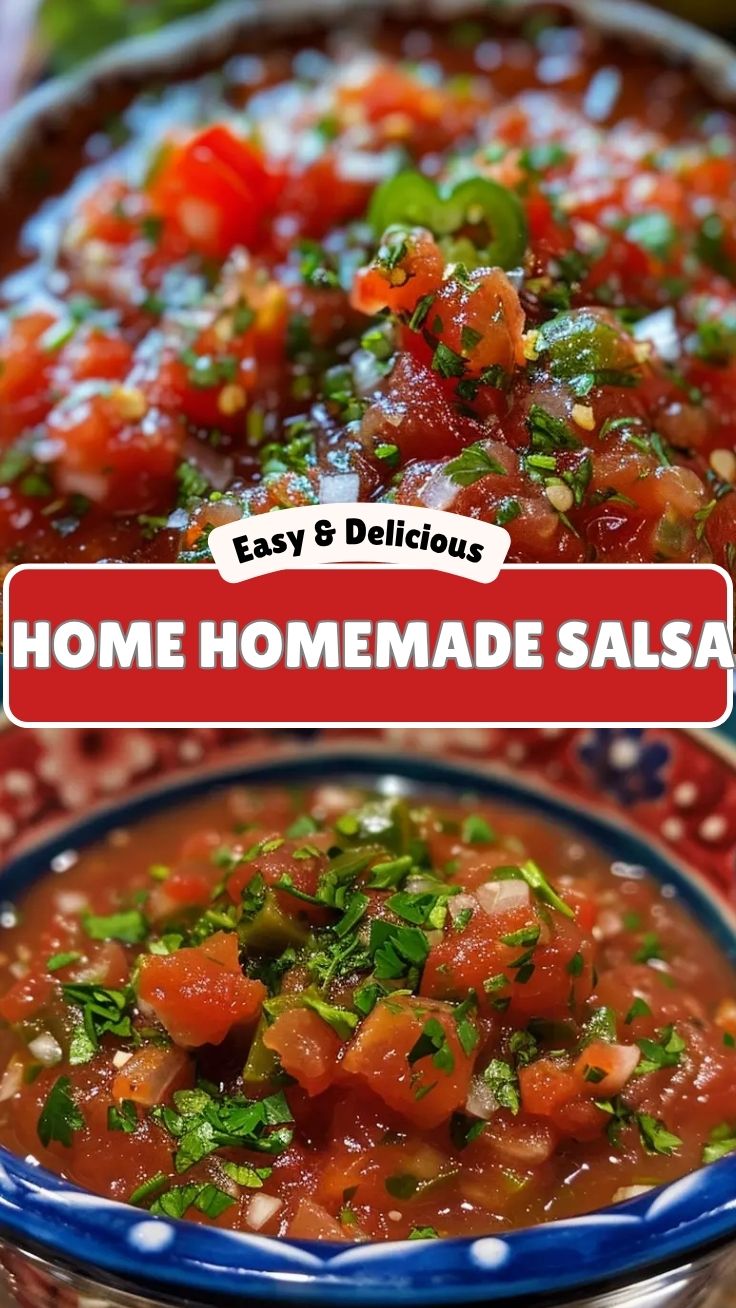
The resting period is non-negotiable. During those 20–30 minutes, the salt draws moisture from the tomatoes and onion, creating a light brine that carries the flavors of lime and chili throughout the entire mixture. If you taste the salsa immediately after mixing, it will taste disjointed—the acid will seem sharp and the heat will feel separate from the tomato base. Patience transforms that raw, separate mixture into a cohesive, harmonious salsa.
—
Step-by-Step Instructions
1. Prepare the tomatoes. Core each tomato and slice them in half horizontally. Gently squeeze out the seeds and excess gel over a bowl (save the liquid for soups or rice, if you wish). Dice the flesh into uniform ¼-inch cubes. Place the diced fresh tomatoes in your mixing bowl.
2. Chop the aromatics. Dice the onion to roughly the same size as your tomato cubes—consistency matters for texture. Mince the jalapeño finely; if you want a spicier salsa, leave a few seeds in. Chop the cilantro loosely, stems and all.
3. Combine and season. Add the onion, jalapeño, and cilantro to the bowl with the tomatoes. Squeeze the lime juice over the top—roll the lime firmly on the counter before cutting to maximize juice yield. Sprinkle the sea salt evenly across the surface.
4. Mix and adjust texture. Stir everything together gently but thoroughly. Taste a small spoonful. This is the moment to decide: does it need more salt to brighten the tomatoes? More lime to cut through the onion’s sharpness? A pinch of sugar if the tomatoes taste acidic rather than sweet? Trust your palate.
5. Rest and serve. Cover the bowl with plastic wrap or a lid and let it sit at room temperature for at least 20 minutes. Stir once more before serving. This homemade salsa is designed to be served chilled or at room temperature—never hot, as heat wilts the cilantro and cooks the fresh tomato texture.
Texture cue: The salsa should look chunky but cohesive, with visible individual cubes of tomato and onion. If it looks watery, you either over-salted it (drawing out too much liquid) or used overripe tomatoes. Next time, drain the diced tomatoes briefly in a colander before mixing.
Temperature control: Keep everything at room temperature while preparing. Cold tomatoes straight from the refrigerator will not release their juices properly during the resting phase, leading to a drier, less flavorful salsa.
—
Nutritional Benefits & Advantages
This homemade salsa is naturally low in calories—approximately 15–20 calories per ¼-cup serving—and packed with micronutrients. Tomatoes are the primary dietary source of lycopene, a powerful antioxidant linked to reduced risk of heart disease and certain cancers. Cooking tomatoes typically increases lycopene bioavailability, but eating them raw preserves vitamin C, which is heat-sensitive. Each serving provides roughly 15–20% of the daily value for vitamin C and a meaningful dose of vitamin A from the tomatoes and cilantro.
The onion and garlic (if used) contain allicin and quercetin, compounds associated with anti-inflammatory and immune-supporting benefits. Jalapeños add capsaicin, which may boost metabolism and reduce appetite. Because this recipe contains no added oils or sugars, it fits seamlessly into low-fat, whole-food, and low-glycemic dietary patterns. It also qualifies as gluten-free, dairy-free, vegan, and paleo-friendly without requiring any substitutions.
—
Tips Variations & Cooking Advice
Flavor Twists
– Roasted salsa: Place the tomatoes, onion, and jalapeño under a broiler for 5–7 minutes until charred, then chop and mix. This adds a smoky depth while still preserving the fresh texture.
– Mango or pineapple variation: Substitute 1 diced mango or ½ cup diced pineapple for one of the tomatoes. The fruit’s natural sweetness balances spicy jalapeños beautifully.
– Herb swap: Replace cilantro with fresh mint or basil for an unexpected Mediterranean twist.
Dietary Adaptations
– Low-sodium: Reduce salt to ¼ teaspoon and add a splash of vinegar instead of extra lime for acidity without sodium.
– Nightshade-free: Substitute the tomatoes with roasted red bell peppers, but note that the texture and acidity will shift significantly—this is a different sauce entirely.
Cooking Method Changes
– Food processor shortcut: Pulse the ingredients in 2–3 short bursts—do not puree. You want a chunky, rustic texture, not a smooth sauce.
– Grilled version: Grill the whole tomatoes, onion slices, and jalapeño on high heat until charred, then dice and mix. This works beautifully for a summer barbecue.
—
Common Mistakes to Avoid
Using mealy or underripe tomatoes. Winter tomatoes from the supermarket often have a cottony texture and low acidity. If you cannot find vine-ripened or Roma tomatoes in peak condition, consider using high-quality canned whole tomatoes (drained and diced) as a substitute. Look for brands packed without calcium chloride, which keeps tomatoes too firm.
Skipping the resting step. Serving immediately after mixing is the number one error amateur cooks make. The salsa will lack cohesion and taste like separate ingredients rather than a unified dish.
Over-salting early. Salt’s effect intensifies as the salsa rests. Start with ½ teaspoon, taste after 20 minutes, then add more if needed. You cannot remove excess salt.
Chopping ingredients into uneven pieces. Large chunks of onion will overwhelm small tomato cubes in every bite. Uniform size ensures each spoonful delivers a balanced combination of textures and flavors.
—
Storage & Meal Prep Tips
Store this salsa in an airtight glass container in the refrigerator for up to 5 days. The flavor actually deepens on days 2 and 3 as the ingredients continue to meld, but the texture softens slightly. Stir well before serving each time, as some liquid will settle at the bottom.
Do not freeze this salsa. The cell walls of fresh tomatoes rupture when frozen, resulting in a mushy, watery texture upon thawing. If you must preserve a large batch, freeze the individual components (diced tomatoes, chopped onions, minced jalapeños) separately, then mix fresh with lime juice and salt after thawing.
For meal prep, prepare the salsa up to 24 hours in advance and store it without the cilantro. Add the fresh cilantro just before serving to maintain its vibrant green color and bright flavor. Reheating is not recommended—serve it cold or at room temperature as intended.
—
Conclusion
Mastering a vibrant, balanced salsa from scratch transforms how you approach everyday meals. By starting with peak-season produce, controlling the salt and acid ratios, and allowing the flavors to rest and meld, you create something far superior to anything from a jar. This homemade salsa proves that the best recipes are often the simplest—and the star ingredient, fresh tomatoes, deserves to be treated with respect and patience. The next time you reach for a bag of tortilla chips or plan a taco night, take the extra 15 minutes to prepare this version yourself. You will taste the difference immediately, and you will never look at store-bought salsa the same way again. Share your results in the comments—I would love to see how you customize yours.
—
FAQs
1. Can I use canned tomatoes instead of fresh tomatoes for this recipe?
Absolutely. Drain a 14-ounce can of whole peeled tomatoes (preferably fire-roasted) and dice them. The texture will be softer and the flavor slightly more cooked, but it works well when fresh tomatoes are out of season.
2. How can I make this salsa spicier without changing the base?
Add the seeds and white membrane from the jalapeño. Alternatively, include ½ a habanero pepper (seeded) for intense, fruity heat. Always wear gloves when handling hot peppers to avoid chemical burns.
3. My salsa turned out watery. Can I fix it after it is already mixed?
Pour off the excess liquid into a bowl and reserve it. Stir the salsa. If it becomes too dry, add a tablespoon of the reserved liquid back. For future batches, remove the tomato seeds and gel before dicing—they are the primary source of excess liquid.
4. How long should I let the salsa rest before serving?
A minimum of 20 minutes at room temperature is essential. For maximum depth of flavor, let it rest in the refrigerator for 2–3 hours, then bring it back to room temperature for 15 minutes before serving.
5. Can I add black beans, corn, or avocado to this recipe?
Yes, but add avocado only right before serving to prevent browning. Fold in ½ cup of drained canned black beans or grilled corn kernels after the resting period—they dilute the intensity slightly, so you may need to adjust salt and lime juice accordingly.
Homemade Salsa
Ingredients
Equipment
Method
- Preheat your oven to 400°F (200°C) and arrange the jalapeño peppers and chopped onion on a baking sheet. Roast them for 15-20 minutes until they are softened and slightly charred.
- Carefully transfer the roasted vegetables to a blender or food processor, then add the diced tomatoes, minced garlic, fresh cilantro, cumin, chili powder, salt, sugar, and lime juice.
- Pulse the mixture until it reaches your desired consistency, ensuring it's blended but still has some texture.
- Pour the salsa mixture into a saucepan and bring it to a simmer over medium heat. Let it simmer for 10-15 minutes, stirring occasionally, to allow the flavors to meld and deepen.
- Remove the salsa from the heat and let it cool slightly before serving; it can be enjoyed warm or chilled with your favorite chips or as a topping for various dishes.