The Ultimate Guide to Perfect Roasted Vegetables: A Colorful, Healthy Side Dish
Have you ever wondered why restaurant-style Roasted Vegetables taste so much better than the mushy, bland versions you’ve tried at home? The secret isn’t expensive equipment or a secret ingredient—it’s technique, temperature, and timing. In this comprehensive guide, I’ll show you how to transform ordinary produce into caramelized, tender-crisp perfection that will make any meal unforgettable. Whether you’re meal-prepping for the week or serving a holiday crowd, mastering the art of oven-roasting is a game-changer. And the best part? You can easily scale up your efforts by turning them into a complete meal with Roasted Vegetables or even pairing them with protein using Sheet Pan Vegetables for a one-pan dinner. Let’s dive into the science of perfect roasting, and I’ll also share how to create a balanced meal with Sheet Pan Vegetables that save time without sacrificing flavor.
—
Ingredients & Kitchen Tools
Required Ingredients
– Assorted fresh vegetables (carrots, bell peppers, zucchini, red onion, broccoli, cauliflower) – Choose a mix of colors and textures for visual appeal and even cooking.
– Olive oil (or avocado oil) – Helps transfer heat and promotes browning. Use 2–3 tablespoons per sheet pan.
– Kosher salt – A generous pinch brings out natural sweetness.
– Black pepper – Freshly ground for best flavor.
– Garlic cloves (3–4, smashed) – Adds aromatic depth.
– Fresh herbs (rosemary, thyme, or oregano) – Optional but highly recommended.
– Optional substitutions: Use ghee for dairy-free, tamari instead of soy sauce for gluten-free, or swap any vegetable for seasonal alternatives.
Kitchen Tools
– Large rimmed baking sheet (half-sheet pan) – Avoid overcrowding; use two pans if needed.
– Parchment paper or silicone baking mat – Prevents sticking and eases cleanup.
– Chef’s knife – For uniform cuts.
– Cutting board
– Mixing bowl – For tossing vegetables with oil and seasonings.
– Tongs or spatula – For flipping halfway through.
—
Prep Time & Cooking Schedule
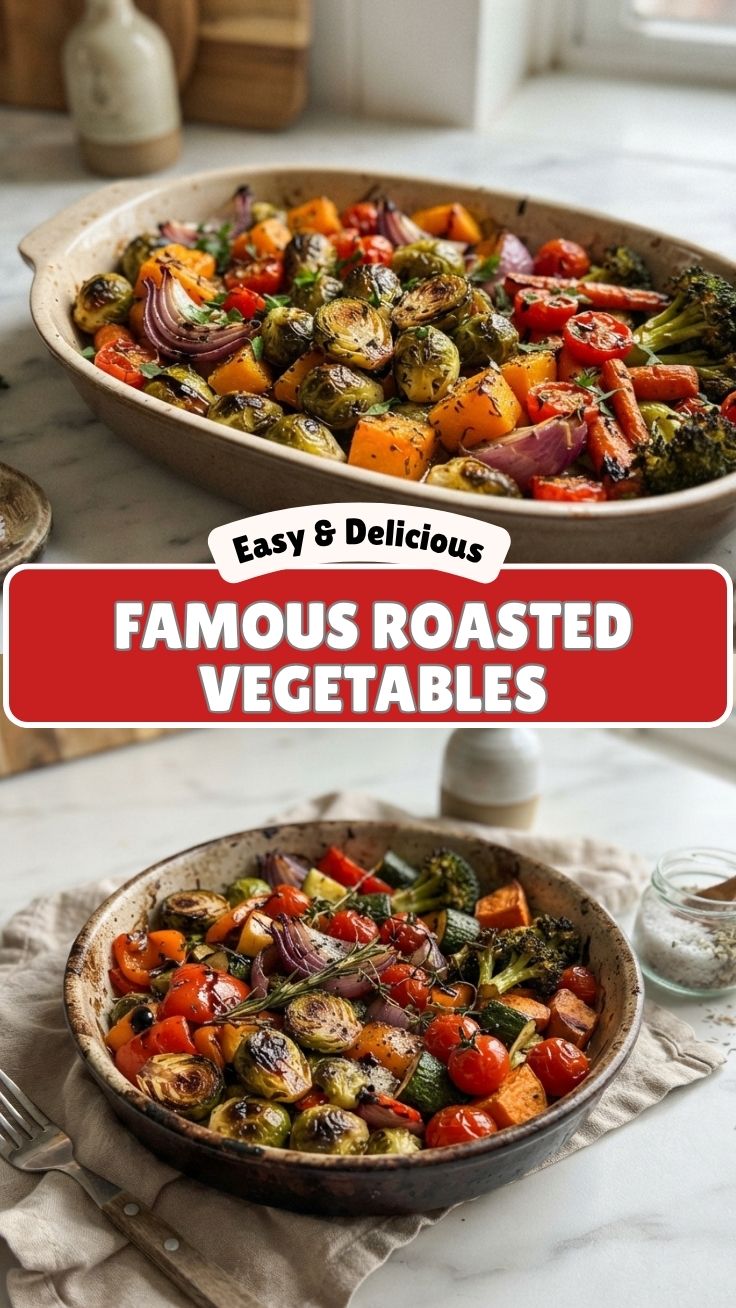
– Prep time: 15 minutes (washing, chopping, and tossing).
– Cook time: 25–35 minutes (depending on vegetable density and oven temperature).
– Resting time: 2–3 minutes after removing from oven (allows juices to settle).
Planning tip: Preheat your oven to 425°F (220°C) while you prep. For denser vegetables like carrots or potatoes, cut them smaller than softer items like peppers or zucchini to ensure everything finishes at the same time.
—
Step-by-Step Instructions
1. Preheat oven to 425°F (220°C). Line a baking sheet with parchment paper.
2. Wash and cut vegetables into uniform 1-inch pieces. Keep dense vegetables (carrots, potatoes) smaller than quick-cooking ones (zucchini, bell peppers).
3. Toss in a large bowl with olive oil, salt, pepper, and smashed garlic until evenly coated.
4. Spread in a single layer on the baking sheet – do not overcrowd. If vegetables are stacked, they will steam instead of roast.
5. Roast for 15 minutes, then flip with tongs. Return to oven for another 10–15 minutes until edges are caramelized and fork-tender.
6. For a perfect finish, let the vegetables rest on the pan for 2 minutes. Sprinkle with fresh herbs before serving.
Pro tip: If you want to turn these into a complete meal, use the same technique for Sheet Pan Vegetables – just add shrimp or chicken in the last 10 minutes of cooking. This method ensures your Sheet Pan Vegetables stay crisp while the protein cooks through. And remember, the success of any Roasted Vegetables recipe hinges on high heat and proper spacing.
—
Nutritional Benefits & Advantages
Roasted vegetables are a powerhouse of nutrition. The high-heat process preserves most vitamins (especially vitamin C and beta-carotene) while concentrating flavors without adding excess fat. Key benefits include:
– Fiber-rich: Supports digestive health and helps maintain steady blood sugar.
– Antioxidant boost: Carotenoids in carrots and bell peppers become more bioavailable after cooking.
– Low-calorie, high-volume: Perfect for weight management.
– Versatile for dietary needs: Naturally gluten-free, dairy-free, vegan, and paleo-friendly.
Compared to boiling or steaming, roasting enhances natural sweetness through caramelization, making even picky eaters crave their veggies.
—
Tips, Variations & Cooking Advice
Flavor Variations
– Balsamic glaze: Drizzle 1 tablespoon balsamic vinegar and a pinch of brown sugar in the last 5 minutes.
– Spicy kick: Add red pepper flakes or smoked paprika to the oil.
– Herb-infused: Toss with dried Italian seasoning or fresh dill after roasting.
Ingredient Swaps
– Swap olive oil for coconut oil (adds a subtle sweetness).
– Use red onions instead of yellow for a milder, sweeter roast.
– Add cherry tomatoes or mushrooms for an umami boost.
Alternative Cooking Methods
– Air fryer: Cook at 380°F (193°C) for 12–18 minutes, shaking halfway.
– Grill: Use a cast-iron skillet or foil packet over medium-high heat.
Dietary Adaptations
– Gluten-free: Naturally compliant; just double-check seasoning blends.
– Dairy-free: Omit any cheese additions; use nutritional yeast for a parmesan-like flavor.
– Low-carb: Focus on non-starchy veggies like broccoli, cauliflower, and bell peppers.
—
Common Mistakes to Avoid
| Mistake | Solution |
|———|———-|
| Overcrowding the pan | Use two pans if necessary – vegetables need space to brown. |
| Too low temperature | Never roast below 400°F (200°C); lower temps cause steaming. |
| Uneven cutting | Cut all pieces similar in size (about 1 inch) for even cooking. |
| Skipping the flip | Halfway flipping ensures both sides caramelize. |
| Using too much oil | Vegetables should glisten, not drip – excess oil makes them greasy. |
—
Storage & Meal Prep Tips
– Refrigeration: Store cooled roasted vegetables in an airtight container for up to 5 days.
– Freezing: Spread on a baking sheet and freeze until solid, then transfer to a zip-top bag. Use within 3 months.
– Reheating: For best texture, reheat in a 400°F oven for 5–7 minutes, or in an air fryer at 350°F (177°C) for 3–4 minutes. Avoid microwaving – it makes them soggy.
– Meal prep: Roast a large batch on Sunday, then use throughout the week in grain bowls, salads, wraps, or as a side.
—
Conclusion
Mastering Roasted Vegetables is one of the simplest yet most rewarding kitchen skills you can develop. The combination of high heat, generous oil, and proper spacing transforms humble produce into a dish that’s deeply flavorful, nutritious, and endlessly versatile. Whether you serve them as a side or build a complete meal around Sheet Pan Vegetables, this technique will become your go‑to for busy weeknights and special occasions alike. I encourage you to try this recipe tonight, experiment with your favorite seasonal vegetables, and share your results in the comments. For more inspiring one-pan meals, explore our collection of Sheet Pan Vegetables recipes and elevate your dinner routine.
—
FAQs
1. Can I use frozen vegetables?
Yes, but they release more water. Roast at 450°F (232°C) and skip thawing – cook 5–7 minutes longer, and expect less browning.
2. Why are my vegetables burning on the outside but raw inside?
Your oven temperature may be too high, or pieces are cut too large. Lower to 400°F (200°C) and ensure uniform 1-inch cuts.
3. How do I make them extra crispy?
Pat vegetables dry before tossing with oil. Do not use too much oil, and flip halfway. For extra crunch, add a light dusting of cornstarch.
4. What protein pairs best with roasted vegetables?
Chicken thighs, salmon, shrimp, or tofu all cook well alongside. Follow the Sheet Pan Vegetables method – add protein during the last 10–15 minutes of roasting.
5. Can I prep vegetables ahead of time?
Yes! Cut and toss with oil and seasonings up to 24 hours in advance. Store in a sealed container in the fridge, then spread on a pan and roast as directed.
Best way to grow perfect Roasted Vegetables 3 ways
Ingredients
Equipment
Method
- Preheat your oven to 400°F (200°C) and line a large baking sheet with parchment paper to prevent sticking.
- Wash and chop your chosen vegetables into uniform, bite-sized pieces to ensure even cooking.
- Toss vegetables with olive oil, salt, and pepper in a large bowl, ensuring they are evenly coated.
- Spread the seasoned vegetables in a single layer on the prepared baking sheet, avoiding overcrowding.
- Roast for 20-30 minutes, flipping halfway, until tender and slightly caramelized.
- Combine vegetables with olive oil, salt, pepper, fresh rosemary, fresh thyme, and garlic powder.
- Spread on a baking sheet and roast for 20-30 minutes, turning once, until golden and aromatic.
- Toss vegetables with olive oil, salt, and pepper, then roast for 15 minutes.
- In a small bowl, whisk together balsamic vinegar and honey/maple syrup.
- Remove vegetables from oven, drizzle with balsamic glaze, toss, and return to oven for another 10-15 minutes until caramelized.
- Toss vegetables with olive oil, salt, pepper, smoked paprika, cumin, and cayenne pepper.
- Spread on a baking sheet and roast for 20-30 minutes, flipping halfway, until tender and lightly charred.
- Serve roasted vegetables immediately as a side dish or incorporate them into your favorite meals.