Why Spring’s Best Dish Deserves a Spot on Your Table Tonight
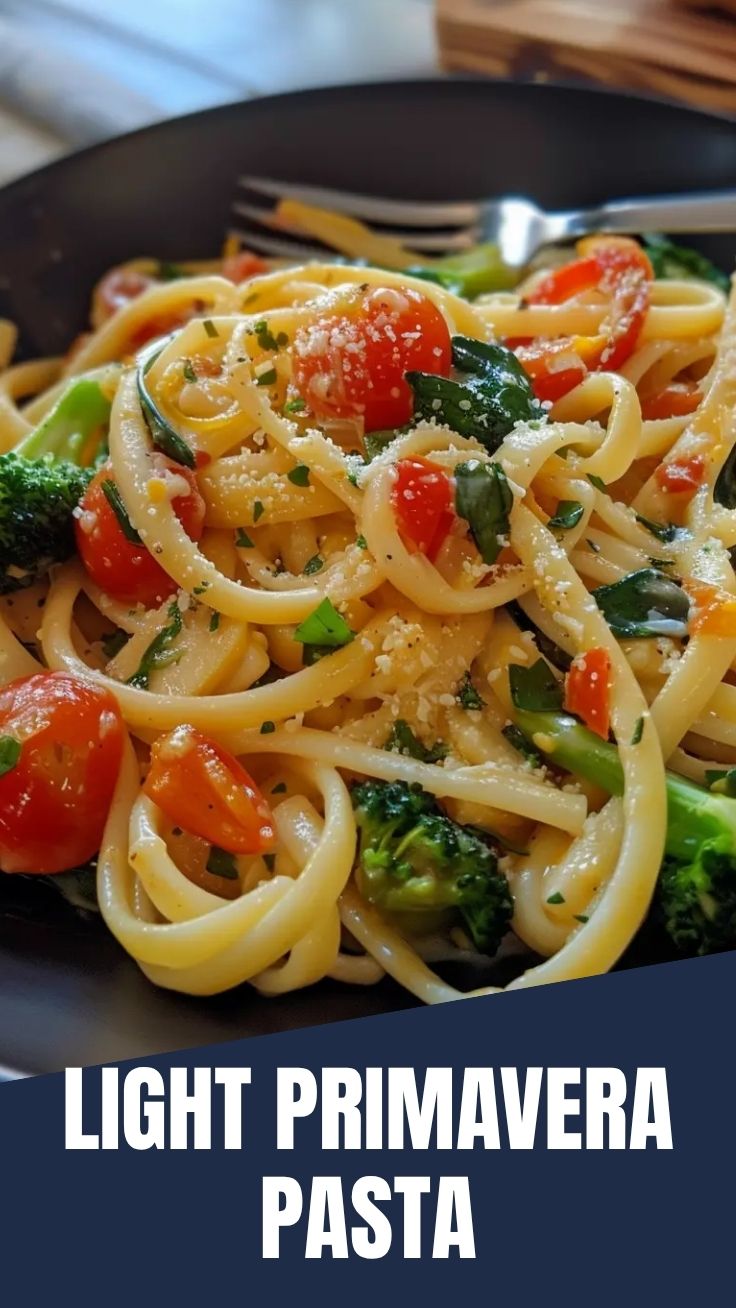
Have you ever wondered why restaurant versions of seasonal vegetable pasta taste so much brighter and more satisfying than your rushed weeknight attempts? The secret isn’t a fancy technique or hard-to-find ingredients—it’s understanding how to honor each vegetable’s natural texture while letting the pasta shine. When you prepare Pasta Primavera at home, you gain complete control over ingredient quality, seasonal freshness, and the balance of flavors that mass-produced versions simply can’t match. This isn’t just a recipe; it’s a celebration of spring’s bounty that transforms humble vegetables into a restaurant-worthy meal without the premium price tag. Let me walk you through the exact steps to achieve that perfect harmony between al dente pasta and crisp-tender vegetables.
—
Ingredients & Kitchen Tools
Produce (Choose the Freshest Available)
– 1 medium zucchini – halved lengthwise, then sliced into half-moons; adds subtle sweetness and tender texture
– 1 yellow squash – sliced similarly to zucchini for visual contrast and mild flavor
– 1 red bell pepper – seeded and julienned; provides natural sweetness and vibrant color
– 1 cup cherry tomatoes – halved; burst with acidity when sautéed
– 1 cup broccoli florets – small, uniform pieces ensure even cooking
– 3 cloves garlic – minced; the aromatic backbone of the dish
– 1/2 cup fresh basil leaves – torn just before serving; avoid chopping to prevent bruising
– 1/4 cup fresh parsley – finely chopped for garnish
Pantry Essentials
– 12 oz (340 g) fettuccine or penne – use bronze-die pasta for better sauce adherence
– 3 tbsp extra virgin olive oil – high-quality oil enhances vegetable flavors
– 1/2 cup vegetable broth – deglazes the pan and creates a light sauce
– Salt and black pepper – kosher salt recommended for seasoning pasta water and vegetables
– Red pepper flakes – optional, for gentle heat
Substitutions
– Gluten-free: Replace wheat pasta with lentil or chickpea pasta; reduce cooking time by 1–2 minutes
– Dairy version: Add 1/4 cup grated Parmesan and 2 tbsp butter at the end
– Protein boost: Toss in grilled chicken strips or sautéed shrimp during the last 2 minutes of cooking
Equipment Checklist
– Large stockpot (6–8 quarts) for boiling pasta
– 12-inch skillet or sauté pan (preferably stainless steel or cast iron)
– Sharp chef’s knife and cutting board
– Colander for draining, tongs for tossing
– Microplane or zester (optional, for lemon zest addition)
—
Prep Time & Cooking Schedule
– Total Time: 35 minutes
– Prep Time: 15 minutes (wash, chop, measure all ingredients)
– Cook Time: 20 minutes (overlapping pasta and vegetable cooking)
– Resting Time: 2 minutes (allow pasta and vegetables to marry before serving)
To streamline your workflow, start heating the pasta water while you prep vegetables. The water should reach a rolling boil just as you finish chopping—this eliminates downtime and ensures everything finishes simultaneously.
—
Step-by-Step Instructions
1. Bring generously salted water to a boil in the stockpot. Use 1 tablespoon of kosher salt per 4 quarts of water—the water should taste like the sea. Add pasta and cook according to package directions until al dente (firm to the bite). Reserve 1 cup of pasta cooking water before draining.
2. While pasta cooks, heat olive oil in the skillet over medium-high heat. Add broccoli florets first—they require the longest cooking time. Sauté for 2 minutes, stirring occasionally, until they turn bright green and develop slight char marks.
3. Add zucchini, yellow squash, and bell pepper to the skillet. Spread vegetables into a single layer and allow them to cook undisturbed for 1 minute. This promotes browning rather than steaming. Toss and continue cooking for another 2–3 minutes until vegetables are crisp-tender.
4. Stir in cherry tomatoes and minced garlic. Cook for 1 minute until tomatoes soften slightly and garlic becomes fragrant. Season with 1/2 teaspoon salt, 1/4 teaspoon black pepper, and optional red pepper flakes.
5. Deglaze the pan with vegetable broth, scraping up any browned bits from the bottom. Let the liquid reduce by half—about 2 minutes. The broth creates a light, flavorful sauce that coats the vegetables and pasta.
6. Add drained pasta directly to the skillet with the vegetables. Pour in 1/4 cup of reserved pasta water and toss everything together using tongs. The starchy water emulsifies with the broth and olive oil, creating a silky sauce without cream. If the mixture seems dry, add more pasta water 1 tablespoon at a time.
7. Remove from heat and fold in fresh basil (reserve some for garnish). Let the dish rest for 2 minutes—this allows the flavors to meld and the pasta to absorb the sauce. Taste and adjust seasoning before serving.
This Pasta Primavera comes together quickly, but the key is respecting each vegetable’s cooking time. Unlike a Primavera pasta recipe that dumps everything into one pot, this method ensures broccoli doesn’t become mushy while tomatoes burst at the perfect moment.
—
Nutritional Benefits & Advantages
This dish delivers impressive nutritional density for under 400 calories per serving (without cheese). The rainbow of vegetables provides a broad spectrum of phytonutrients: broccoli offers sulforaphane for cellular health, bell peppers supply more vitamin C than an orange, and cherry tomatoes contribute lycopene, a powerful antioxidant that becomes more bioavailable when cooked.
The olive oil serves a dual purpose—it adds heart-healthy monounsaturated fats that aid absorption of fat-soluble vitamins A, D, E, and K from the vegetables. The pasta provides complex carbohydrates for sustained energy, and the vegetable broth keeps the dish light while adding hydration and minerals.
For a gluten-free variation, chickpea pasta boosts fiber and protein content to 14g and 12g per serving respectively, making this suitable for blood sugar management and satiety.
—
Tips Variations & Cooking Advice
Flavor Twists
– Lemon-Garlic Primavera: Add 1 tablespoon lemon zest in step 4 and a squeeze of lemon juice before serving
– Herb-Infused: Replace basil with a combination of fresh oregano, tarragon, and chives
– Spicy Sicilian: Add 2 anchovy fillets (they melt into the oil) and 1/4 cup Kalamata olives in step 4
Technique Adjustments
– Roasting method: Toss vegetables with oil, salt, and pepper, then roast at 425°F (220°C) for 15–18 minutes before adding to cooked pasta
– One-pan shortcut: Cook pasta in 3 cups broth instead of water, then add vegetables in the last 5 minutes—this creates a starchier, more cohesive sauce
– Grill version: Char zucchini, bell pepper, and squash on a grill pan or outdoor grill before slicing and tossing with pasta
Dietary Adaptations
– Dairy-free: Already compliant as written; skip any cheese additions
– Low-carb: Replace pasta with spiralized zucchini or shirataki noodles; sauté vegetables separately and combine
– Oil-free: Water-sauté vegetables using vegetable broth, then toss with cooked pasta and fresh herbs
—
Common Mistakes to Avoid
– Overcooking vegetables: The single biggest error. Vegetables should retain a slight crunch—think fork-tender, not fork-melting. Cook each vegetable according to its density, adding hardier ones first.
– Undersalting pasta water: This is your only chance to season the pasta itself. Under-salted water yields bland noodles that no amount of final seasoning can fix.
– Skipping the pasta water: The starchy water is the secret to a silky sauce. Discarding it entirely means you miss the emulsification magic that ties the dish together.
– Adding garlic too early: Garlic burns quickly at high heat. Always add it in the last 60 seconds of vegetable cooking to avoid bitter, acrid flavors.
– Crowding the pan: Overfilling the skillet steams vegetables instead of sautéing them. Cook in batches if necessary, or use a larger pan for proper browning.
—
Storage & Meal Prep Tips
– Refrigeration: Store in an airtight container for up to 4 days. The vegetables will soften further, so consider undercooking them slightly if planning leftovers.
– Freezing: Not recommended for the complete dish—vegetables become waterlogged upon thawing. However, you can freeze the vegetable mixture alone (without pasta) for up to 3 months.
– Reheating: Refresh in a skillet over medium heat with 1–2 tablespoons of water or broth, tossing frequently for 3–4 minutes. Avoid microwaving, which unevenly heats and soggies the pasta.
– Meal prep strategy: Cook vegetables and pasta separately on Sunday. Store components in separate containers. When ready to eat, toss together in a hot pan with a splash of broth for 2 minutes—tastes freshly made.
—
Conclusion
Mastering this Pasta Primavera means you’ve unlocked a foundational spring dish that adapts to any vegetable you have on hand. The technique of staggered vegetable cooking, deglazing with broth, and finishing with starchy pasta water creates a restaurant-quality result that tastes vibrant and intentional. Remember that the best Primavera pasta recipe isn’t about strict rules—it’s about understanding how heat, salt, and timing transform simple ingredients into something greater than themselves. I encourage you to try this version tonight, then experiment with whatever looks freshest at the market. Share your results and tag variations—this dish thrives on creativity.
—
FAQs
Can I use frozen vegetables for this recipe?
Yes, but you must thaw and pat them completely dry first. Frozen vegetables release excess water that will steam rather than sauté. For best results, use fresh vegetables since primavera relies on crisp textures.
What if I don’t have vegetable broth?
Substitute with 1/2 cup of the reserved pasta water mixed with 1/2 teaspoon of onion powder and a pinch of dried thyme. Alternatively, use white wine (dry) for a more acidic, sophisticated flavor profile.
Why did my vegetables turn mushy?
Three likely causes: overcrowded pan (steam instead of sauté), cooking beyond crisp-tender stage, or adding vegetables that require different cooking times simultaneously. Always add denser vegetables like broccoli first, then softer ones like zucchini later.
Can I make this ahead for a dinner party?
Partially. Cook vegetables to just shy of done (they’ll finish when reheated). Cook pasta al dente, toss with a small amount of olive oil to prevent sticking, and refrigerate separately. Reheat together in a hot skillet with 1/4 cup broth just before serving.
How do I make this more filling without meat?
Add a can of drained and rinsed chickpeas in step 4, or toss in 1/2 cup toasted pine nuts and 1/4 cup nutritional yeast for a cheesy, protein-rich finish. White beans also work beautifully—their creamy texture complements the vegetables.
Best Way to Make a Perfect Pasta Primavera in 30 Minutes
Ingredients
Equipment
Method
- Cook pasta according to package directions, then drain and set aside.
- Prepare all vegetables by washing, chopping, and mincing as specified.
- Heat olive oil in a large skillet and sauté garlic until fragrant.
- Add broccoli and zucchini; cook until tender-crisp.
- Stir in cherry tomatoes and vegetable broth, simmering briefly.
- Combine cooked pasta with the vegetable mixture.
- Stir in grated Parmesan cheese and fresh basil until well combined.
- Serve immediately and enjoy your quick Pasta Primavera.