Unlock the Secret to a Restaurant-Quality New York Cheesecake at Home
Have you ever gazed longingly at a slice of perfectly creamy, impossibly rich New York Cheesecake in a bakery window, convinced it was a culinary feat only achievable by professional pâtissiers? While many perceive New York Cheesecake to be an intimidating dessert to tackle, the truth is, with the right guidance, you can absolutely master this classic in your own kitchen. Beyond the sheer satisfaction of creating something so delectable from scratch, homemade cheesecake offers unparalleled freshness, customizable flavors, and the undeniable charm of a dessert made with love. This comprehensive guide will not only demystify the process but also elevate your baking prowess, ensuring your homemade Cheesecake recipes are the stuff of legend.
Ingredients & Kitchen Tools
To embark on your cheesecake journey, gather these essentials. Each item plays a crucial role in achieving that signature creamy texture and tangy-sweet flavor profile.
- For the Crust:
* 1 ½ cups Graham Cracker Crumbs: Provides a classic, buttery, slightly sweet base. You can make these by blending whole graham crackers in a food processor.
* ¼ cup Granulated Sugar: Adds a touch of sweetness to the crust.
* ½ cup Unsalted Butter, melted: Binds the crumbs together, creating a firm and flavorful foundation.
- For the Filling:
* 3 (8-ounce) packages Cream Cheese, softened: Use full-fat brick-style cream cheese for the creamiest, richest texture. Softening at room temperature prevents lumps.
* 1 ½ cups Granulated Sugar: Sweetens the filling. Adjust to your preference.
* 1 Lemon, zested and juiced: Adds a bright, tangy counterpoint that cuts through the richness.
* 1 tablespoon Vanilla Extract: Enhances the overall flavor profile. Use good quality extract for best results.
* 2 tablespoons All-Purpose Flour: A small amount helps prevent cracking and ensures a smooth consistency.
* 2 large Eggs, plus 1 large Egg Yolk: Eggs provide structure and richness. The extra yolk adds to the custard-like texture.
* ½ cup Sour Cream, room temperature: Contributes to the signature tang and incredibly smooth texture. Ensure it’s at room temperature to avoid curdling.
- Kitchen Tools:
* 9-inch Springform Pan: Essential for easy removal of the cheesecake.
* Aluminum Foil (heavy-duty): To wrap the springform pan for a water bath, preventing leaks.
* Large Roasting Pan: For the water bath.
* Electric Mixer (stand or hand-held): For thoroughly combining ingredients and achieving a smooth batter.
* Rubber Spatula: For scraping bowls and folding ingredients gently.
* Measuring Cups and Spoons: For accurate ingredient quantities.
Prep Time & Cooking Schedule
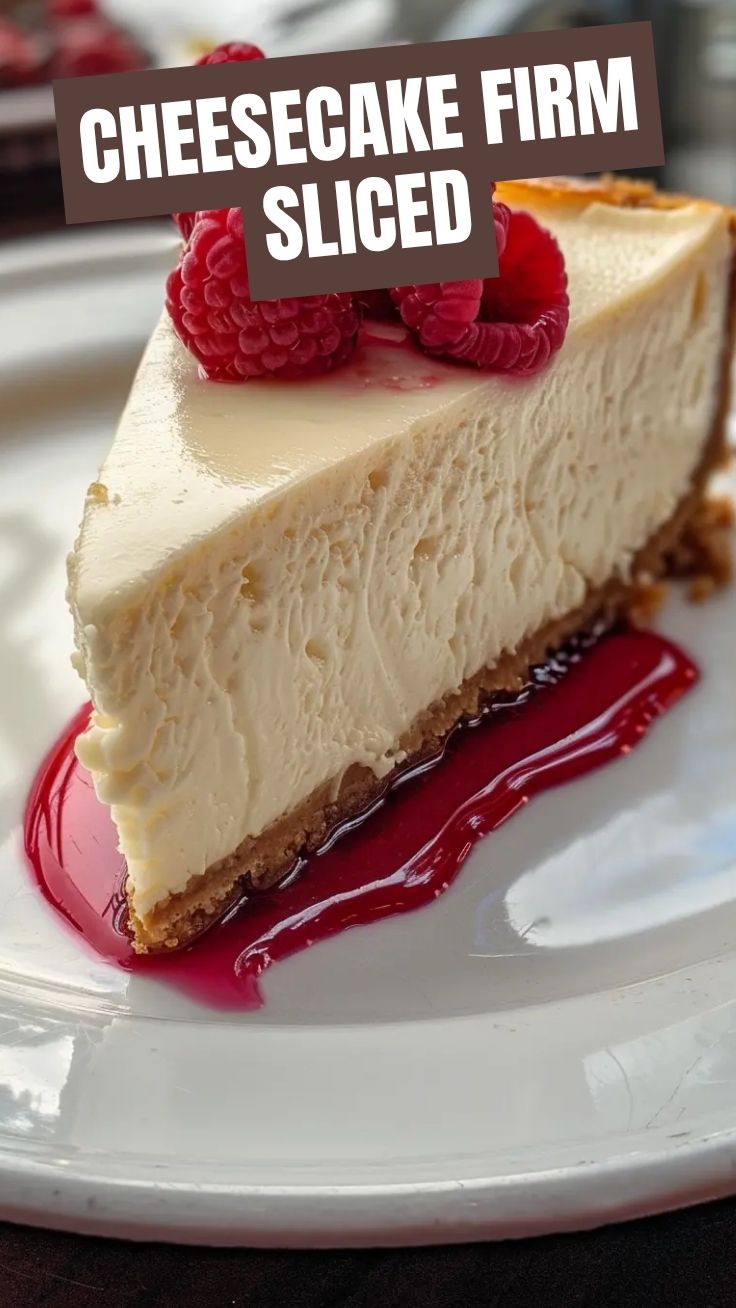
Patience is a virtue when it comes to cheesecake, and proper planning ensures a flawless result.
- Prep Time: 30 minutes
- Cook Time: 1 hour 15 minutes to 1 hour 30 minutes
- Cooling Time (in oven): 1 hour (with oven door ajar)
- Chilling Time (refrigerated): Minimum 6 hours, ideally overnight
Start preparation a day before you plan to serve. This allows ample chilling time, which is crucial for the cheesecake to set properly and develop its full flavor and rich texture. Remember to take your cream cheese, eggs, and sour cream out of the refrigerator at least 1-2 hours before you begin to bring them to room temperature.
Step-by-Step Instructions
Follow these detailed steps carefully for a smooth baking process and a truly exceptional New York Cheesecake. Achieving a perfect crust and a creamy, crack-free filling is all about mindful technique.
1. Prepare the Crust: Preheat your oven to 350°F (175°C). In a medium bowl, combine the graham cracker crumbs and granulated sugar. Pour in the melted butter and mix until all crumbs are moistened. Press the mixture firmly and evenly into the bottom of a 9-inch springform pan. You can use the bottom of a glass to help create a compact crust. Bake for 8-10 minutes until lightly golden. Remove from oven and let cool completely. Reduce oven temperature to 325°F (160°C).
2. Prepare the Water Bath: Wrap the outside of the cooled springform pan tightly with several layers of heavy-duty aluminum foil to prevent water from seeping in during the water bath.
3. Make the Filling: In a large mixing bowl, using an electric mixer on medium speed, beat the softened cream cheese until smooth and creamy, about 2-3 minutes. Gradually add the granulated sugar, beating until just combined, scraping down the sides of the bowl as needed. Beat in the lemon zest, lemon juice, vanilla extract, and flour until incorporated. Add the eggs one at a time, beating on low speed after each addition until just combined. Be careful not to overmix, as too much air can cause cracks. Stir in the sour cream until just blended. This meticulous approach to combining ingredients is key for incredible Cheesecake recipes.
4. Assemble and Bake: Pour the cream cheese filling over the cooled crust in the prepared springform pan. Place the springform pan inside a larger roasting pan. Carefully pour hot water into the roasting pan until it comes about halfway up the sides of the springform pan.
5. Bake: Bake for 1 hour 15 minutes to 1 hour 30 minutes, or until the edges are set but the center still jiggles slightly when gently shaken.
6. Cooling: Turn off the oven, crack the oven door open slightly, and leave the cheesecake inside for 1 hour. This slow cooling prevents drastic temperature changes that can lead to cracks.
7. Chill: Remove the cheesecake from the oven and the water bath. Carefully unwrap the foil. Let it cool completely on a wire rack at room temperature. Once cooled, cover loosely with plastic wrap and refrigerate for a minimum of 6 hours, preferably overnight, before serving.
Nutritional Benefits & Advantages
While often seen as an indulgent treat, a homemade New York Cheesecake offers advantages when prepared with quality ingredients. Dairy products like cream cheese and sour cream provide calcium, essential for bone health. Eggs contribute protein and choline, which support brain function. Making it at home allows for control over sugar content and ingredient quality, avoiding artificial flavors and preservatives often found in store-bought versions. Portion control is also easier when you’re the chef!
Tips, Variations & Cooking Advice
- Preventing Cracks: The water bath is your best friend. Also, ensuring ingredients are at room temperature and avoiding overmixing the batter (which incorporates too much air) are critical steps. Slow cooling in the oven helps too.
- Flavor Variations: For different Cheesecake recipes, experiment with different crusts (Oreo, ginger snap), or toppings such as fresh berries, chocolate ganache, caramel sauce, or fruit purees. Add a tablespoon of espresso powder to the filling for a coffee-flavored twist.
- Gluten-Free: Substitute gluten-free graham cracker crumbs for the crust.
- No Water Bath? While highly recommended, if you absolutely cannot use a water bath, place an oven-safe pan filled with hot water on the rack below the cheesecake to create a humid environment. Baking times may vary.
- Don’t Overbake: An overbaked cheesecake will be dry and more prone to cracking. Look for that gentle jiggle in the center.
Common Mistakes to Avoid
- Cold Ingredients: Using cold cream cheese, eggs, or sour cream will result in a lumpy batter and a less smooth cheesecake.
- Overmixing: Whipping too much air into the batter can lead to the cheesecake puffing up excessively and then dramatically sinking and cracking during cooling. Mix until just combined.
- Skipping the Water Bath: This is the most common reason for cracked cheesecakes. The steam from the water bath creates a moist baking environment, ensuring even cooking and preventing the surface from drying out and cracking.
- Improper Cooling: Rapid cooling from a hot oven directly to room temperature can shock the cheesecake and cause cracks. Follow the gradual cooling steps.
Storage & Meal Prep Tips
Your magnificent New York Cheesecake stores beautifully, making it an excellent dessert for meal prepping or serving over several days.
- Refrigeration: Store any leftover cheesecake in an airtight container or covered tightly with plastic wrap in the refrigerator for up to 5-7 days.
- Freezing: For longer storage, freeze individual slices (or the entire cheesecake, unfrosted) tightly wrapped in plastic wrap and then in aluminum foil. It can be frozen for up to 1-2 months. Thaw overnight in the refrigerator before serving.
- Reheating: Cheesecake is best served chilled. No reheating is required!
Conclusion
Mastering the homemade New York Cheesecake is a rewarding experience that elevates your baking skills and delights anyone lucky enough to share a slice. By following these detailed instructions and understanding the science behind the process, you can achieve that sought-after creamy texture and tangy sweetness every single time. So, gather your ingredients, embrace the process, and prepare to impress with one of the most iconic and delicious Cheesecake recipes in the culinary world. We encourage you to try this recipe, share your baking successes in the comments below, and explore the endless possibilities of homemade dessert creation!
FAQs
- Q: Why did my cheesecake crack?
* A: Common culprits include overmixing the batter, overbaking, or cooling too quickly. Ensuring ingredients are at room temperature and using a water bath are key preventive measures.
- Q: Can I use low-fat cream cheese?
* A: While possible, it’s not recommended for a true New York-style cheesecake. Full-fat cream cheese provides the characteristic richness and creamy texture that makes this recipe shine.
- Q: How do I know when the cheesecake is done?
* A: The edges should be set, but the center (about 2-3 inches in diameter) should still have a slight jiggle. It will continue to set as it cools.
- Q: Can I prepare the crust ahead of time?
* A: Yes, you can bake the crust and let it cool completely, then cover it and store at room temperature for up to a day before adding the filling.
- Q: What if I don’t have a springform pan?
* A: While ideal, you could technically bake it in a regular round cake pan lined with parchment paper, allowing the paper to overhang on the sides to create “handles” for lifting it out. However, a springform pan is highly recommended for ease and presentation.
New York Cheesecake
Ingredients
Equipment
Method
- Preheat the oven to 350°F (175°C) and wrap the bottom of a 9-inch springform pan with aluminum foil.
- Combine graham cracker crumbs, sugar, and melted butter, then press the mixture evenly into the bottom of the prepared pan and bake for 8-10 minutes.
- In a large bowl, beat softened cream cheese until smooth, then gradually add sugar and flour, mixing until well combined.
- Stir in sour cream, heavy cream, and vanilla extract until just incorporated, being careful not to overmix.
- Add eggs one at a time, mixing on low speed after each addition until just combined.
- Pour the filling over the crust in the springform pan, and place the pan in a larger roasting pan.
- Fill the roasting pan with hot water halfway up the sides of the springform pan to create a water bath.
- Bake for 1 hour to 1 hour 30 minutes, or until the edges are set and the center jiggles slightly.
- Turn off the oven, prop the door open slightly, and let the cheesecake cool gradually in the oven for 1 hour.
- Remove from the oven, let it cool completely on a wire rack, then cover and refrigerate for at least 4 hours or overnight before serving.