The Ultimate Guide to Making Silky Smooth Hollandaise Sauce at Home
Have you ever wondered why restaurant-quality eggs Benedict tastes so divine, yet attempts to replicate that velvety Hollandaise Sauce at home often end in scrambled eggs and frustration? The secret isn’t culinary school—it’s understanding the emulsion science behind this classic French mother sauce. Preparing Hollandaise sauce from scratch not only saves money but gives you complete control over freshness, flavor, and texture. This comprehensive guide will walk you through every technique, from tempering yolks to recognizing the perfect ribbon stage, ensuring your homemade sauce rivals any five-star brunch spot.
Ingredients & Kitchen Tools
Before diving in, gather these essentials:
Core Ingredients:
– 3 large egg yolks (room temperature—crucial for emulsion stability)
– 1 tablespoon fresh lemon juice (adds brightness and stabilizes the sauce)
– 1 tablespoon cold water (helps prevent curdling)
– ½ cup (1 stick) unsalted butter, melted and hot but not boiling
– Pinch of cayenne pepper (optional, for gentle heat)
– Salt to taste (preferably fine sea salt)
Kitchen Tools:
– Double boiler or heatproof bowl over simmering water
– Whisk (balloon whisk works best for aeration)
– Small saucepan for melting butter
– Instant-read thermometer (optional but recommended)
– Fine-mesh strainer (for straining if needed)
Optional Substitutions:
– Apple cider vinegar can replace lemon juice for a different tang
– Ghee works for lactose-sensitive individuals
– Avocado oil can replace butter for a dairy-free version (though texture differs)
Prep Time & Cooking Schedule
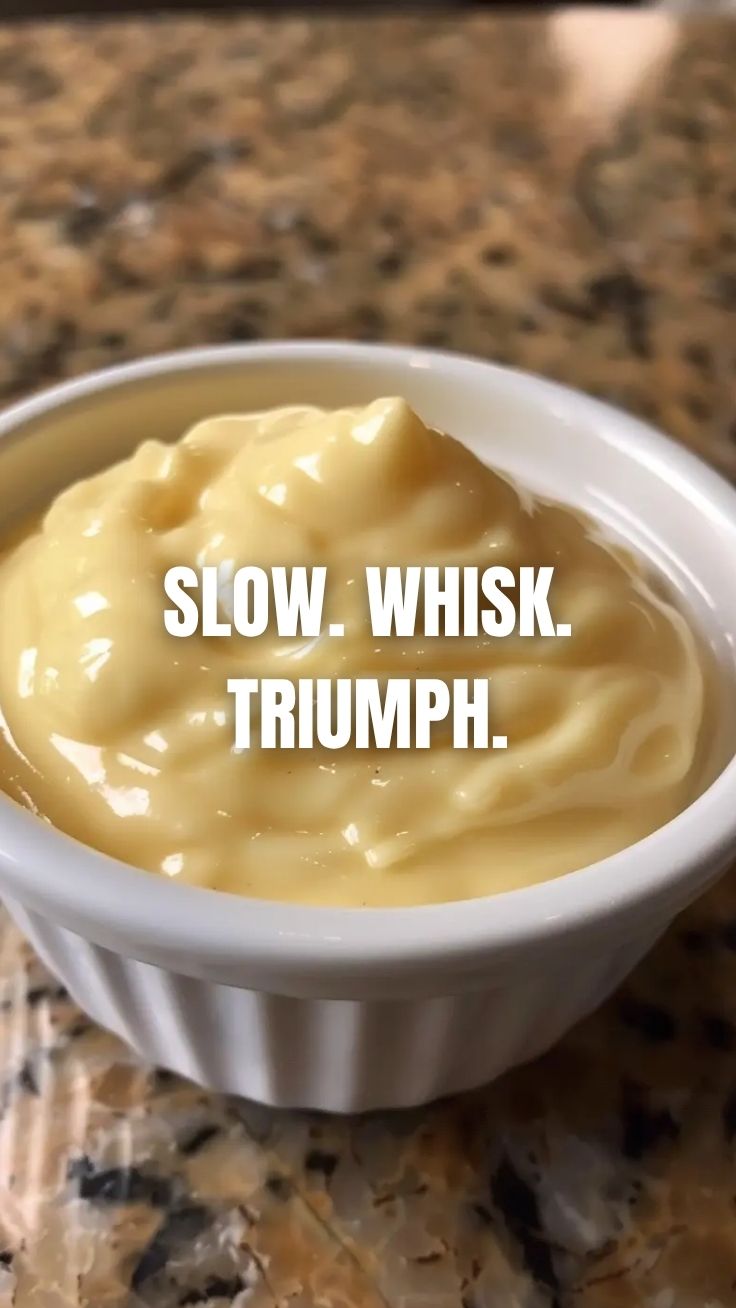
Understanding timing prevents common failures:
– Prep time: 5 minutes (separating eggs, cubing butter, juicing lemon)
– Active cooking time: 8–10 minutes (slow whisking over gentle heat)
– Total time: 15 minutes
– Resting time: Serve immediately—Hollandaise waits for no one!
Plan this sauce as the final component of your brunch. While your eggs poach and English muffins toast, prepare the sauce. It holds well for about 30 minutes if kept in a warm water bath (not over direct heat).
Step-by-Step Instructions
Follow these precise steps for foolproof results:
1. Prepare your workstation. Melt butter in a small saucepan until hot but not boiling (aim for 180°F/82°C). Keep it warm but not bubbling.
2. Create the base. In the double boiler top, whisk egg yolks, lemon juice, and cold water together until combined. The water prevents the yolks from cooking too quickly.
3. Heat gently. Place the bowl over simmering water (not boiling—the bowl should not touch the water). Whisk constantly in a figure-eight motion. You’ll feel the mixture thicken and see it lighten in color. This takes about 2–3 minutes. When the whisk leaves a trail for 2 seconds, you’ve reached the “ribbon stage.”
4. Emulsify carefully. Remove from heat. Begin adding the hot butter drop by drop while whisking vigorously. After about 2 tablespoons are incorporated, you can add butter in a thin, steady stream. Continue whisking until all butter is absorbed and the sauce is thick, glossy, and coats the back of a spoon.
5. Season and finish. Whisk in cayenne and salt to taste. If the sauce is too thick, whisk in a few drops of warm water. If it breaks, rescue it by whisking a new yolk in a clean bowl, then gradually whisk in the broken sauce.
Temperature control is everything. If the sauce gets too hot (above 145°F/63°C), the yolks scramble. Too cold, and the butter solidifies. You’re creating an emulsion where water droplets hold fat in suspension—this delicate balance makes Hollandaise sauce one of the most rewarding culinary challenges. For a foolproof version, try the rapid blender method if you’re short on time, but nothing beats the texture of properly whisked Hollandaise.
Nutritional Benefits & Advantages
Despite its indulgent reputation, Hollandaise offers surprising benefits when made with quality ingredients:
– Egg yolks provide choline (brain health), vitamin D, and lutein (eye health)
– Butter contains butyrate (gut-healthy short-chain fatty acid) and fat-soluble vitamins A, E, K2
– Lemon juice adds vitamin C and aids digestion
– Moderate portions (2 tablespoons per serving) fit into balanced diets
This sauce is naturally gluten-free and low-carb (keto-friendly). The high-quality fats promote satiety, meaning you’ll likely eat less overall. Compared to processed hollandaise mixes, homemade versions have no preservatives, artificial flavors, or hydrogenated oils.
Tips Variations & Cooking Advice
Flavor Variations:
– Smoked paprika hollandaise: Add ½ teaspoon smoked paprika for a Spanish twist
– Tarragon hollandaise (Béarnaise base): Steep fresh tarragon in vinegar before reducing
– Wasabi hollandaise: Stir in 1 teaspoon wasabi paste for sushi-inspired dishes
– Citrus blend: Use half lemon, half lime juice for tropical freshness
Ingredient Swaps:
– Replace water with white wine reduction for complexity
– Use duck eggs for richer texture
– Substitute ghee for clarified butter to reduce splattering
Alternative Methods:
– Immersion blender method: Add all ingredients except butter to a tall container. Blend, then slowly drizzle in hot butter. Faster but less control.
– Standing mixer method: Whisk yolks on medium speed while drizzling butter. Easier but requires practice to avoid over-whipping.
Dietary Adaptations:
– Dairy-free: Use ghee (lactose-free) or avocado oil (though oil creates thinner sauce)
– Egg-free: Not possible for traditional Hollandaise; consider silken tofu option for vegan “hollandaise”
– Low-sodium: Salt with potassium chloride or omit entirely
Common Mistakes to Avoid
1. Overheating the yolks. Solution: Keep water barely simmering, and remove the bowl from heat immediately when yolks thicken. If you see tiny scrambled bits, strain immediately through a fine-mesh sieve.
2. Adding butter too quickly. Solution: The first 2 tablespoons must be added drop by drop. Think of it like making mayonnaise—slow and steady wins the race. If sauce breaks mid-way, stop adding butter, whisk in a teaspoon of cold water, then resume slowly.
3. Using cold eggs. Solution: Room temperature yolks emulsify better. Separate eggs 30 minutes before cooking, or place whole eggs in warm water for 5 minutes.
4. Cooking over direct heat. Solution: Always use a double boiler or heat-proof bowl over water. Direct heat scrambles yolks instantly.
5. Neglecting to whisk constantly. Solution: Whisking prevents hot spots and ensures even thickening. Set a timer and don’t stop until the sauce is complete.
Storage & Meal Prep Tips
Hollandaise is best fresh, but with proper technique you can extend its life:
Refrigeration:
– Store in an airtight container for up to 3 days
– Press plastic wrap directly onto the surface to prevent skin formation
– Expect slight thickening; thin with warm water when reheating
Reheating:
– Double boiler method: Gently warm over simmering water, whisking constantly
– Microwave method: Use 50% power in 10-second bursts, whisking between each
– Never boil—this will break the emulsion instantly
Freezing:
– NOT recommended—texture becomes grainy and separates upon thawing
– If necessary, freeze in ice cube trays, then thaw in refrigerator overnight and re-emulsify with a teaspoon of lemon juice
Meal Prep Strategy:
– Prepare clarified butter in advance (lasts weeks in fridge)
– Portion egg yolks into separate containers (frozen yolks keep 3 months)
– Sauce is best served within 15 minutes of completion
Conclusion
Mastering this classic French mother sauce transforms your home cooking from ordinary to extraordinary. The silky, buttery richness of Hollandaise sauce elevates everything from simple poached eggs to grilled vegetables and roasted fish. While the technique requires patience and attention, the reward is a restaurant-quality sauce that costs pennies compared to dining out. Remember: temperature control, slow butter addition, and constant whisking are your three pillars for success. Whether you’re perfecting this Hollandaise sauce recipe for Sunday brunch or impressing dinner guests, the satisfaction of creating this emulsion from scratch is unmatched. Have you tried this recipe? Share your results in the comments below, or tag us in your brunch photos!
FAQs
Q: Can I make Hollandaise without a double boiler?
A: Absolutely! Use a heatproof glass bowl over a saucepan of simmering water—just ensure the bowl doesn’t touch the water. Alternatively, use an immersion blender directly in a heatproof container.
Q: Why did my Hollandaise sauce turn out thin?
A: Either the egg yolks weren’t cooked enough before adding butter, or too much water was present. Re-emulsify by whisking in an extra egg yolk in a clean bowl, then slowly whisk in the thin sauce.
Q: Can I use salted butter instead of unsalted?
A: Yes, but adjust the added salt accordingly. Reduce to ¼ teaspoon and taste before adding more. Salted butter also has more water content, which can slightly thin the sauce.
Q: How do I fix broken Hollandaise sauce?
A: Whisk a new egg yolk in a clean bowl with 1 tablespoon warm water. Slowly drizzle in the broken sauce while whisking vigorously—it should re-emulsify instantly.
Q: Is Hollandaise sauce keto-friendly?
A: Yes! With nearly zero carbs and high healthy fats, it’s perfect for ketogenic diets. One serving (2 tablespoons) has approximately 0g net carbs, 15g fat, and 2g protein.
Proven way to grow Hollandaise Sauce in 5 Steps
Ingredients
Equipment
Method
- Whisk egg yolks, lemon juice, Dijon mustard, salt, and cayenne pepper in a heatproof bowl until light and foamy.
- Place the bowl over a saucepan with simmering water, ensuring it does not touch the water, and continue whisking constantly as the mixture thickens.
- Slowly drizzle in the warm melted butter, continuing to whisk vigorously until the sauce is thick and emulsified.
- Remove the bowl from heat and taste, adjusting seasoning with more salt or lemon juice if needed.
- Serve immediately with your favorite dishes or keep warm in a thermos for up to 30 minutes.