Smoky & Satisfying: Why These high protein BBQ recipes healthy Will Change Your Grill Game
Are you tired of dry, flavorless chicken breasts and boring burgers that leave you hungry an hour later? Imagine pulling perfectly charred, juicy beef brisket off the grill—tender enough to shred with a fork, packed with protein, and slathered in a smoky, sugar-free sauce that doesn’t sabotage your macros. The secret? Mastering high protein BBQ recipes healthy that prove you can have indulgent barbecue flavors without the guilt. Preparing these dishes at home saves money, controls sodium, and lets you customize every spice. Whether you’re meal-prepping for the week or hosting a weekend cookout, these techniques turn a simple grill into a nutritional powerhouse. Let’s fire things up.
—
Ingredients & Kitchen Tools
Ingredients (Serves 4)
– 2 lbs beef brisket (trimmed, flat cut) – High in iron and collagen; choose grass-fed for more omega-3s.
– 1/4 cup smoked paprika – Adds deep color and antioxidants.
– 2 tbsp garlic powder – Boosts immunity and flavor.
– 1 tbsp black pepper – Freshly ground for heat.
– 1 tsp cayenne – Optional; adjust for spice tolerance.
– 1/2 cup unsweetened apple cider vinegar – Tenderizes meat naturally.
– 1/4 cup Worcestershire sauce – Anchovy-based umami.
– 2 tbsp liquid smoke (optional) – For extra charred aroma.
– 1 tbsp erythritol or monk fruit sweetener – Zero‑calorie caramelization.
– Salt to taste – Use kosher for even seasoning.
Kitchen Tools
– Smoker or charcoal grill (with indirect heat setup)
– Meat thermometer – Instant-read is best.
– Aluminum foil (for wrapping during rest)
– Spray bottle (for apple cider vinegar mist)
– Sharp knife and cutting board
– Basting brush
Substitutions
– Brisket → boneless pork shoulder (similar protein, lower price).
– Apple cider vinegar → white vinegar + dash of honey (if not keto).
– Worcestershire → gluten-free tamari (for GF version).
—
Prep Time & Cooking Schedule
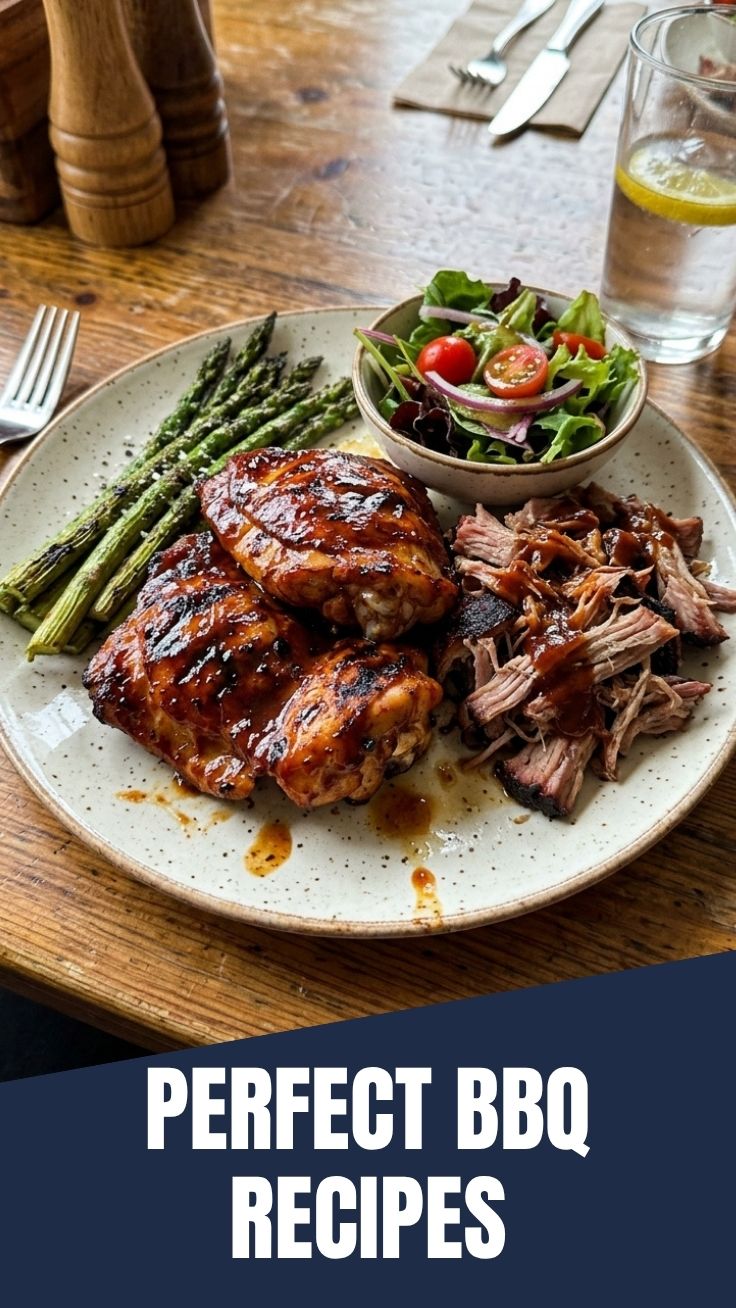
– Prep time: 15 minutes (trim, season, let rest at room temp 20 min).
– Smoking time: 4–5 hours at 225°F (low and slow).
– Rest time: 30 minutes wrapped in foil.
– Total time: ~5.5 hours.
> Tip: Start early in the morning. The long, low cook breaks tough connective tissue into gelatin, keeping the meat moist without added fats.
—
Step-by-Step Instructions
1. Trim the brisket. Remove excess fat cap to about 1/4 inch thickness—enough to baste but not greasy.
2. Make the dry rub. Mix smoked paprika, garlic powder, black pepper, cayenne, sweetener, and salt. Coat brisket evenly on all sides.
3. Prepare the smoker. Set your grill for indirect heat at 225°F (use charcoal with wood chunks like hickory or mesquite).
4. Place brisket fat side up on the grate. Insert thermometer into thickest part.
5. Spritz every 45 minutes with a blend of apple cider vinegar and water (3:1 ratio) to keep the bark from drying.
6. Wrap in foil when internal temp reaches 165°F (after ~3 hours). Add 2 tbsp Worcestershire and a splash of liquid smoke (if using) before sealing.
7. Continue cooking until internal temp hits 205°F—probe should slide in like butter. This is where collagen melts into healthy high protein grill recipes that melt in your mouth.
8. Rest wrapped in foil in a cooler for 30 minutes (undisturbed). Slice against the grain.
> Texture cue: The bark should be dark mahogany, not burnt. Spritzing prevents charring while building a crust.
—
Nutritional Benefits & Advantages
One 4-ounce serving of this smoked brisket delivers approximately:
– Protein: 28g – essential for muscle repair and satiety.
– Fat: 12g (mostly monounsaturated from grass-fed beef).
– Carbs: 2g (from natural sugars in rub/sprays).
– Iron: 15% DV – combats fatigue.
– Zinc: 20% DV – supports immune function.
Because we skip sugary sauces and commercial marinades, this dish is naturally keto, paleo, and low‑carb friendly. The slow smoking method also reduces advanced glycation end products (AGEs) compared to direct high-heat grilling, making it a healthier choice for inflammation management.
—
Tips, Variations & Cooking Advice
– Flavor swap: Replace brisket with boneless, skinless chicken thighs (still high protein). Reduce smoking time to 2 hours at 250°F.
– Spicy kick: Add 1 tsp chipotle powder and 1/2 tsp cumin to the rub.
– Gluten‑free version: Use tamari instead of Worcestershire; confirm liquid smoke is GF.
– Dairy‑free: Already dairy‑free. Skip butter basting (not needed here).
– Portion change: Double the recipe for meal prep. Smoked brisket freezes beautifully (see Storage below).
—
Common Mistakes to Avoid
– Skipping the rest: Cutting too soon releases juices. Always wait 30 minutes.
– Opening the smoker too often: Every peek releases heat and extends cook time. Use a wireless thermometer.
– Over-seasoning with salt: The rub can be heavy; taste after smoking and adjust with finishing salt.
– Using lean cuts: Brisket needs fat for moisture. If using sirloin, marinate in yogurt or vinegar overnight.
—
Storage & Meal Prep Tips
– Refrigerate: Wrap leftover brisket tightly in foil or parchment, then place in an airtight container. Use within 4 days.
– Freeze: Slice or shred, pack in vacuum-sealed bags (remove air). Keeps 3 months. Thaw overnight in fridge.
– Reheat (best method): Place in a 300°F oven with a splash of apple cider vinegar and cover with foil for 10–15 minutes. Avoid microwaving—it toughens the protein.
– Meal prep idea: Portion 4 oz slices with roasted broccoli and quinoa for balanced lunches.
—
Conclusion
Smoked brisket doesn’t have to be a cheat day indulgence. By focusing on wood‑fired flavor, smart seasoning, and lean beef, you unlock high protein BBQ recipes healthy that fit your macros without sacrificing taste. Whether you’re a weekend pitmaster or a busy parent, these techniques deliver consistently juicy, fall‑apart results. Once you master this baseline, you’ll see how many healthy high protein grill recipes can emerge—from smoked turkey breast to brisket tacos using leftovers. Fire up your smoker this weekend and taste the difference real protein can make. Share your results in the comments—I’d love to see your bark!
—
FAQs
1. Can I use a gas grill instead of charcoal?
Yes. Set one side to low (225°F), place wood chips in a smoker box, and cook on the other side. You’ll need to replenish chips every hour.
2. How do I know when brisket is done without a thermometer?
The “probe test”: a skewer should slide into the thickest part with no resistance. Temperature is more reliable—aim for 205°F.
3. My bark turned out bitter – what went wrong?
Bitter bark usually means too much direct heat or burned sugar. Use erythritol (won’t caramelize as heavily) and keep smoker under 250°F.
4. Can I make this in an oven?
Yes, but you lose smoke flavor. Bake at 275°F for 4 hours covered with foil, then uncover and broil 2 minutes. Add liquid smoke to the rub.
5. How do I make it less spicy?
Omit cayenne and reduce black pepper. The paprika provides color without heat. Sweetener helps balance any residual spice.
High Protein BBQ Dish
Ingredients
Equipment
Method
- Pat the chicken breasts dry with paper towels and place them in a bowl.
- Drizzle with olive oil, then season with salt, black pepper, garlic powder, and smoked paprika, ensuring all sides are coated.
- Preheat your grill to a medium-high heat (around 400°F or 200°C).
- Place the seasoned chicken breasts on the hot grill and cook for 6-8 minutes per side, or until internal temperature reaches 165°F (74°C).
- During the last 5 minutes of cooking, baste the chicken generously with the sugar-free BBQ sauce.
- Remove the chicken from the grill and let it rest for 5 minutes before slicing or serving whole.
- Serve hot with your favorite healthy sides like a fresh salad or roasted vegetables.