Why This Classic Chinese Dish Deserves a Spot in Your Weekly Meal Plan
Have you ever ordered a takeout container of Beef and Broccoli only to find the beef tough and the sauce overwhelmingly salty? Preparing this iconic dish at home isn’t just about saving money—it’s about controlling quality, tailoring flavors to your preference, and mastering a technique that elevates your entire cooking repertoire. This recipe delivers restaurant-quality results with tender slices of beef enveloped in a velvety, savory sauce that clings to every floret of bright green broccoli. Whether you’re a weeknight cook looking for speed or a meal-prep enthusiast seeking flavor-packed lunches, this version of Beef and Broccoli fits seamlessly into your schedule. As you explore Stir Fry Recipes, you’ll notice this particular combination of tender protein and crisp vegetable represents the perfect balance of texture and umami.
Ingredients & Kitchen Tools
For the Beef and Marinade
– Flank steak or sirloin (12 oz) – Slice thinly against the grain for tenderness. Sirloin is more budget-friendly; flank steak offers superior chew.
– Soy sauce (2 tbsp) – Use low-sodium to control saltiness.
– Cornstarch (1 tbsp) – Creates a velvety coating that seals in moisture.
– Rice wine or dry sherry (1 tbsp) – Adds depth and tenderizes.
– Baking soda (½ tsp) – The secret to ultra-tender beef in Chinese restaurants. Optional but recommended.
For the Sauce
– Beef broth (½ cup) – Low-sodium preferred.
– Oyster sauce (3 tbsp) – Provides signature savory richness. Substitute hoisin sauce for a slightly sweeter profile.
– Dark soy sauce (1 tbsp) – Adds color and a deeper soy flavor. Regular soy sauce works but yields a lighter sauce.
– Brown sugar (1 tbsp) – Balances saltiness. Honey or maple syrup work as substitutes.
– Sesame oil (1 tsp) – Finish with this for aroma.
– Cornstarch (1 tbsp mixed with 2 tbsp water) – For thickening the sauce.
Vegetables & Aromatics
– Fresh broccoli (2 cups florets) – Use crowns for uniform pieces.
– Garlic (4 cloves, minced)
– Fresh ginger (1-inch piece, sliced or minced)
– Neutral oil (2 tbsp) – Grapeseed or avocado oil for high-heat cooking.
Kitchen Tools
– Wok or large skillet – Carbon steel wok is ideal for high heat; a non-stick skillet works for beginners.
– Sharp knife – For thin, even slices of beef and uniform broccoli florets.
– Mixing bowls – For marinade and sauce.
– Tongs – Essential for flipping beef without piercing the meat.
– Spatula – Wooden or metal for stirring.
Prep Time & Cooking Schedule
– Active prep time: 15 minutes
– Marinating time: 15–30 minutes (15 minutes minimum; 30 minutes for deeper flavor)
– Cook time: 10 minutes
– Total time: 40–50 minutes
The short marinating window makes this an ideal weeknight dish. While the beef sits, you can wash and cut broccoli, mince garlic, and mix the sauce. The small baking soda addition during marination is your shortcut to restaurant-style tenderness—just don’t exceed 30 minutes, or the meat can become mushy.
Step-by-Step Instructions
1. Prepare the beef: Place the flank steak in the freezer for 15 minutes to firm slightly—this makes thin slicing easier. Slice across the grain into ¼-inch strips. In a mixing bowl, combine beef strips with soy sauce, cornstarch, rice wine, and baking soda. Toss to coat evenly, then let marinate at room temperature for at least 15 minutes.
2. Blanch the broccoli: Bring a pot of water to a rolling boil. Add broccoli florets and cook for 60 seconds. Drain immediately and plunge into a bowl of ice water to stop the cooking and preserve the bright green color. Drain again and set aside.
3. Prepare the sauce: In a small bowl, whisk together beef broth, oyster sauce, dark soy sauce, brown sugar, and the cornstarch-water mixture. Set aside.
4. Sear the beef: Heat your wok over high heat until a drop of water sizzles instantly. Add 1 tablespoon of neutral oil and swirl. Add beef strips in a single layer (work in batches if necessary—overcrowding leads to steaming, not searing). Sear for 60–90 seconds per side until browned but not fully cooked through. Transfer to a plate.
5. Cook aromatics and combine: Reduce heat to medium-high and add remaining 1 tablespoon oil. Add garlic and ginger, stirring constantly for 30 seconds until fragrant. Pour in the sauce mixture and bring to a simmer, stirring continuously until it thickens—about 1 minute.
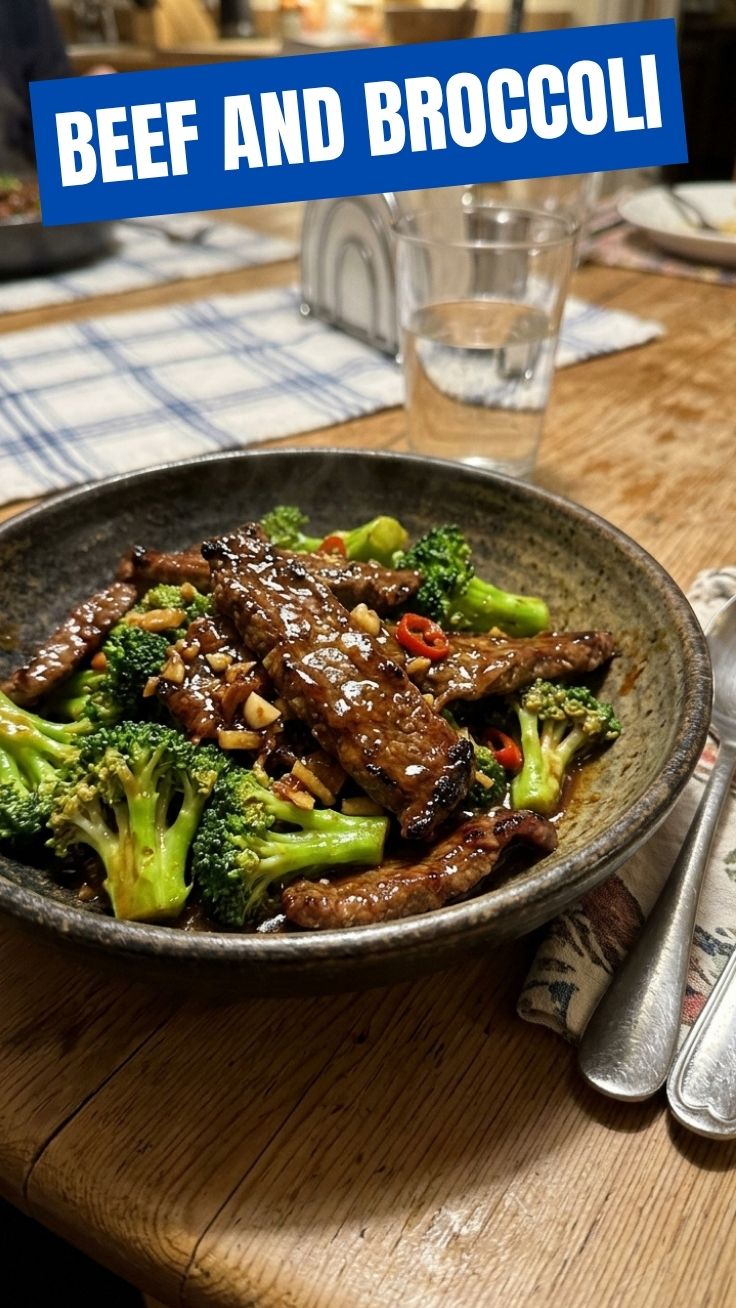
6. Finish the dish: Return beef and any accumulated juices to the wok along with the blanched broccoli. Toss everything together over high heat for 1–2 minutes until the sauce glazes the beef and broccoli evenly. Remove from heat, finish with sesame oil, and serve immediately over steamed rice.
Temperature control tip: Always cook Beef and Broccoli over high heat for a proper sear. Low heat extracts moisture from the beef, making it tough. For extra-crisp broccoli, skip the blanch and stir-fry the florets directly after searing the beef—add 2 tablespoons of water and cover for 30 seconds to steam-cook. This technique is common in authentic Stir Fry Recipes and ensures each component retains its ideal texture.
Nutritional Benefits & Advantages
This dish delivers a well-rounded nutritional profile. Beef provides high-quality protein (about 25 grams per serving) and essential iron, zinc, and B vitamins—critical for energy metabolism and immune function. Broccoli contributes nearly 100% of your daily vitamin C needs per cup, along with fiber, vitamin K, and sulforaphane, a compound linked to reduced inflammation and cancer-protective effects. Using low-sodium soy sauce and controlling the oil keeps the dish heart-friendly. Each serving of Beef and Broccoli contains roughly 350–400 calories, 25g protein, 15g fat, and 15g carbohydrates, making it suitable for balanced diets and low-carb or keto adaptations.
Tips, Variations & Cooking Advice
Flavor variations:
– Spicy Sichuan version – Add 1 tablespoon of doubanjiang (fermented chili bean paste) and 1 teaspoon of Sichuan peppercorns with the garlic.
– Garlic-lover’s twist – Double the garlic and add 2 minced shallots.
– Sweet and savory – Increase brown sugar to 2 tablespoons and add 1 tablespoon of hoisin sauce.
Ingredient swaps:
– Protein – Substitute chicken thighs, pork tenderloin, or extra-firm tofu (pressed and cubed) for the beef.
– Vegetables – Use broccolini, asparagus, snap peas, or baby bok choy in place of broccoli.
– Sauces – For a gluten-free version, use tamari or coconut aminos in place of soy sauce and ensure your oyster sauce is gluten-free (most are, but check labels).
Dietary adaptations:
– Dairy-free – Already dairy-free by nature.
– Gluten-free – Use tamari, gluten-free oyster sauce, and verify all other ingredients.
– Low-carb / Keto – Skip the brown sugar (use a monk fruit sweetener) and serve over cauliflower rice.
Alternative cooking methods:
– Slow cooker – Sear beef first, then combine all ingredients (except cornstarch slurry) in a crockpot and cook on low for 4–6 hours. Add slurry in the last 30 minutes.
– Instant Pot – Use sauté function for searing, then pressure cook on high for 5 minutes with natural release.
Common Mistakes to Avoid
| Mistake | Solution |
|—|—|
| Beef turns out tough and chewy | Always slice against the grain; do not skip the baking soda marinade step. Overcooking is the second culprit—sear quickly and finish briefly. |
| Broccoli is soggy or mushy | Blanch for exactly 60 seconds then shock in ice water. When stir-frying, add broccoli last and cook only 1–2 minutes. |
| Sauce is too thin or too thick | The cornstarch slurry must be stirred well immediately before adding. Simmer sauce until it reaches a consistency that coats the back of a spoon. |
| Garlic and ginger burn | Always cook aromatics after reducing heat to medium-high, and keep them moving in the pan. Burnt garlic imparts a bitter taste. |
| Dish becomes greasy | Don’t add extra oil when returning beef and broccoli to the wok—the sauce and sesame oil provide enough moisture. |
Storage & Meal Prep Tips
Refrigeration: Store leftover Beef and Broccoli in an airtight container for up to 4 days. The broccoli will soften over time but retains good flavor.
Freezing: Transfer cooled leftovers to a freezer-safe container or zip-top bag for up to 2 months. Press out excess air to prevent freezer burn.
Reheating: For best texture, reheat in a hot skillet over medium-high heat with 1 tablespoon of water or beef broth to rehydrate the sauce. Microwave on medium power in 30-second bursts, stirring between intervals. Avoid high power, which can make the beef rubbery and the broccoli mushy.
Meal prep tip: Cook a double batch of Beef and Broccoli and portion into individual containers with rice. This keeps well for 3–4 days in the fridge, making weekday lunches effortless. For the best texture when prepping ahead, slightly undercook the broccoli initially—it will finish cooking during reheating.
Conclusion
Mastering this Beef and Broccoli recipe puts a versatile, flavor-packed technique in your cooking arsenal. The key lies in three essential steps: marinating the beef properly with a touch of baking soda for tenderness, blanching the broccoli to lock in its vibrant color and crunch, and building a well-balanced sauce that clings to every ingredient. When you explore more Stir Fry Recipes, you’ll find that these same principles—high heat, proper slicing, and sauce balance—will apply across the board. This dish is forgiving enough for beginners yet rewarding enough for experienced home cooks. Give it a try this week; you may never reach for takeout again. Share your results in the comments, and let us know which variation you tried!
Frequently Asked Questions
Can I use frozen broccoli instead of fresh?
Yes, but blanch it for only 30 seconds after thawing, and pat it very dry to avoid watering down the sauce. Frozen broccoli tends to be softer, so add it in the final minute of cooking.
How do I prevent the beef from becoming tough even when following the recipe?
Ensure your pan is ripping hot before adding the beef, and don’t crowd the pan. Overcrowding lowers the pan temperature, causing the beef to steam rather than sear, which extracts moisture and creates toughness.
Can I make this dish without cornstarch?
For a low-carb alternative, use 1 tablespoon of arrowroot powder or 1 teaspoon of xanthan gum mixed with water. Arrowroot provides a similar glossy finish; xanthan gum thickens without cornstarch but must be whisked in thoroughly to avoid clumps.
What’s the best cut of beef for stir-fry besides flank steak?
Skirt steak, sirloin, or even ribeye work well. The key is slicing against the grain into thin pieces. For budget-friendly options, use top round or London broil—just be sure to marinate for at least 30 minutes.
How do I adjust the sauce for a spicier version?
Add 1–2 teaspoons of sriracha, gochujang, or chili garlic sauce to the sauce mixture before adding it to the wok. For a Sichuan-style heat, sprinkle in dried red chili flakes while cooking the aromatics.
Quick way to grow your perfect Beef and BroccoliBeef and Broccoli
Ingredients
Equipment
Method
- Slice the beef thinly against the grain and chop the broccoli into florets.
- In a bowl, whisk together soy sauce, brown sugar, minced ginger, minced garlic, cornstarch, and sesame oil to create the sauce.
- Heat a large skillet or wok over medium-high heat and add a tablespoon of oil.
- Add the sliced beef and cook until browned, then remove from the skillet and set aside.
- Add the broccoli florets to the skillet and stir-fry for 3-5 minutes until tender-crisp.
- Return the beef to the skillet and pour in the sauce, stirring until it thickens and coats the beef and broccoli.
- Serve immediately with rice if desired.