Why Homemade Tuna Salad Beats Store-Bought Every Time
Have you ever opened a can of tuna and wondered how to turn it into something truly satisfying? The answer lies in mastering the classic Tuna Salad—a dish that’s simple, versatile, and surprisingly easy to get right at home. Preparing it from scratch lets you control the ingredients, adjust the texture, and avoid preservatives. Whether you need a quick lunch or a high-protein snack, this homecooked version delivers flavor and nutrition. In this guide, I’ll walk you through the best tuna salad recipe to make in your own kitchen.
Ingredients & Kitchen Tools
Ingredients
– Canned tuna (2 cans, 5 oz each): Preferably packed in water or olive oil. Drain well for best texture.
– Mayonnaise (3 tbsp): Use full-fat for creaminess; Greek yogurt works as a lighter swap.
– Dijon mustard (1 tsp): Adds tang. Substitute with yellow mustard or a pinch of dry mustard.
– Celery (1 stalk, finely diced): Provides crunch. Replace with bell pepper or cucumber.
– Red onion (¼ cup, finely chopped): For bite. Soak in cold water 5 minutes to mellow flavor.
– Fresh lemon juice (1 tbsp): Brightens the salad. Use white vinegar if needed.
– Salt and black pepper (to taste): Essential for seasoning.
– Fresh parsley (2 tbsp, chopped): Optional for color and freshness.
– Optional add-ins: Capers, pickles, hard-boiled egg, or avocado.
Kitchen Tools
– Can opener
– Mixing bowl
– Fork (for flaking tuna)
– Knife and cutting board
– Measuring spoons
– Airtight container (for storage)
Prep Time & Cooking Schedule
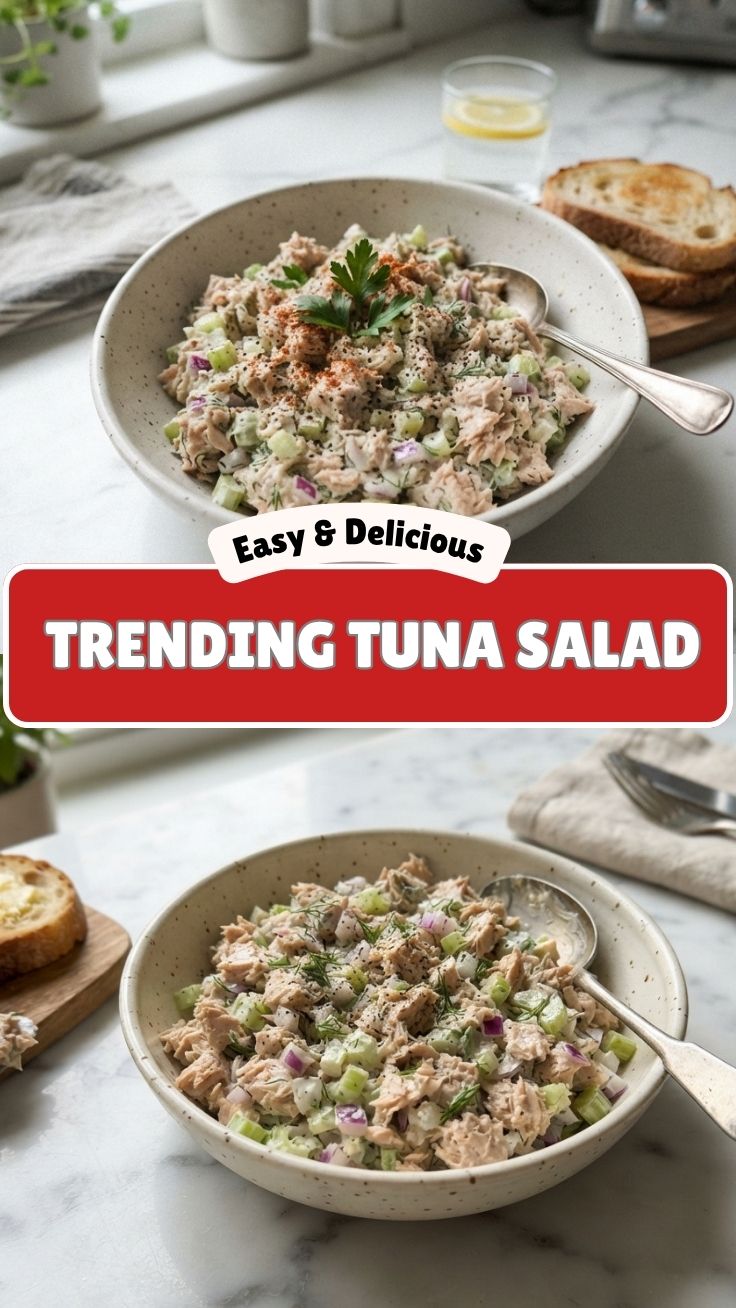
This recipe is no-cook, so timing is minimal:
– Prep time: 10 minutes
– Chill time (optional): 20–30 minutes to let flavors meld
– Total active time: 10 minutes
Planning tip: Make the salad while you’re multitasking—it’s ready in the time it takes to toast bread or boil eggs. If you’re meal prepping, prepare it the night before for better flavor.
Step-by-Step Instructions
1. Drain the tuna: Open both cans and press out excess liquid using a fork or a fine-mesh strainer. Overly wet tuna makes a watery salad.
2. Flake the tuna: Transfer to a mixing bowl and break it into small, even pieces with a fork. Avoid mashing—leave some texture.
3. Add the base: Mix in mayonnaise, Dijon mustard, and lemon juice. Stir until well coated. For a lighter version, start with 2 tbsp mayo and add more if needed.
4. Incorporate crunch: Fold in diced celery, red onion, and parsley. Stir gently to distribute evenly.
5. Season: Add salt and pepper. Taste and adjust—this is the moment to perfect your Tuna Salad.
6. Chill (optional): Cover and refrigerate for 20–30 minutes. This allows flavors to blend, making the tuna salad recipe even more delicious.
7. Serve: Enjoy on toasted bread, lettuce wraps, or crackers.
Temperature tip: If serving straight away, chill the mixing bowl beforehand to keep the salad cold. For a creamier texture, add an extra tablespoon of mayo after chilling.
Nutritional Benefits & Advantages
Tuna is a powerhouse of lean protein, offering about 20 grams per 3-ounce serving. It’s rich in omega-3 fatty acids, which support heart and brain health. The celery and onion add fiber and vitamin K, while lemon juice provides vitamin C. This dish is naturally low-carb and gluten-free, making it suitable for keto, paleo, and diabetic-friendly diets. Compared to store-bought versions, homemade Tuna Salad contains less sodium, no artificial preservatives, and you can tailor the fat content to your needs.
Tips, Variations & Cooking Advice
– Flavor boost: Add a dash of smoked paprika or a pinch of cayenne for heat.
– Herb swaps: Use dill, chives, or basil instead of parsley.
– Dairy-free version: Use vegan mayonnaise or mashed avocado as the binder.
– Gluten-free serving: Serve on gluten-free bread, rice cakes, or stuffed in bell peppers.
– Portion control: Make a double batch for quick lunches. Scale down if using one can.
– Alternative cooking methods: For a warm twist, gently sauté the tuna with olive oil and garlic before mixing, then let cool slightly.
Common Mistakes to Avoid
– Over-mixing the tuna: Leads to a mushy, paste-like texture. Flake gently for pleasing chunks.
– Skipping the drain: Excess moisture dilutes flavor and makes the salad runny. Pat tuna dry with paper towels if needed.
– Under-seasoning: Tuna is mild; don’t be shy with salt, pepper, and acid. Always taste before serving.
– Adding too much mayo: Overpowers the tuna. Start with 2–3 tbsp per two cans and adjust.
– Forgetting to chill: Flavor develops best after 30 minutes in the fridge. Cold salads also taste fresher.
Storage & Meal Prep Tips
– Refrigeration: Store in an airtight container for up to 3 days. The flavor often improves after 24 hours.
– Freezing: Not recommended—mayonnaise-based salads separate and become watery upon thawing. If you must freeze, omit mayo and add it fresh after thawing.
– Reheating: This salad is served cold. If you prefer a warm version, microwave briefly (10–15 seconds) but note texture changes.
– Meal prep: Prepare the salad without leafy greens or bread. Assemble servings just before eating to avoid sogginess.
– Portion containers: Divide into single-serve containers for grab-and-go lunches.
Conclusion
Making your own Tuna Salad from scratch is a small effort that yields big rewards—better taste, fresher ingredients, and complete control over what goes into your bowl. Whether you stick to this classic tuna salad recipe or customize it with your favorite add-ins, you’ll have a protein-packed meal that’s ready in minutes. I encourage you to try this version, share your twist in the comments, or explore more no-cook recipes on the blog. Your perfect lunch is just a few stirs away.
FAQs
1. Can I use fresh tuna instead of canned?
Yes. Grill or pan-sear a fresh tuna steak until just cooked through, then flake. This adds a richer flavor but increases prep time.
2. How do I prevent the salad from becoming watery?
Drain canned tuna thoroughly and pat dry. Avoid adding watery vegetables like tomatoes unless you mix them in just before serving.
3. What’s the best mayonnaise substitute?
Greek yogurt, mashed avocado, or hummus work well. Each changes the flavor profile, so adjust seasonings accordingly.
4. Can I make this salad ahead of time for a party?
Absolutely. Prepare it up to 1 day in advance, store covered in the fridge, and give it a quick stir before serving. Add a squeeze of fresh lemon to brighten it.
5. How long does tuna salad last at room temperature?
Never leave it out for more than 2 hours, or 1 hour if the room is above 90°F (32°C). For picnics, keep it in a cooler with ice packs.
Tuna Salad
Ingredients
Equipment
Method
- In a medium bowl, flake the drained tuna with a fork.
- Add mayonnaise, chopped celery, chopped red onion, Dijon mustard, salt, and pepper to the tuna.
- Mix all ingredients thoroughly until well combined.