Fresh & Authentic Pico de Gallo: A 5-Minute Salsa Recipe You’ll Make on Repeat
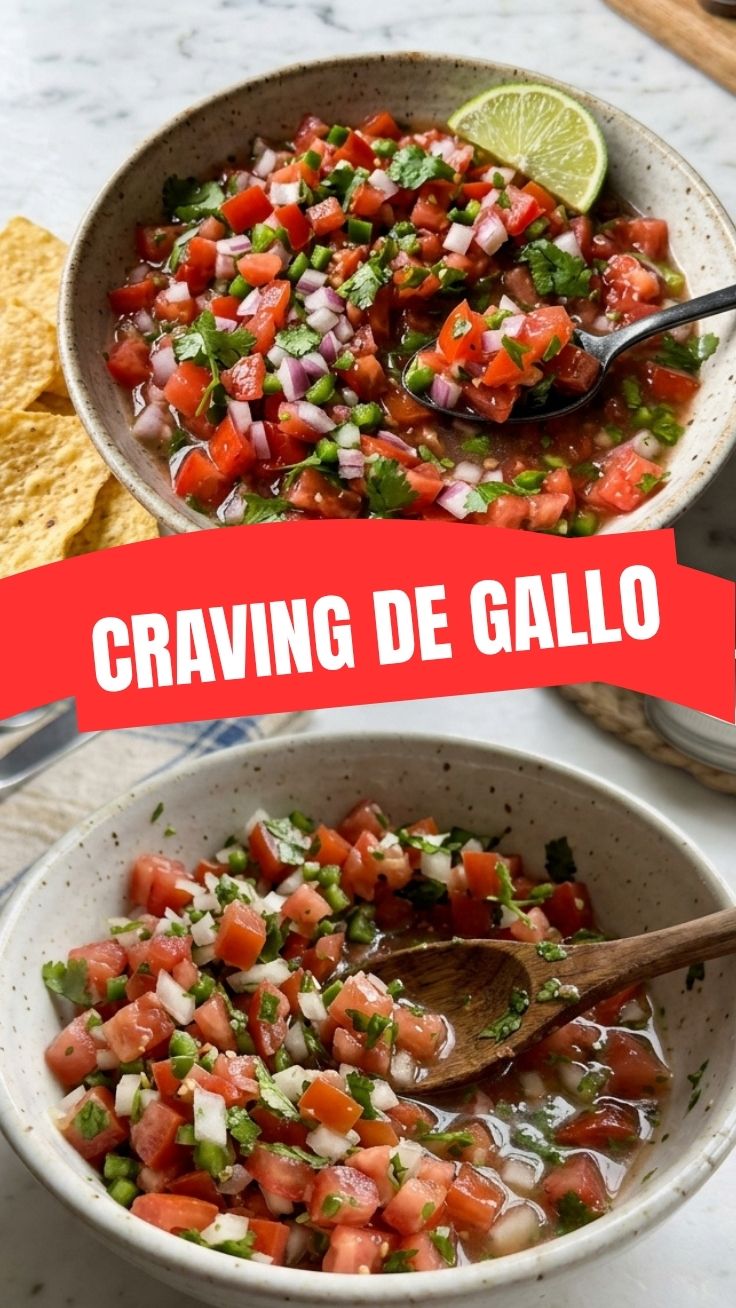
Have you ever bitten into a soggy, bland store-bought salsa and wondered why homemade Pico de Gallo tastes so much better? The secret lies in the freshness of each ingredient—and the fact that you control every chop, squeeze, and pinch. Learning to make this vibrant, no-cook salsa at home not only saves you money but also unlocks a world of flavor that no jar can replicate. Today, we’re diving deep into the art of crafting the perfect Pico de Gallo, a staple in Mexican cuisine that doubles beautifully as a Salsa Fresca for tacos, nachos, or simply scooped up with chips. By the end of this guide, you’ll have a foolproof method and insider tips to make your bowl the star of any gathering.
Ingredients & Kitchen Tools
Fresh Ingredients (makes about 2 cups)
– 6 Roma tomatoes – Firm, ripe, and seeded to avoid watery salsa. Roma’s low moisture content keeps your pico chunky.
– 1/2 medium white onion – Finely diced. Red onion works too but adds a milder, sweeter bite.
– 1–2 jalapeño peppers – Seeds and ribs removed for less heat. Serrano peppers for more fire.
– 1/4 cup fresh cilantro – Leaves only, chopped. No stems unless you like extra bitterness.
– Juice of 1 lime – Fresh is non-negotiable. Bottled lacks brightness.
– 1/2 teaspoon salt – Kosher or sea salt preferred. Adjust to taste.
Optional Substitutions
– Tomatoes: Campari or vine-ripened if Roma unavailable.
– Onion: Shallots for a delicate flavor.
– Heat: Scotch bonnet for serious kick; bell pepper for kid-friendly version.
– Herb: Flat-leaf parsley if cilantro tastes soapy to you.
Kitchen Tools
– Cutting board & sharp chef’s knife
– Mixing bowl (glass or stainless steel)
– Fine-mesh strainer (for rinsing tomatoes if needed)
– Citrus juicer or your hands
– Spoon for stirring
– Measuring spoons
Prep Time & Cooking Schedule
– Prep time: 10 minutes (dicing, chopping, juicing)
– Resting time: 15–30 minutes (essential for flavors to meld)
– Cook time: 0 minutes (no heat needed!)
Pro tip: Dice everything while your grill heats up or your main dish finishes cooking. The resting period is when the magic happens—the salt draws out tomato juices, the lime brightens the onions, and the cilantro infuses every bite. If you’re short on time, even a 10-minute rest makes a difference.
Step-by-Step Instructions
1. Prepare the tomatoes: Cut each Roma in half lengthwise and scoop out the jelly-like seeds with a small spoon. Dice the flesh into 1/4-inch cubes. This simple step prevents your Pico de Gallo from becoming a soup within an hour.
2. Dice the onion as fine as you can—aim for 1/8-inch pieces. Rinse under cold water in a mesh strainer, then pat dry. This removes the harsh sulfur notes and makes the onion crisp.
3. Seed and mince the jalapeño. For a milder salsa, remove both seeds and white ribs; for extra heat, leave some in. Wear gloves or wash hands immediately after.
4. Chop the cilantro gently. Don’t pulverize—just a quick pass of the knife until you have fluffy green bits.
5. Combine everything in a mixing bowl: diced tomatoes, onion, jalapeño, cilantro, lime juice, and salt. Stir gently with a spoon, being careful not to mash the tomatoes.
6. Taste and adjust. Need more lime? More salt? A pinch of sugar if your tomatoes aren’t sweet? Trust your palate. This is where Salsa Fresca truly becomes your own.
7. Let it rest at room temperature for at least 15 minutes. Cover and refrigerate if waiting longer. Serve with tortilla chips, over grilled meats, or as a topping for tacos.
Temperature tip: Serve slightly chilled but not ice-cold—extreme cold dulls the fresh vegetable flavors.
Nutritional Benefits & Advantages
This vibrant salsa is a nutrient powerhouse. Tomatoes provide lycopene (linked to heart health and cancer prevention), while onions and jalapeños supply quercetin and capsaicin, both anti-inflammatory compounds. Cilantro aids heavy metal detoxification, and lime juice offers a vitamin C boost. With only about 15 calories per 1/4-cup serving, Pico de Gallo is naturally low in fat, gluten-free, vegan, and Whole30-friendly. It’s also sugar-conscious—no added sweeteners, just the natural sugars from ripe tomatoes.
Tips, Variations & Cooking Advice
– For a fruitier twist: Diced mango or pineapple added just before serving creates a tropical Salsa Fresca perfect with fish tacos.
– Roasted version: Char the tomatoes, onion, and jalapeño on a comal or under a broiler, then chop and mix. This deepens the flavor without losing the fresh texture.
– Make it creamy: Stir in diced avocado right before serving. Do not mix in advance or the avocado will brown.
– Herb swap: Try mint or basil for an unexpected but delicious variation.
– Dietary adaptations: Already gluten-free, dairy-free, and low-FODMAP if you omit the onion (use scallion greens instead).
Common Mistakes to Avoid
– Using mealy, under-ripe tomatoes: They lack flavor and release too much water. Always buy in-season or use cherry tomatoes in a pinch.
– Over-chopping: Minced too fine, Pico de Gallo becomes mushy. Aim for uniform 1/4-inch dice.
– Skipping the rest time: The salt needs time to work. A freshly mixed pico tastes separate; a rested one tastes cohesive.
– Adding cilantro stems: They’re tough and bitter. Strip leaves off the stems before chopping.
– Storing in metal bowl: Acid from lime can react with aluminum, imparting a metallic taste. Use glass, ceramic, or stainless steel.
Storage & Meal Prep Tips
– Refrigeration: Transfer to an airtight glass container and store for up to 3 days. The salsa will release liquid over time; simply drain excess before serving.
– Freezing: Not recommended—the texture of thawed tomatoes becomes watery and mushy. If you must, freeze without cilantro and add fresh after thawing.
– Reheating: Never needed—serve cold or at room temperature. If your salsa has been refrigerated, let it sit for 10 minutes to take the chill off.
– Meal prep: Dice all vegetables (except tomatoes) up to 2 days ahead. Store separately in sealed containers. Dice tomatoes and combine just before serving for maximum crunch.
Conclusion
Making homemade Pico de Gallo is a five-minute investment that pays off in bold, clean flavor. By controlling ingredient quality and preparation, you elevate this simple salsa from a side dish to the centerpiece of your table. Whether you call it Pico de Gallo or Salsa Fresca, the result is the same: a vibrant, healthful, and endlessly customizable condiment that makes every meal brighter. Try it tonight, snap a photo, and share your creation—we’d love to see your version!
FAQs
1. Can I use canned tomatoes for Pico de Gallo?
Fresh is best. Canned tomatoes are cooked and too soft, resulting in a mushy texture that isn’t true Pico de Gallo.
2. How do I make it less spicy without losing flavor?
Remove all seeds and white ribs from the jalapeño, or substitute with a small Anaheim pepper. You can also add a pinch of sugar to balance heat.
3. Why is my salsa watery?
You likely didn’t seed the tomatoes or salted too early. Seed thoroughly, and adjust salt only after resting—salt draws out moisture.
4. Can I add garlic?
Yes! One minced clove adds depth, but it can overpower the fresh taste. Use sparingly and let rest for at least 30 minutes.
5. How long does it stay fresh in the fridge?
Best within 24 hours, but still good for up to 3 days if you drain excess liquid daily. The onion and cilantro will lose brightness after day two.
How to grow Pico de Gallo from 5 ingredients
Ingredients
Equipment
Method
- Prepare your chosen garden space or containers by enriching the soil with compost and ensuring good drainage. Plant tomato, cilantro, and jalapeño seeds directly into the soil, following package instructions for spacing and depth.
- For onions, plant onion sets about 4-6 inches apart in rows, ensuring the tip of the bulb is just below the soil surface. Plant the lime tree seedling in a sunny spot with well-draining soil, ensuring it has enough space to grow.
- Water regularly, especially during dry periods, to keep the soil consistently moist but not waterlogged. Provide stakes or cages for tomatoes and jalapeños as they grow to support their heavy fruit production.
- Fertilize all plants with a balanced organic fertilizer every 2-4 weeks, or as recommended for each specific plant. Monitor for pests and diseases, addressing any issues organically to ensure healthy growth.
- Harvest cilantro leaves when they are young and tender for the best flavor, picking the outer leaves first to encourage more growth. Pick jalapeños when they are firm and green, or allow them to ripen to red for a spicier flavor.