Beat the Heat with a Crunchy, Creamy, and Nutrient-Packed Bowl
Are you tired of heavy, sluggish meals when the mercury rises? What if you could whip up a dish that tastes like a vacation, feels like a cool breeze, and packs a serious nutritional punch—all in under 20 minutes? That’s exactly what you get when you dive into a Cape Cod-style salad. This isn’t just any bowl of greens; it’s a perfect balance of sweet, salty, tangy, and creamy. Preparing this vibrant dish at home not only saves you money and hidden additives but also puts you in control of every fresh, seasonal ingredient. If you’ve been searching for a healthy summer salads recipe that satisfies like a main course yet feels light as a feather, this one is your new go-to. Let’s explore a few other summer salad ideas that can transform your weekly menu once you master the basics.
—
Ingredients & Kitchen Tools
Ingredients (serves 2–3 as a main)
– 2 cups chopped romaine or butter lettuce – Provides a sturdy, crisp base.
– 1 cup cooked quinoa (cooled) – Adds protein and a nutty chew.
– 1/2 cup dried cranberries – For natural sweetness and a chewy pop.
– 1/2 cup toasted pecans or walnuts – Crunch and healthy fats.
– 1 cup cooked, diced chicken breast or chickpeas (optional) – For extra protein.
– 1/3 cup crumbled feta cheese – Salty creaminess; omit for dairy-free.
– 1 large apple (Honeycrisp or Fuji), diced – Juicy tartness.
– 3 tablespoons mayonnaise (or Greek yogurt) – For the creamy dressing base.
– 2 tablespoons apple cider vinegar – Bright acidity.
– 1 tablespoon honey or maple syrup – Balances the tang.
– 1/2 teaspoon celery seeds – Classic Cape Cod flavor nuance.
– Salt and black pepper to taste – Essential seasoning.
Kitchen Tools
– Large mixing bowl
– Small whisk or fork for dressing
– Chef’s knife and cutting board
– Measuring cups and spoons
– Salad spinner (optional but recommended for drying greens)
—
Prep Time & Cooking Schedule
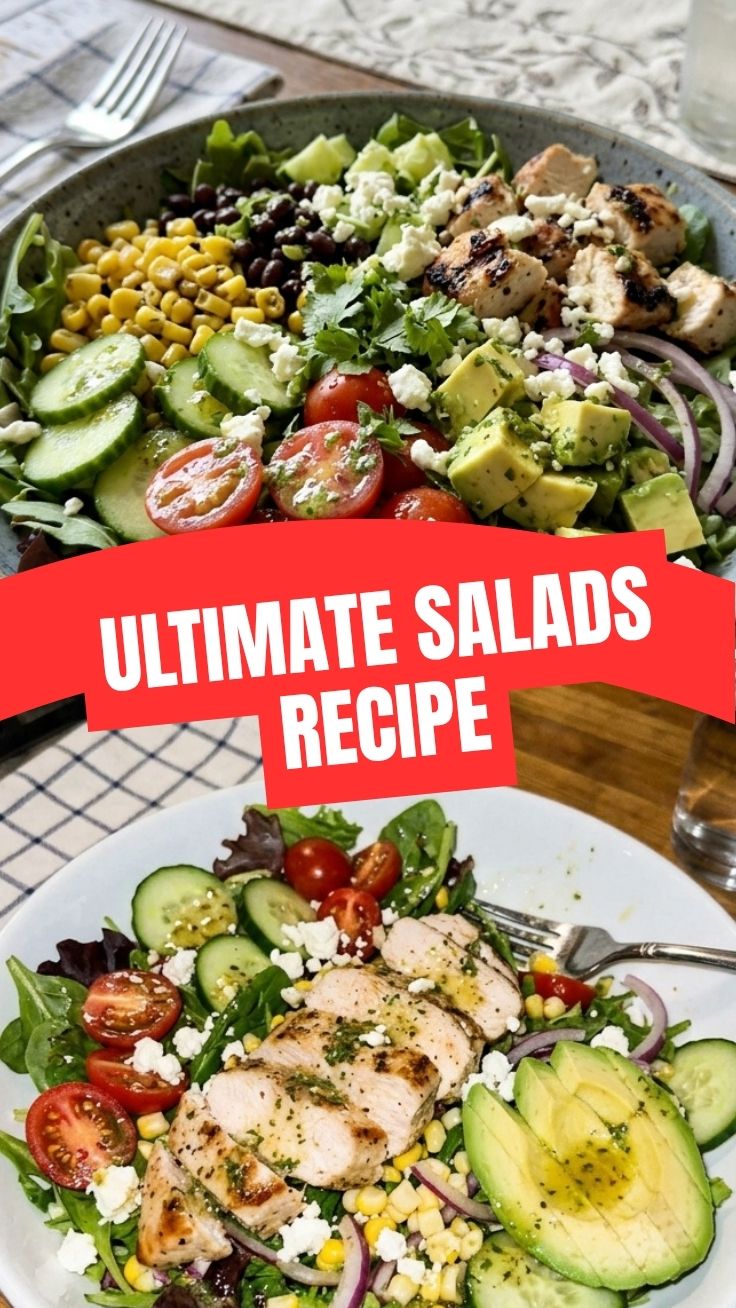
– Prep time: 15 minutes
– Cook time (quinoa + chicken): 15 minutes (if not using pre-cooked)
– Cooling time: 10 minutes (for quinoa and chicken)
– Total (including cooling): 35 minutes
Tip: Cook quinoa and chicken ahead of time (even the night before) so that assembly takes only 10 minutes. The salad tastes best when all ingredients are cool or at room temperature—never warm greens.
—
Step-by-Step Instructions
1. Prepare the base: If using raw quinoa, rinse it well, then cook in 2 cups of salted water. Bring to a boil, reduce to a simmer, cover, and cook 12–15 minutes until liquid is absorbed. Fluff with a fork and let cool completely.
2. Toast the nuts: In a dry skillet over medium heat, toast pecans or walnuts for 2–3 minutes until fragrant. Set aside to cool.
3. Make the dressing: In a small bowl, whisk together mayonnaise (or yogurt), apple cider vinegar, honey, celery seeds, and a pinch of salt and pepper. Adjust sweetness or acidity to your taste.
4. Assemble the salad: In a large bowl, combine chopped lettuce, cooled quinoa, dried cranberries, toasted nuts, diced apple, and crumbled feta. If using chicken or chickpeas, add them now.
5. Dress and toss: Pour the dressing over the mixture and toss gently until everything is evenly coated. Taste and adjust seasoning.
6. Serve immediately: Divide among plates. For an extra touch, garnish with additional cranberries or a sprinkle of fresh herbs like parsley.
Note: This healthy summer salads recipe stays crunchy and satisfying because we add the dressing just before serving. If you’re looking for other summer salad ideas, try swapping the apple for fresh peaches or the feta for goat cheese—the method stays the same.
—
Nutritional Benefits & Advantages
This salad is a powerhouse of balanced nutrition. Quinoa provides complete plant-based protein and fiber, while pecans contribute heart-healthy monounsaturated fats. Cranberries are rich in antioxidants that support urinary tract health, and the apple adds vitamin C and hydration. Feta offers calcium and protein without overwhelming sodium when used in moderation. The total per serving (with chicken) clocks in around 400–450 calories, with 20g protein, 10g fiber, and only 8g of added sugar. It’s naturally gluten-free and can be made dairy-free or vegan with simple swaps.
—
Tips, Variations & Cooking Advice
– Vegan/ Dairy-free: Skip the feta or use a plant-based crumble; replace mayonnaise with vegan mayo or a mashed avocado dressing.
– Low-carb: Swap quinoa for chopped cauliflower rice or extra greens.
– Extra protein: Add grilled shrimp, hard-boiled eggs, or edamame.
– Flavor twist: Swap apple cider vinegar for balsamic and cranberries for dried figs.
– Portion adaptation: Double the recipe for a backyard BBQ side; half it for a quick lunch.
—
Common Mistakes to Avoid
– Adding dressing too early: Lettuce and nuts turn soggy and lose crunch. Always dress right before serving.
– Using warm quinoa or chicken: Warm ingredients wilt the greens. Ensure everything is fully cooled before assembling.
– Skipping the celery seeds: They add the signature “Cape Cod” background note—don’t omit.
– Overdressing: Start with half the dressing, toss, then add more if needed. Too much dressing turns the salad into soup.
—
Storage & Meal Prep Tips
– Refrigeration: Store undressed salad elements separately in airtight containers for up to 3 days. Keep dressing in a jar.
– Freezing: Not recommended for this fresh salad; frozen greens and apples become mushy upon thawing.
– Reheating: None needed. For a cold leftover lunch, assemble just the undressed components in a container and add dressing at mealtime.
– Best practice: Prep quinoa, toast nuts, and make dressing up to 3 days ahead. Chop apple and lettuce on the day of serving.
—
Conclusion
This Cape Cod-inspired bowl proves that a healthy summer salads recipe can be both indulgent and nourishing without hours in the kitchen. The combination of crunchy apples, chewy cranberries, creamy feta, and tangy dressing is a proven crowd-pleaser. By mastering this base method, you unlock countless summer salad ideas for any occasion—from picnics to potlucks. Try it tonight, share your twist in the comments, or check out our other seasonal bowls for more inspiration.
—
FAQs
1. Can I use a different grain instead of quinoa?
Absolutely. Farro, brown rice, or couscous work well. Adjust cooking times accordingly—farro takes about 25 minutes.
2. What if I don’t have apple cider vinegar?
Use white wine vinegar or lemon juice. The flavor will shift slightly, but the acidity will still brighten the salad.
3. How do I keep the apples from browning?
Toss diced apples with a squeeze of lemon juice before adding to the salad. This also adds a pleasant tart note.
4. Can I make this recipe nut-free?
Yes. Replace pecans/walnuts with toasted pumpkin seeds, sunflower seeds, or simply omit for a softer texture.
5. How long does the dressed salad last?
Dressed salad should be eaten within 2–3 hours. After that, the greens wilt and the nuts lose crunch. Store dressing separately for best results.
Best way to grow 7 healthy summer salads recipe
Ingredients
Equipment
Method
- Choose a sunny spot and prepare your garden bed. Ensure good drainage and loosen the soil to a depth of at least 12 inches using a shovel or gardening fork.
- Amend the soil with compost and organic fertilizer. Incorporate these materials thoroughly to enrich the soil with essential nutrients for healthy plant growth.
- Plan your planting layout. Consider sun exposure, mature plant size, and companion planting relationships for optimal growth and pest deterrence.
- Sow seeds according to package directions. Create furrows or small holes with a trowel, place seeds at the recommended depth and spacing, then gently cover them with soil.
- Water newly planted seeds gently. Use a watering can or hose with a fine spray to avoid disturbing the seeds or compacting the soil.
- Label your rows or plants with gardening markers. This will help you identify what you've planted as seedlings emerge.
- Water regularly, especially during dry periods. Aim for consistent moisture without waterlogging, typically at the base of the plants in the morning.
- Thin seedlings as they grow. Remove weaker plants to give stronger ones adequate space and resources to thrive, promoting airflow and reducing disease risk.
- Monitor for pests and diseases. Inspect your plants regularly and address any issues promptly using organic pest control methods if necessary.
- Harvest leafy greens from outer leaves. This encourages the plant to continue producing, providing a continuous supply for your salads throughout the season.
- Pick vegetables at their peak ripeness. Gently remove fruits like tomatoes and cucumbers when they reach their full color and size for the best flavor.
- Enjoy your fresh, home-grown ingredients. Use your bountiful harvest to create delicious and healthy summer salads.