Why You Need to Stop Ordering This Takeout Classic and Make It at Home
Have you ever craved that perfect balance of crispy, sticky, sweet, and spicy chicken but hesitated because ordering delivery feels expensive or unpredictable? You’re not alone. The truth is, replicating the magic of General Tso’s Chicken in your own kitchen is not only possible—it’s actually easier, healthier, and more rewarding than most people think. When you make this dish from scratch, you control the quality of the ingredients, adjust the heat to your liking, and skip the hidden sugars and MSG often found in typical Chinese takeout. Plus, the satisfaction of biting into a perfectly coated, homemade piece of chicken is unmatched. In this guide, we’ll walk you through every step so you can serve a restaurant-quality dinner without leaving your house. By the way, if you’re looking for a fantastic weeknight alternative, this recipe delivers all the bold flavor with a fraction of the effort.
Ingredients & Kitchen Tools
To nail the perfect crisp and glaze, gather these items:
– Boneless, skinless chicken thighs (1.5 lbs) – Thighs stay juicier than breasts; substitute with breast if preferred.
– Cornstarch (1/2 cup) – Creates that signature shatteringly crisp coating.
– Eggs (2, beaten) – Helps the cornstarch adhere.
– Vegetable or peanut oil – For frying; use enough to submerge pieces halfway (about 2 cups).
– Soy sauce (3 tbsp) – Low-sodium works best to control salt.
– Rice vinegar (2 tbsp) – Adds acidity to balance sweetness.
– Hoisin sauce (2 tbsp) – Deepens the savory umami.
– Sugar (3 tbsp, preferably brown) – For caramelization and stickiness.
– Garlic (4 cloves, minced) & fresh ginger (1 tbsp, grated) – The aromatic backbone.
– Dried red chili peppers (6–8, optional) – For authentic heat; adjust to tolerance.
– Sesame oil (1 tsp, for finishing) & sesame seeds + green onions for garnish.
Tools: Large bowl, whisk, heavy-bottomed skillet or wok, slotted spoon, paper towels, small saucepan.
Prep Time & Cooking Schedule
– Prep time: 20 minutes (chopping, mixing sauce, cutting chicken).
– Marinating time: 10–15 minutes (optional but recommended for deeper flavor).
– Cooking time: 15–20 minutes (fry in batches, then toss in sauce).
– Resting time: 2–3 minutes after frying to maintain crispness.
Schedule tip: Start the sauce while the chicken marinates. Fry the chicken just before serving so it stays crunchy. This recipe moves fast once you begin — have all components ready before heating oil.
Step-by-Step Instructions
1. Cut and marinate: Dice chicken thighs into 1½-inch chunks. In a bowl, toss with 2 tbsp soy sauce, 1 tbsp rice vinegar, and a pinch of white pepper. Let rest 10 minutes.
2. Coat the chicken: In a separate bowl, whisk eggs. Dredge each piece first in beaten egg, then in cornstarch, pressing lightly to adhere. Shake off excess.
3. Fry to golden crisp: Heat oil in a wok or deep skillet to 350°F (175°C). Fry chicken in small batches (don’t crowd the pan) for 4–5 minutes, turning once, until deep golden brown. Drain on paper towels.
4. Prepare the glaze: In a small saucepan, combine remaining soy sauce, rice vinegar, hoisin, brown sugar, minced garlic, grated ginger, and chili peppers. Simmer over medium heat until thickened (about 3 minutes). Stir in sesame oil.
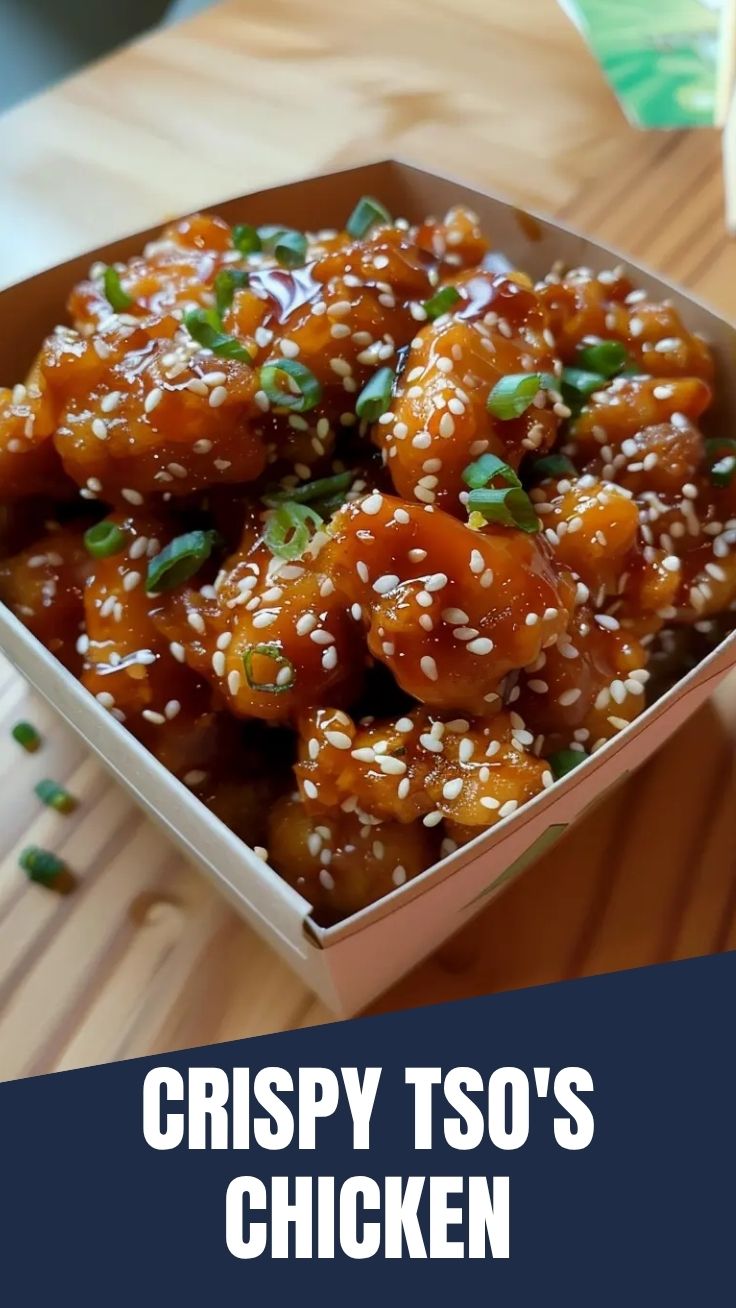
5. Toss and serve: Return fried chicken to the wok (remove oil, leaving 1 tbsp). Pour sauce over chicken and toss vigorously for 30 seconds until each piece is coated but still crunchy. Garnish with sesame seeds and green onions.
Pro tip: To keep the coating extra crisp, never let the sauced chicken sit — serve immediately. This version of General Tso’s Chicken rivals any Chinese takeout order, and you can tweak the heat level by increasing or reducing dried chilies.
Nutritional Benefits & Advantages
This homemade version gives you control over sodium and sugar without sacrificing taste. Chicken thighs provide high-quality protein (about 25g per serving) and essential B vitamins. Cornstarch coating means lighter, less greasy chicken compared to many restaurant batters. By using hoisin and minimal sugar, you reduce hidden sweeteners. The ginger and garlic add anti-inflammatory properties. Plus, skipping deep-frying in reused oil lowers trans fats. A typical serving here has roughly 450–500 calories — considerably leaner than takeout.
Tips Variations & Cooking Advice
– Flavor twists: Swap hoisin for plum sauce or add a splash of orange juice for a citrusy note.
– Dietary adaptations: For gluten-free, use tamari instead of soy sauce and ensure cornstarch is pure. For dairy-free (already is), no changes needed.
– Cooking methods: Bake at 400°F for 15 minutes after coating (spray with oil) for a lighter version. Air fry at 375°F for 12 minutes works beautifully.
– Portion changes: Double the sauce if serving a crowd; keep chicken batches separate until tossing.
Common Mistakes to Avoid
– Overcrowding the pan: Lowers oil temperature, making chicken greasy instead of crisp. Fry in small batches.
– Soggy coating: Let fried chicken rest only briefly before saucing, and never let sauce sit on chicken longer than 1 minute before serving.
– Burnt garlic/ginger: Add them to the sauce only after the liquid is simmering, not directly to hot oil.
– Too sweet or too salty: Taste your hoisin and soy sauce brands — adjust sugar accordingly. Use low-sodium soy if in doubt.
Storage & Meal Prep Tips
– Refrigerate: Store leftover chicken and sauce separately in airtight containers for up to 3 days.
– Freeze: Fried chicken (without sauce) freezes well for 2 months. Reheat in oven at 375°F to restore crunch.
– Reheat: For best texture, reheat chicken in a hot skillet with a teaspoon of oil, then toss with reheated sauce. Avoid microwaving — it ruins the crispness.
Conclusion
Bringing the iconic sweet-spicy crunch of General Tso’s Chicken into your home kitchen is a game-changer. Not only do you avoid the unpredictable quality and cost of Chinese takeout, but you also gain the ability to customize each element to your liking. Today, you learned the essential steps, from coating technique to sauce balancing, plus storage tips to enjoy leftovers without disappointment. Now it’s your turn — fire up that wok, invite family or friends, and share your results. Leave a comment below or tag us in your photos; we’d love to see your version of this crispy classic.
FAQs
1. Can I use chicken breast instead of thighs?
Yes, but reduce cooking time slightly. Breast dries out faster — pound to even thickness and don’t overcook.
2. What if I can’t find dried red chili peppers?
Substitute with 1 tsp red pepper flakes or a splash of chili garlic sauce. Adjust to taste for heat.
3. Why did my chicken become soggy after adding sauce?
The sauce was too thin or you cooked the chicken too long before tossing. Simmer sauce until syrupy and toss quickly.
4. Can I make this gluten-free?
Absolutely. Use tamari or coconut aminos, ensure hoisin is labeled GF, and skip the soy sauce. Cornstarch is naturally gluten-free.
5. How do I reheat leftovers without losing crunch?
Best: reheat cooked chicken (no sauce) in an air fryer at 375°F for 4–5 minutes, then rewarm sauce separately and toss. Avoid microwave unless you accept a softer texture.
Quick way to grow General Tso's Chicken fanatics
Ingredients
Equipment
Method
- Pat dry the chicken pieces, then season with salt and pepper.
- In a bowl, whisk the egg.
- In another bowl, place the cornstarch.
- Dip each chicken piece into the egg, then dredge in cornstarch, ensuring it's fully coated.
- Heat vegetable oil in a large skillet or wok to 350°F (175°C).
- Fry chicken in batches for 4-6 minutes, or until golden brown and cooked through. Remove and drain on a wire rack.
- In a medium bowl, whisk together soy sauce, rice vinegar, hoisin sauce, sugar, ginger, garlic, red pepper flakes, cornstarch, and water until smooth.
- In a clean skillet or wok, pour the sauce mixture and cook over medium heat, stirring constantly, until it thickens.
- Add the fried chicken to the thickened sauce and toss until all pieces are evenly coated.
- Garnish with sliced green onions and sesame seeds.
- Serve immediately with rice and steamed vegetables.