The Ultimate Guide to Making Sizzling Fajitas (Chicken or Beef) at Home
Have you ever craved the smoky, sizzling aroma of restaurant-quality fajitas but hesitated to try making them at home? You’re not alone. Many home cooks assume that achieving that perfect caramelized crust, tender meat, and vibrant vegetable medley requires a flat-top grill and a chef’s secret. The truth is, with the right technique and a handful of everyday ingredients, you can create Fajitas (Chicken or Beef) that rival any dining experience—while saving money and controlling every flavor element. The key lies in three components: high heat, proper marination, and a balanced fajita seasoning that brings depth without overwhelming the protein. Preparing these at home is not only rewarding but also allows you to customize spice levels, adjust for dietary needs, and enjoy leftovers that taste just as incredible the next day.
Ingredients & Kitchen Tools
For the Fajitas (Chicken or Beef):
– 1.5 lbs chicken breast or flank steak – Chicken should be boneless, skinless; beef should be thinly sliced against the grain for tenderness.
– 2 large bell peppers (mixed colors) – Red, yellow, or orange add sweetness; green peppers offer a slightly bitter contrast.
– 1 large yellow onion – Sliced into thin strips; white onions also work but are milder.
– 3 tbsp olive oil or avocado oil – Avocado oil has a higher smoke point, ideal for searing.
– 1 batch of fajita seasoning – Use store-bought or make your own blend (recipe below).
– 8 flour or corn tortillas – Warm them on a dry skillet or directly over a gas flame for authentic flavor.
– Optional toppings: Sour cream, shredded cheese, fresh salsa, guacamole, lime wedges, cilantro.
For Homemade Fajita Seasoning (makes ~3 tbsp):
– 1 tbsp chili powder
– 1 tsp smoked paprika
– 1 tsp ground cumin
– 1 tsp garlic powder
– 1 tsp onion powder
– ½ tsp dried oregano
– ½ tsp salt
– ¼ tsp black pepper
– Pinch of cayenne (optional for heat)
Kitchen Tools:
– Cast iron skillet or heavy-bottomed stainless steel pan – Retains high heat for perfect searing.
– Sharp chef’s knife and cutting board – For uniform slicing.
– Tongs – For flipping meat and vegetables without piercing.
– Mixing bowls – For marinating.
– Measuring spoons – For seasoning accuracy.
Substitutions:
– Protein swap: Use shrimp, tofu, or portobello mushrooms for a vegetarian version.
– Oil alternative: Coconut oil or ghee work well but add a subtle flavor.
– Tortillas: Gluten-free corn tortillas or lettuce wraps for low-carb options.
Prep Time & Cooking Schedule
– Prep Time: 15 minutes (including slicing and seasoning)
– Marinating Time: 20 minutes minimum (optional but recommended for beef; chicken benefits from 30 minutes)
– Cook Time: 10–12 minutes total (high heat, brief cooking)
– Resting Time: 5 minutes (critical for beef to retain juices)
– Total Time: Approximately 45 minutes
Why this schedule works: The marinating step is not mandatory but dramatically improves flavor penetration. For rush nights, you can skip it and apply seasoning directly—just be sure to pat meat dry before cooking. The actual cooking window is short, so have all ingredients prepped and tortillas warming before you turn on the heat.
Step-by-Step Instructions
1. Prepare the protein: If using chicken, slice each breast horizontally into two thin cutlets, then cut against the grain into ½-inch strips. For flank steak, slice thinly across the grain. This ensures tender bites regardless of protein.
2. Season the meat: In a bowl, combine the protein with 2 tbsp of oil and half of your fajita seasoning. Toss to coat evenly. Let rest while you prep vegetables (or cover and refrigerate for 20–30 minutes if marinating).
3. Prep vegetables: Slice bell peppers and onion into ¼-inch strips. Keep them uniform in size to ensure even cooking. Set aside.
4. Preheat the pan: Place your cast iron skillet over high heat for at least 3 minutes. It should be smoking hot—this is critical for achieving the charred, caramelized exterior that defines great Fajitas (Chicken or Beef).
5. Cook the protein: Add 1 tbsp of oil to the hot pan. Spread the meat in a single layer—do not overcrowd. Sear undisturbed for 2–3 minutes until deeply browned. Flip with tongs and cook another 1–2 minutes. Transfer to a plate and tent with foil.
6. Cook the vegetables: Reduce heat to medium-high. Add remaining 1 tbsp oil and the peppers and onions. Sprinkle with remaining fajita seasoning and toss occasionally for 3–4 minutes until softened and slightly charred at edges.
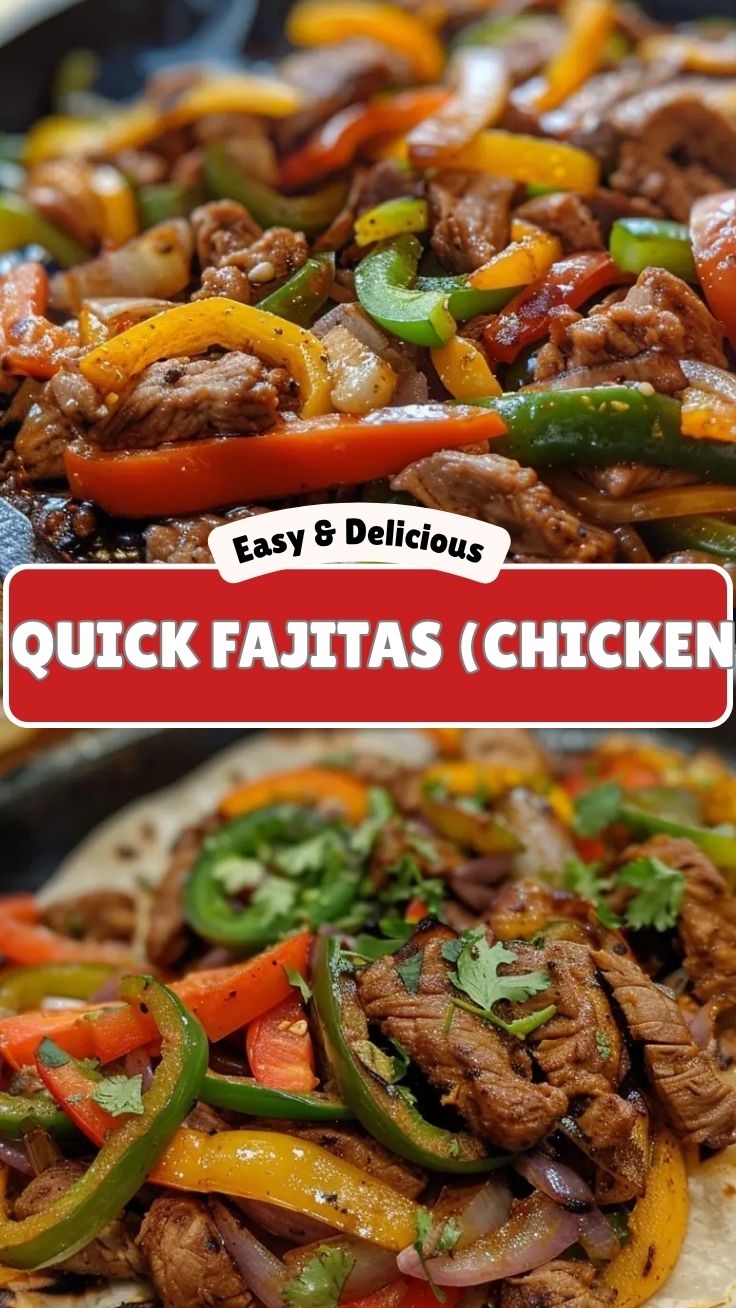
7. Combine and serve: Return the cooked meat to the pan with the vegetables. Toss everything together for 30 seconds. Remove from heat immediately to avoid overcooking. Serve on warm tortillas with your choice of toppings.
Pro tip: For extra smoky flavor, squeeze half a lime over the finished fajitas and sprinkle with fresh cilantro. The acidity brightens the rich, savory notes.
Nutritional Benefits & Advantages
This dish is naturally high in protein (approximately 35–40g per serving, depending on protein choice) and rich in vitamin C from the bell peppers—one serving provides over 150% of your daily recommended intake. The onions and garlic in the seasoning offer prebiotic fiber that supports gut health, while the healthy fats from avocado oil or olive oil aid in absorbing fat-soluble vitamins (A, D, E, K) from the vegetables. Unlike many restaurant versions, homemade fajitas contain no added sugars or preservatives, and you can control sodium levels by adjusting the salt in your seasoning blend. For those managing blood sugar, the combination of protein, fiber, and moderate carbohydrates from tortillas provides steady energy without dramatic spikes.
Tips Variations & Cooking Advice
– Flavor variations: Swap half the chili powder for chipotle powder for a smoky, spicy kick. Add a splash of Worcestershire sauce to the marinade for deeper umami.
– Cooking methods: Use a grill pan or outdoor grill for even deeper char marks. For a sheet-pan version, spread meat and veggies on a baking sheet and broil on high for 6–8 minutes.
– Dietary adaptations: For dairy-free, skip cheese and sour cream, or use cashew-based alternatives. For gluten-free, ensure tortillas are certified gluten-free and use tamari instead of soy sauce if adding as a flavor boost.
– Portion changes: Double the vegetable quantity for a lower-carb, higher-fiber meal. Serve over cauliflower rice instead of tortillas for a paleo-friendly option.
Common Mistakes to Avoid
1. Overcrowding the pan: Adding too much meat or vegetables at once lowers the pan temperature, causing steaming instead of searing. Cook in batches if needed.
2. Skipping the rest time: Cutting into beef immediately after cooking allows juices to run out, leaving dry meat. Let it rest for at least 5 minutes.
3. Not heating tortillas: Cold tortillas crack and lack flavor. Warm them directly over a gas flame (turn frequently with tongs) or in a dry skillet for 30 seconds per side.
4. Using pre-sliced vegetables: Pre-cut vegetables from stores often have uneven thickness, leading to some pieces burning while others stay raw. Slice your own for consistency.
Storage & Meal Prep Tips
– Refrigeration: Store cooked fajitas (separate from tortillas) in an airtight container for up to 4 days. Keep meat and vegetables together as the juices keep vegetables from drying out.
– Freezing: Place cooled fajita mixture in freezer-safe bags, removing as much air as possible. Freeze for up to 3 months. Thaw overnight in the refrigerator.
– Reheating: The best method is a hot skillet over medium-high heat for 2–3 minutes until sizzling. Microwave works in a pinch but will make vegetables soft—add a splash of water and cover with a damp paper towel.
– Meal prep idea: Cook a double batch on Sunday, portion into containers with tortillas on the side, and reheat during the week for quick lunches.
Conclusion
Mastering perfectly sizzling Fajitas (Chicken or Beef) at home is a game-changer for any cook. By focusing on high-heat cooking, proper seasoning with your preferred fajita seasoning, and fresh garnishes, you can consistently create a meal that feels both special and effortless. Whether you’re feeding a crowd on Cinco de Mayo or need a quick weeknight dinner, this recipe delivers restaurant-quality results from your own kitchen. Try it this week, and share your sizzling creations in the comments—or experiment with our shrimp and vegetarian variations. Don’t forget to explore our other one-pan Mexican-inspired recipes for even more flavor-packed meals.
FAQs
1. Can I use frozen chicken or beef for fajitas?
Yes, but thaw completely in the refrigerator first. Frozen meat holds excess moisture, which will steam instead of sear. Pat it dry thoroughly before seasoning.
2. How do I prevent fajitas from becoming watery?
Ensure your pan is screaming hot before adding protein. Also, don’t salt vegetables until they start cooking—salt draws out moisture. Pat bell peppers dry if they feel wet after slicing.
3. What’s the best substitute for fajita seasoning?
Mix chili powder, cumin, garlic powder, and smoked paprika in equal parts (1 tsp each for a quick fix). Add a pinch of cayenne and oregano if available.
4. Can I make fajitas in a slow cooker?
Technically yes, but you’ll lose the charred texture. For best results, sear protein and veggies in a skillet first, then transfer to a slow cooker on low for 2–3 hours. Finish under the broiler for 2 minutes to restore some caramelization.
5. How do I adjust the spiciness for kids?
Reduce or omit cayenne and black pepper from the seasoning. Add a small amount of brown sugar to balance heat. Serve with a cooling side like sour cream or plain yogurt.
Proven way to grow delicious Fajitas (Chicken or Beef)
Ingredients
Equipment
Method
- If marinating, combine lime juice, garlic powder, cumin, and chili powder in a bowl and add the sliced chicken or beef, then let it marinate for at least 15 minutes.
- Slice bell peppers and onion into thin strips, and have your tortillas, salsa, sour cream, and lime wedges ready for serving.
- Heat olive oil in a large skillet or cast-iron pan over medium-high heat.
- Add the marinated meat to the hot skillet and cook until browned and cooked through, approximately 5-7 minutes.
- Remove the meat from the skillet and set aside, keeping it warm.
- Add the sliced bell peppers and onion to the same skillet, adding a little more oil if needed, and sauté until tender-crisp, about 5-8 minutes.
- Return the cooked meat to the skillet with the peppers and onions, sprinkle with fajita seasoning, and toss to combine.
- Cook for another 2-3 minutes to allow the flavors to meld, tossing occasionally.
- Serve the fajita mixture immediately with warm tortillas, salsa, sour cream, and lime wedges for squeezing.