Unlock the Secret to the Perfect Hearty Beef Stew: Your Ultimate Guide!
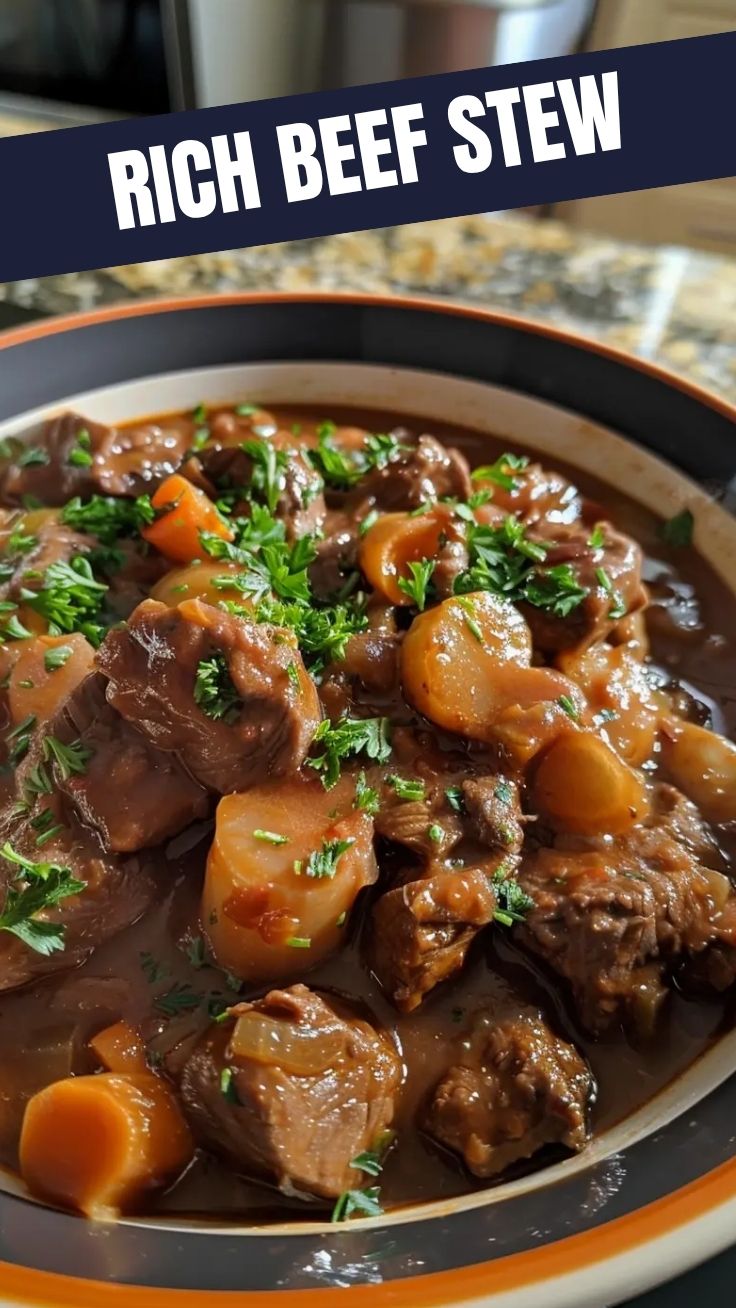
Are you ready to transform simple ingredients into a soul-warming masterpiece that will impress everyone at your dinner table? Forget bland, uninspired meals! This comprehensive guide will equip you with everything you need to create the most succulent, flavorful Beef Stew, a true culinary delight. Preparing this hearty dish at home is incredibly valuable; it allows for complete control over ingredients, ensures fresh, wholesome flavors, and offers a deeply satisfying cooking experience. We’re not just sharing a Recipe; we’re providing a culinary journey that will elevate your home cooking and bring joy to your kitchen.
Ingredients & Kitchen Tools
Crafting the perfect stew starts with selecting the right components and having the proper gear.
2 lbs Boneless Beef Chuck Roast: Cut into 1-inch cubes. This cut is ideal for stewing due to its marbling, which breaks down beautifully to create tender, flavorful meat. Substitution: Beef short ribs or top round for a leaner option.*
2 tablespoons Olive Oil: For searing the beef and sautéing vegetables. Clarification: Any neutral cooking oil works.*
- 1 large Yellow Onion: Chopped. Adds a foundational sweetness and aroma.
- 3 Carrots: Peeled and chopped into ½-inch pieces. Contributes natural sweetness and vibrant color.
- 3 Celery Stalks: Chopped into ½-inch pieces. Offers an earthy, aromatic note.
- 4 cloves Garlic: Minced. Provides a pungent, savory depth.
2 cups Beef Broth: Low sodium is preferred for better seasoning control. Forms the rich liquid base. Substitution: Vegetable broth for a lighter flavor profile.*
1 cup Dry Red Wine (e.g., Cabernet Sauvignon, Merlot): Optional, but highly recommended for deepening flavor. Clarification: The alcohol cooks off, leaving complex notes.*
- 1 can (14.5 oz) Diced Tomatoes: Undrained. Adds acidity and umami.
- 2 tablespoons Tomato Paste: Concentrated tomato flavor for richness.
- 1 tablespoon Worcestershire Sauce: A secret weapon for adding savory depth and tang.
- 2 Bay Leaves: Infuses the stew with a subtle, aromatic quality.
1 teaspoon Dried Thyme: Classic herb pairing with beef. Substitution: Fresh thyme, 1 tablespoon.*
- Salt and Freshly Ground Black Pepper: To taste, essential for seasoning every layer.
2 lbs Yukon Gold Potatoes: Peeled and cut into 1-inch chunks. Starchy and hold their shape well, absorbing flavors. Substitution: Red potatoes or sweet potatoes for a different texture/flavor.*
¼ cup All-Purpose Flour: For thickening the stew. Substitution: Cornstarch slurry for a gluten-free option.*
- Fresh Parsley: Chopped, for garnish. Adds freshness and color.
- Large Dutch Oven or Heavy-Bottomed Pot (6-8 quarts): Essential for even heat distribution and long, slow cooking.
- Wooden Spoon or Spatula: For stirring and scraping.
- Measuring Cups and Spoons: For accurate ingredient quantities.
- Sharp Knife and Cutting Board: For efficient prep.
Prep Time & Cooking Schedule
- Prep Time: 30 minutes (chopping vegetables, trimming beef)
- Cook Time: 2.5 – 3 hours (simmering until beef is fork-tender)
- Resting Time: 10 minutes (allowing flavors to meld before serving)
Plan your day accordingly; this dish is perfect for a lazy weekend afternoon or a meal prep session. The longer it simmers, the more the flavors develop, making it an ideal candidate for low-and-slow cooking.
Step-by-Step Instructions
Follow these clear steps to achieve a perfectly tender and flavorful stew every time.
1. Sear the Beef: Pat the beef cubes dry with paper towels. Season generously with salt and pepper. Heat olive oil in a large Dutch oven over medium-high heat. In batches, sear the beef until browned on all sides. This creates a deeply flavorful crust. Remove beef and set aside, leaving rendered fat in the pot.
2. Sauté Aromatics: Add chopped onions, carrots, and celery to the pot. Sauté for 5-7 minutes until softened. Stir in minced garlic and cook for another minute until fragrant.
3. Deglaze and Build Flavor: Stir in tomato paste and cook for 1-2 minutes. Pour in red wine (if using) and scrape up any browned bits from the bottom of the pot. Cook until the wine has mostly evaporated. This crucial step adds immense depth to your Beef Stew.
4. Simmer and Thicken: Return the seared beef to the pot. Add beef broth, diced tomatoes (undrained), Worcestershire sauce, bay leaves, and dried thyme. Bring to a simmer, then reduce heat to low, cover, and cook for 1.5 hours.
5. Add Potatoes & Finish Cooking: After 1.5 hours, add the cut potatoes to the pot. Re-cover and continue to cook for another 45-60 minutes, or until the beef and potatoes are fork-tender.
6. Thicken (Optional): In a small bowl, whisk together ¼ cup flour with ¼ cup cold water to form a slurry. Slowly stir the slurry into the simmering stew. Cook for 5-10 minutes, stirring occasionally, until the stew has thickened to your desired consistency. For a truly rich and unctuous Recipe, don’t rush this step.
7. Season and Serve: Remove bay leaves. Taste and adjust seasoning with salt and pepper as needed. Garnish with fresh parsley before serving.
Nutritional Benefits & Advantages
This hearty stew isn’t just delicious; it’s packed with goodness! Beef chuck roast provides a significant source of high-quality protein, iron, and zinc, essential for energy and immune function. The abundance of vegetables like carrots, celery, and potatoes offers a spectrum of vitamins, minerals, and dietary fiber, promoting digestive health. Cooking your own stew ensures you control sodium levels and avoid artificial additives often found in store-bought versions. It’s a complete meal that nourishes both body and soul.
Tips, Variations & Cooking Advice
- Slow Cooker Adaptation: After searing the beef and sautéing the aromatics, transfer everything to a slow cooker. Cook on low for 6-8 hours or on high for 3-4 hours. Thicken at the end if desired.
- Herb Variations: Experiment with rosemary, sage, or marjoram for different aromatic profiles.
- Vegetable Swaps: Add parsnips, mushrooms, or peas during the last hour of cooking for added variety.
- Spicier Kick: A pinch of red pepper flakes can add a subtle heat.
- Gluten-Free: Omit the flour and use a cornstarch slurry (1 tablespoon cornstarch mixed with 2 tablespoons cold water) to thicken.
- Dairy-Free: This recipe is naturally dairy-free!
Common Mistakes to Avoid
- Not Searing the Beef: Skipping this step means missing out on a crucial layer of flavor. Browning creates the Maillard reaction, developing deep savory notes.
- Overcrowding the Pot: When searing beef, cook in batches to ensure browning, not steaming.
- Not Deglazing: Those browned bits at the bottom of the pot are pure flavor. Always scrape them up with liquid!
- Adding Potatoes Too Early: Potatoes can become mushy if added at the very beginning of a long cook time.
- Skipping the Rest: Letting the stew rest allows the flavors to meld and the liquids to settle, resulting in a more cohesive dish.
Storage & Meal Prep Tips
Leftover Beef Stew often tastes even better the next day!
- Refrigeration: Store cooled stew in airtight containers in the refrigerator for up to 3-4 days.
- Freezing: This stew freezes beautifully. Portion into freezer-safe containers or bags and freeze for up to 3 months. Thaw overnight in the refrigerator before reheating.
- Reheating: Reheat gently on the stovetop over medium-low heat, stirring occasionally, until heated through. Add a splash of broth or water if it’s too thick. For individual portions, microwave on medium power, stirring every minute.
Conclusion
Mastering this ultimate Beef Stew Recipe is a rewarding experience, yielding a dish that’s rich in flavor, tender in texture, and incredibly comforting. With our detailed guide, you’re now equipped to create a memorable meal that will become a staple in your culinary repertoire. We encourage you to try this recipe and share your delicious results! Explore our other hearty recipes for more home-cooked inspiration.
FAQs
Q1: Can I make this stew in advance?
A1: Absolutely! Beef stew is a perfect make-ahead meal as the flavors deepen overnight. Prepare it a day in advance and reheat gently before serving.
Q2: My stew isn’t thickening. What can I do?
A2: Ensure you’ve used the flour slurry. If it’s still too thin, mix another small amount of cornstarch (1 tablespoon) with cold water (2 tablespoons) and slowly whisk it into the simmering stew. Cook for 5-10 minutes.
Q3: What’s the best type of potato for beef stew?
A3: Yukon Gold potatoes are excellent as they hold their shape well and have a buttery texture. Red potatoes are another good option. Avoid starchy russet potatoes unless you prefer them to break down and further thicken the stew.
Q4: Can I add other vegetables?
A4: Yes! Feel free to add mushrooms, parsnips, turnips, or even frozen peas (added in the last 10-15 minutes of cooking) for extra nutrition and flavor.
Q5: How do I prevent the beef from being tough?
A5: The key is slow cooking. Ensure the stew simmers gently for the recommended time until the beef chuck is fork-tender. Don’t rush the process, and make sure the beef is cut into uniform sizes for even cooking.
Proven Way to Grow Beef Stew
Ingredients
Equipment
Method
- Pat the beef dry with paper towels, then toss it with flour, salt, and pepper until coated.
- Heat olive oil in a large Dutch oven over medium-high heat. Sear the beef in batches until browned on all sides, then remove and set aside.
- Add the chopped onion, carrots, and celery to the Dutch oven and cook until softened, about 5-7 minutes.
- Stir in the minced garlic and cook for another minute until fragrant.
- Return the beef to the pot, then pour in the beef broth and red wine (if using).
- Stir in the tomato paste, Worcestershire sauce, dried thyme, and bay leaves.
- Bring the stew to a simmer, then reduce heat to low, cover, and cook for 1.5 to 2 hours, or until the beef is tender.
- Add the cubed potatoes and continue to cook for 20-30 minutes, or until the potatoes are fork-tender.
- Remove the bay leaves from the stew and season with additional salt and pepper to taste.
- Serve hot, optionally garnished with fresh parsley or a dollop of sour cream.