The Ultimate Guide to Making Restaurant-Quality Teriyaki Chicken at Home
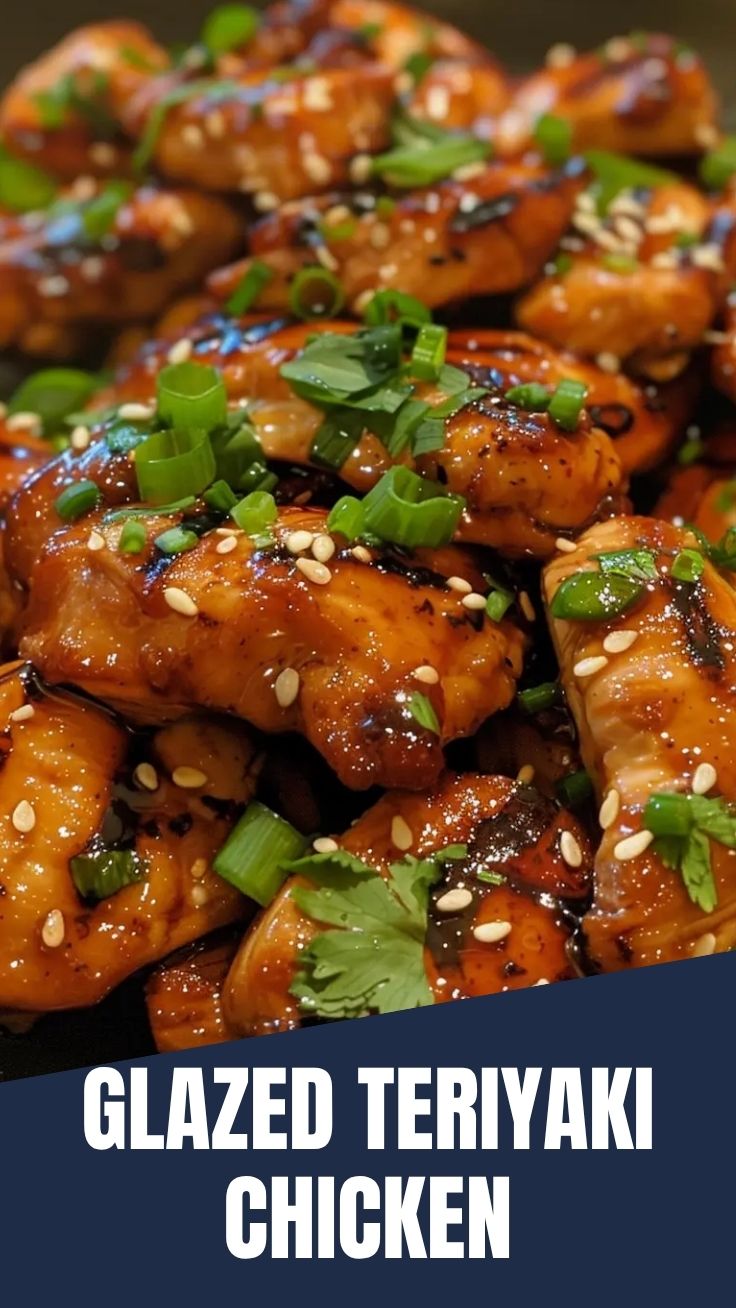
Have you ever wondered why your homemade stir-fry never quite matches the glossy, flavor-packed dishes from your favorite Asian restaurant? The secret isn’t a hidden ingredient—it’s technique. Learning to prepare Teriyaki Chicken at home transforms your weeknight dinners from ordinary to extraordinary, saving you money while delivering superior flavor control. The beauty of this recipe lies in its perfect balance of savory and sweet, achieved through a carefully crafted sauce that caramelizes into a beautiful glaze. Whether you’re craving a quick meal or meal-prepping for the week, mastering this dish gives you a versatile protein that pairs beautifully with rice, noodles, or even a fresh salad. Speaking of versatility, if you’re looking for a lighter alternative, Grilled Chicken offers a similar protein boost with a smoky twist that complements these Asian flavors beautifully.
Ingredients & Kitchen Tools
For the Chicken & Marinade:
– Boneless, skinless chicken thighs (1.5 lbs) – Thighs stay juicier than breasts during cooking; substitute with breasts if preferred
– Soy sauce (1/3 cup) – Use low-sodium for better salt control; tamari works for gluten-free
– Mirin (2 tablespoons) – Japanese sweet rice wine; substitute with dry sherry + sugar
– Honey (3 tablespoons) – Provides natural sweetness and helps caramelization
– Rice vinegar (1 tablespoon) – Adds brightness; apple cider vinegar works in a pinch
– Fresh ginger (1 tablespoon, grated) – Ground ginger works but fresh is superior
– Garlic (3 cloves, minced) – Adjust to taste; garlic powder works if fresh is unavailable
– Cornstarch (1 tablespoon) – For thickening; arrowroot powder is a great alternative
Kitchen Tools:
– Large skillet or wok (non-stick recommended)
– Whisk and small bowl for sauce
– Sharp knife and cutting board
– Tongs for flipping
– Meat thermometer (optional but helpful)
Prep Time & Cooking Schedule
Total time: 35 minutes (15 minutes active prep, 15 minutes cooking, 5 minutes resting)
– Marinating time: Minimum 15 minutes (overnight for deeper flavor)
– Prep time: 15 minutes (cut chicken, make sauce, grate ginger)
– Cooking time: 12–15 minutes total
– Resting time: 5 minutes before slicing
Plan ahead by preparing your sauce and cutting vegetables while the chicken marinates. This recipe moves quickly once you start cooking, so having everything ready prevents burning or overcooking.
Step-by-Step Instructions
Step 1: Prepare the Chicken – Cut chicken thighs into bite-sized pieces (1.5-inch chunks). Pat dry with paper towels – this is crucial for proper searing. Season lightly with salt and pepper.
Step 2: Make the Sauce – Whisk together soy sauce, mirin, honey, rice vinegar, grated ginger, and minced garlic in a small bowl. Reserve half for later; use half for marinating.
Step 3: Marinate – Combine chicken with half the sauce mixture. Marinate for 15–30 minutes at room temperature or up to 8 hours refrigerated. Do not exceed 8 hours as the acid will begin breaking down the meat texture.
Step 4: Sear the Chicken – Heat 1 tablespoon oil in a large skillet over medium-high heat until shimmering. Add chicken in a single layer (work in batches if needed). Cook 4–5 minutes per side until golden brown and internal temperature reaches 165°F. The key to perfect Teriyaki Chicken is achieving that deep caramelization without burning – adjust heat if the sugar in the marinade starts darkening too quickly.
Step 5: Glaze – Reduce heat to medium-low. Pour in the reserved sauce mixed with cornstarch slurry (1 tablespoon cornstarch + 2 tablespoons water). Stir constantly for 2–3 minutes until sauce thickens and coats each piece. For an equally satisfying protein option, Grilled Chicken prepared with this same glaze offers wonderful charred notes.
Step 6: Rest and Serve – Remove from heat, let rest 5 minutes. Garnish with sesame seeds and sliced green onions. Serve over steamed rice or alongside stir-fried vegetables.
Nutritional Benefits & Advantages
This homemade Teriyaki Chicken provides significant nutritional advantages over takeout versions. Each serving (4 ounces chicken with sauce) contains approximately 280 calories, 32g protein, 12g fat, and 14g carbohydrates. The chicken thighs deliver excellent B vitamins, particularly B6 and B12, supporting energy metabolism and red blood cell formation. Ginger provides anti-inflammatory compounds called gingerols, while garlic offers immune-supporting allicin. By preparing this at home, you control sodium levels – restaurant versions often contain 800–1200mg per serving, while homemade versions average 400–500mg. The protein content supports muscle maintenance and satiety, making this an excellent post-workout meal option.
Tips, Variations & Cooking Advice
Flavor Variations:
– Spicy version: Add 1 tablespoon sriracha or red pepper flakes to the sauce
– Citrus twist: Replace rice vinegar with fresh orange juice and add orange zest
– Sesame ginger: Add 1 tablespoon sesame oil and extra ginger
Dietary Adaptations:
– Gluten-free: Use tamari or coconut aminos instead of soy sauce; ensure cornstarch is pure
– Dairy-free: This recipe is naturally dairy-free
– Low-sugar: Reduce honey to 1 tablespoon and add 1 tablespoon monk fruit sweetener
Alternative Cooking Methods:
– Baking: Arrange marinated chicken on a lined baking sheet, bake at 400°F for 20 minutes, then brush with sauce and broil 2–3 minutes
– Air fryer: Cook at 375°F for 12–14 minutes, shaking halfway through
– Slow cooker: Cook on low 4–5 hours, then thicken sauce on stovetop
Common Mistakes to Avoid
Mistake 1: Overcrowding the Pan – Adding too much chicken at once drops the pan temperature, causing steaming instead of searing. Solution: Cook in batches, leaving space between pieces.
Mistake 2: Burning the Sauce – The sugar in honey and mirin burns easily at high heat. Solution: Add sauce at medium-low heat and stir constantly once added.
Mistake 3: Skipping the Rest Time – Cutting chicken immediately releases juices onto the plate. Solution: Always rest 5 minutes before slicing to retain moisture.
Mistake 4: Using Cold Chicken – Cold meat sears unevenly and releases more liquid. Solution: Let chicken sit at room temperature 15 minutes before cooking.
Storage & Meal Prep Tips
Refrigeration: Store cooled Teriyaki Chicken in an airtight container for 3–4 days. Keep sauce separate if possible to prevent the chicken from becoming soggy upon reheating.
Freezing: Freeze in portion-sized containers or bags for up to 3 months. Thaw overnight in the refrigerator. The sauce may separate slightly but will re-emulsify when reheated.
Reheating Instructions:
– Stovetop (best method): Reheat in a skillet over medium heat with 1 tablespoon water or additional sauce, stirring 3–4 minutes
– Microwave: Cover with a damp paper towel, heat in 30-second intervals, stirring between
– Avoid: Reheating at high power or for extended periods, which dries out the chicken
Meal Prep Tip: Cook a double batch of chicken and portion with rice and vegetables for 4–5 grab-and-go lunches. The flavors actually improve after 24 hours as the sauce continues to penetrate the meat.
Conclusion
Mastering this Teriyaki Chicken recipe transforms your home cooking with minimal effort and maximum flavor payoff. The balance of savory soy, sweet honey, and aromatic ginger creates a dish that rivals any takeout while giving you complete control over ingredients and nutrition. Whether you stick with the classic preparation or experiment with Grilled Chicken variations, this versatile recipe deserves a permanent spot in your weekly rotation. The techniques you’ve learned here – proper searing, sauce thickening, and temperature management – apply to countless other Asian-inspired dishes. Try this recipe tonight, and don’t hesitate to adjust the sweetness or spiciness to match your preference. Share your results and creative variations in the comments below – your perfect version might inspire another home cook’s new favorite dinner.
Frequently Asked Questions
Can I use chicken breast instead of thighs?
Yes, but reduce cooking time by 2–3 minutes and watch carefully to prevent drying. Pound breasts to even thickness for consistent cooking.
Why is my teriyaki sauce not thickening?
Your cornstarch slurry might be too thin or you may not have cooked it long enough. Whisk 1 tablespoon cornstarch with 1.5 tablespoons cold water, add to simmering sauce, and cook 2–3 minutes while stirring.
How do I make this recipe less sweet?
Reduce honey to 1–2 tablespoons and add an extra tablespoon of rice vinegar. You can also substitute half the honey with a sugar-free alternative like monk fruit sweetener.
Can I prep this recipe in advance for a dinner party?
Absolutely. Marinate chicken up to 8 hours ahead, prepare sauce separately, and have garnishes prepped. Cook just before serving for best texture.
What side dishes pair best with teriyaki chicken?
Steamed jasmine rice, stir-fried bok choy, cucumber salad with rice vinegar, or simple steamed edamame all complement the flavors beautifully.
Proven way to grow 5 star Teriyaki Chicken Teriyaki Chicken
Ingredients
Equipment
Method
- Cut chicken thighs into 1-inch pieces.
- In a bowl, whisk together soy sauce, mirin, sake, sugar, grated ginger, and minced garlic.
- Add chicken to the marinade, ensuring it's thoroughly coated, then marinate for at least 30 minutes in the refrigerator.
- Heat a large skillet or wok over medium-high heat and add a bit of oil.
- Remove chicken from marinade, reserving the marinade, and cook chicken until browned and cooked through.
- In a small bowl, dissolve cornstarch in water.
- Pour reserved marinade into the skillet, bring to a simmer, then stir in cornstarch mixture and cook until the sauce thickens.
- Return cooked chicken to the skillet, toss to coat with the thickened teriyaki sauce, and serve immediately.