The Ultimate Healthy Fruit Salad That’s Bursting with Flavor and Nutrition
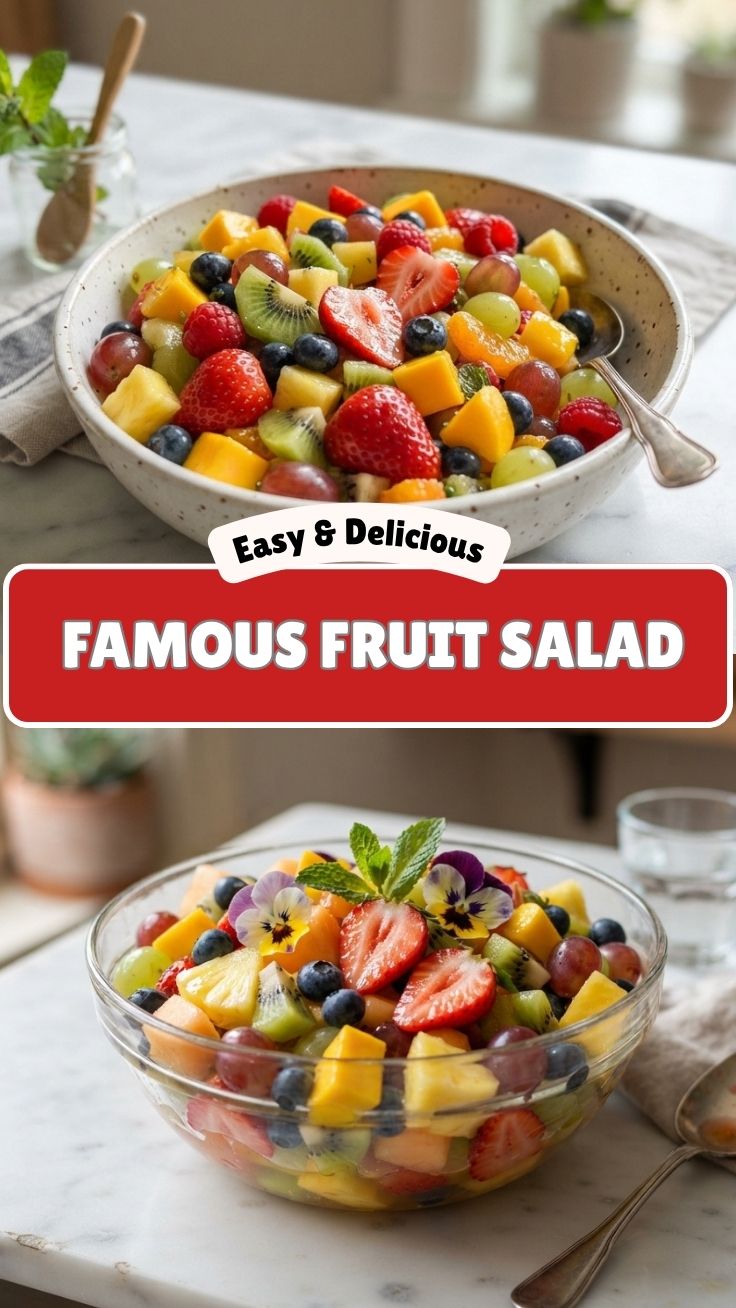
Have you ever wondered why some fruit salads taste like a bowl of sugary syrup while others feel like a vibrant, refreshing health bomb? The secret isn’t just the fruit—it’s the balance of textures, flavors, and seasonings. Preparing a Fruit Salad at home lets you control every ingredient, ensuring you get a burst of natural sweetness without hidden additives. Within the first 100 words, you’ll discover why this recipe is a game-changer for your daily nutrition, and today, we’re focusing on a healthy fruit mix that’s as delicious as it is nourishing. Whether you’re a seasoned home cook or a beginner, this guide will help you create a masterpiece that’s both visually stunning and nutrient-dense.
—
Ingredients & Kitchen Tools
Ingredients
– 1 cup strawberries (hulled and halved) – Rich in vitamin C and antioxidants.
– 1 cup blueberries – Packed with fiber and low in sugar.
– 1 cup mango chunks (fresh or thawed frozen) – Adds tropical sweetness and vitamin A.
– 1 cup kiwi slices (peeled) – Provides tanginess and digestive enzymes.
– 1/2 cup pomegranate seeds – For crunch, color, and anti-inflammatory benefits.
– 2 tablespoons fresh lime juice – Prevents browning and adds brightness.
– 1 tablespoon honey (or maple syrup for vegan option) – Enhances natural sweetness.
– 1 teaspoon fresh mint leaves (chopped) – Adds a cooling finish.
– Optional substitution: Swap mango for orange segments or use agave nectar instead of honey.
Kitchen Tools
– Large mixing bowl – Best glass or stainless steel to avoid reactions.
– Sharp chef’s knife – For precise fruit cutting.
– Cutting board – Preferably with a juice groove.
– Measuring spoons – For accurate dressing amounts.
– Zester or microplane – If adding lime zest for extra aroma.
—
Prep Time & Cooking Schedule
Prep Time: 15 minutes
Resting Time: 10 minutes (optional, allows flavors to meld)
Total Time: 25 minutes
Planning tip: Prep the dressing (lime juice + honey) first, then cut fruits in order of firmness (e.g., mango first, berries last). This prevents crushing delicate berries. If you’re in a rush, skip the resting time—the salad is still fantastic immediately.
—
Step-by-Step Instructions
1. Prepare the Dressing: In a small bowl, whisk together 2 tablespoons fresh lime juice and 1 tablespoon honey until fully dissolved. Set aside.
2. Cut Firm Fruits First: Dice mango into 1/2-inch cubes. Slice kiwi into half-moons. Place in a large mixing bowl.
3. Add Delicate Fruits: Gently fold in halved strawberries, blueberries, and pomegranate seeds. Be careful not to crush the berries.
4. Season and Toss: Drizzle the lime-honey dressing over the fruit. Sprinkle chopped mint and a pinch of salt (yes, salt enhances sweetness). Toss gently with a spatula.
5. Rest and Serve: Let the salad sit for 10 minutes at room temperature. This allows the flavors to marry without making the fruit soggy. Serve chilled or at room temperature.
Pro tip: For a more intense flavor, add a splash of orange juice or a dash of cinnamon. And remember—a great Fruit Salad relies on ripe but firm produce. Similarly, a healthy fruit mix should balance sweet, tart, and herbal notes for maximum appeal.
—
Nutritional Benefits & Advantages
This fruit salad is a powerhouse of nutrients:
– Vitamin C: Over 150% of the Daily Value (DV) per serving from kiwi and strawberries, supporting immune health.
– Fiber: Approx. 6 grams per serving from blueberries and pomegranate, aiding digestion.
– Antioxidants: Pomegranate seeds and blueberries help reduce inflammation and oxidative stress.
– Low Glycemic Index: The combination of low-sugar berries and fiber-rich fruits prevents blood sugar spikes.
– Hydration: Fruits are over 80% water, supporting skin and energy levels.
—
Tips Variations & Cooking Advice
– Flavor Swaps: Replace mint with basil for a peppery twist, or add a teaspoon of balsamic vinegar for depth.
– Dietary Adaptations: For gluten-free (already), dairy-free (already), or nut-free (already), no changes needed.
– Seasonal Variation: In winter, use citrus segments, apple slices, and pears. In summer, add watermelon or peaches.
– Portion Change: For a single serving, halve the recipe. For a crowd, double it and serve in a hollowed-out watermelon for a stunning presentation.
– Texture Boost: Add toasted coconut flakes or a handful of granola just before serving.
—
Common Mistakes to Avoid
1. Soggy Texture: Cutting fruit too far in advance releases juices. Solution: Assemble just before serving or rest for only 10 minutes.
2. Over-Dressing: Too much lime juice can overpower delicate fruits. Stick to 2 tablespoons per 4 cups of fruit.
3. Using Unripe Fruit: Hard, tart fruits ruin the balance. Taste-test your fruit before adding.
4. Skipping the Rest: Even 5 minutes helps flavors blend. Don’t serve immediately straight from the cutting board.
5. Not Chilling: Serve cold or at room temp—but never warm, as that releases juices prematurely.
—
Storage & Meal Prep Tips
– Refrigeration: Store in an airtight container for up to 24 hours. The fruit will soften and release juices, so it’s best eaten fresh.
– Freezing: Not recommended—frozen fruit becomes mushy upon thawing. Instead, prep washed, cut fruit separately and freeze individual portions for future smoothies.
– Reheating: This is a cold dish; no reheating needed. If you prefer a warm fruit compote, cook the fruit for 5 minutes on the stove.
– Meal Prep: On Sunday, wash and cut mango, kiwi, and pomegranate. Store them in separate containers. Combine with fresh berries and dressing on serving day for optimal texture.
—
Conclusion
Crafting a perfect Fruit Salad at home is simple, rewarding, and endlessly customizable. By focusing on a healthy fruit mix, you ensure every spoonful delivers vibrant flavor and vital nutrients. This recipe empowers you to skip the sugar-laden store versions and enjoy a dessert that’s truly good for you. Try it once, and you’ll never look back—share your creation with friends, experiment with seasonal fruits, and explore more no-cook recipes on our blog. Your taste buds and body will thank you.
—
FAQs
1. Can I use frozen fruit for this salad?
Yes, but thaw them completely and pat dry to avoid excess liquid. Frozen blueberries work well, but strawberries become mushy—use fresh berries instead.
2. How do I prevent apples or bananas from browning if I add them?
Toss them in a bit of extra lime juice or lemon juice immediately after cutting. Alternatively, add them just before serving.
3. Is this recipe suitable for diabetics?
Yes, with adjustments: use more berries (low sugar) and less mango or honey. You can also skip the honey altogether and rely on the fruit’s natural sweetness.
4. Can I make this ahead for a party?
Assemble the fruit (except strawberries and mint) up to 4 hours in advance. Add the dressing, berries, and mint just before serving to keep it vibrant.
5. What’s a good protein boost?
Add a dollop of Greek yogurt, a handful of chia seeds, or serve alongside cottage cheese for a more satiating snack.
Fruit Salad
Ingredients
Equipment
Method
- Gently wash all berries and grapes, then pat them dry.
- Dice the melon into bite-sized pieces, then peel and segment the orange.
- Slice the banana just before assembling to prevent browning.
- Combine all prepared fruits in a large mixing bowl.
- If desired, whisk together honey and lime juice to create a light dressing.
- Pour the dressing over the fruit and gently toss to coat.
- Serve immediately for the best freshness and flavor.