Master the Art of the Perfect Steak: Your Guide to a Flawless Steak (Pan-Seared Ribeye)
Ever dreamed of crafting a restaurant-quality Steak (Pan-Seared Ribeye) in your own kitchen? The allure of a perfectly cooked, juicy steak, with a beautiful crust and tender interior, is undeniable. Many home cooks shy away, deeming it too complicated, but we’re here to shatter that myth. Preparing a sumptuous Steak (Pan-Seared Ribeye) at home isn’t just about saving money; it’s about achieving unparalleled flavor, controlling the quality of your ingredients, and customizing it exactly to your liking. In this comprehensive guide, we’ll demystify the process of creating a sublime Pan-Seared masterpiece, ensuring your next steak night is nothing short of extraordinary. Get ready to impress your taste buds, family, and friends with a culinary experience that rivals any high-end steakhouse.
Ingredients & Kitchen Tools
- Ribeye Steak (1.5-inch thick, 12-16 oz per person): Opt for well-marbled cuts for maximum flavor and tenderness. Ribeye is known for its rich, buttery taste.
- Kosher Salt (1-2 tsp per steak): Essential for seasoning, drawing out moisture, and creating a crisp crust.
- Freshly Ground Black Pepper (1/2 – 1 tsp per steak): Adds a robust, aromatic kick.
- High Smoke Point Oil (1-2 tbsp, e.g., Grapeseed, Avocado, Canola): Crucial for achieving a beautiful sear without burning. Avoid olive oil for searing.
- Unsalted Butter (2-4 tbsp): For basting, adding richness and a nutty flavor.
- Garlic Cloves (3-4, smashed): Infuses the butter with aromatic depth during basting.
- Fresh Rosemary or Thyme Sprigs (2-3): Enhances the steaky flavor with herbaceous notes during basting.
- Cast Iron Skillet (or heavy-bottomed, oven-safe pan): Superior heat retention for an even, consistent sear.
- Tongs (long-handled): For safely flipping the steak and handling hot ingredients.
- Meat Thermometer (instant-read): The most accurate way to ensure perfect doneness.
- Cutting Board: For prepping and resting the steak.
- Sharp Knife: For slicing the cooked steak.
Prep Time & Cooking Schedule
- Prep Time: 15 minutes (includes bringing steak to room temperature)
- Cook Time: 8-12 minutes (depending on desired doneness)
- Resting Time: 10 minutes
To plan effectively, remove your ribeye from the refrigerator at least 30-45 minutes before cooking. This allows the steak to come closer to room temperature, ensuring a more even cook from edge to center. Season aggressively during this time. The cook time will be relatively quick, but the resting period is non-negotiable for juicy results.
Step-by-Step Instructions
1. Bring to Room Temperature & Season: Remove the Steak (Pan-Seared Ribeye) from the refrigerator 30-45 minutes before cooking. Pat it thoroughly dry with paper towels – moisture is the enemy of a good sear! Season generously on all sides with kosher salt and freshly ground black pepper.
2. Preheat Skillet: Place your cast iron skillet over high heat. Allow it to preheat for 5-7 minutes until it’s smoking slightly. This intense heat is crucial for developing a beautiful crust.
3. Add Oil & Sear: Add the high smoke point oil to the hot skillet, swirling to coat the bottom. Carefully place the Pan-Seared ribeye in the skillet. Do not move it! Sear for 2-3 minutes per side until a deep, dark brown crust forms. Use your tongs to sear the edges as well, about 30 seconds per side.
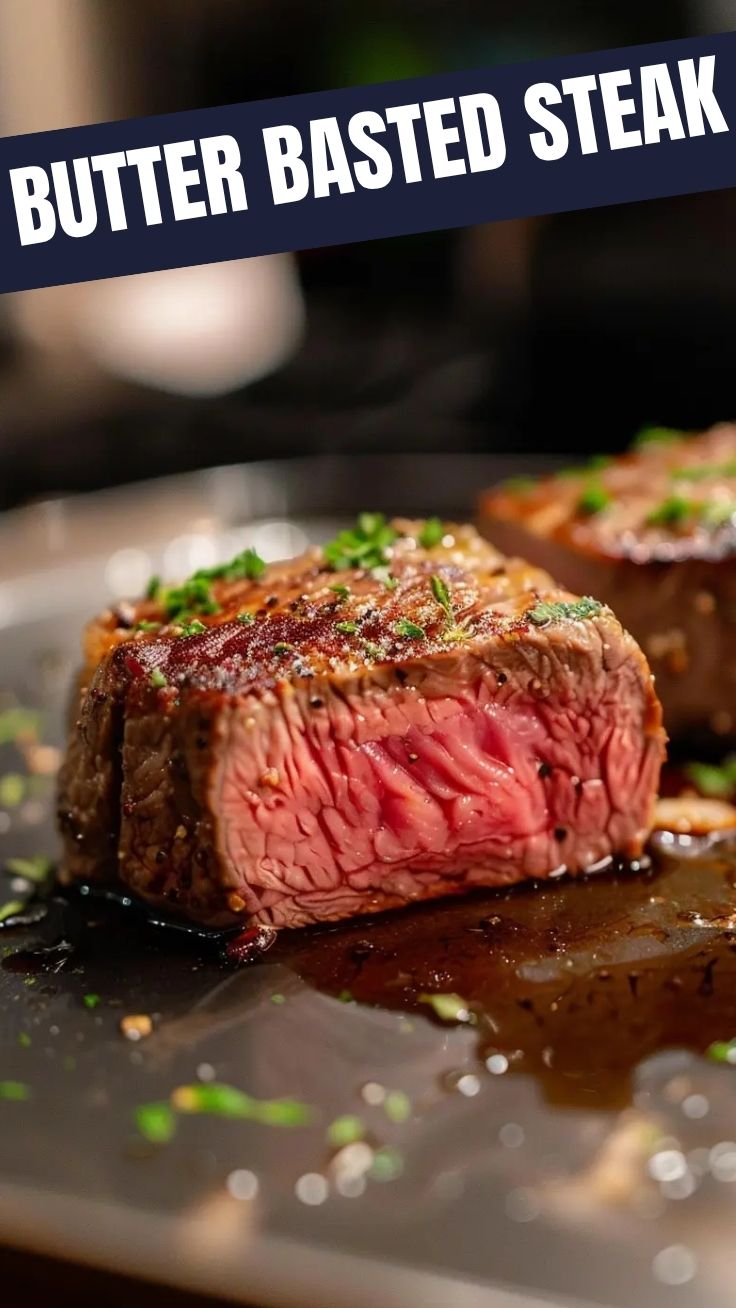
4. Reduce Heat & Baste: Reduce the heat to medium-low. Add the butter, smashed garlic, and herb sprigs to the skillet. Tilt the pan slightly and use a spoon to continuously baste the melted butter and aromatics over the steak for 2-4 minutes, or until it reaches your desired internal temperature.
* Rare: 125°F (52°C)
* Medium-Rare: 130-135°F (54-57°C)
* Medium: 135-140°F (57-60°C)
* Medium-Well: 140-145°F (60-63°C)
5. Rest the Steak: Transfer the cooked steak to a cutting board. Tent loosely with foil and let it rest for at least 10 minutes. This allows the juices to redistribute, ensuring a tender and moist steak.
6. Slice & Serve: Slice the steak against the grain into desired portions. Serve immediately and enjoy your perfectly cooked masterpiece!
Nutritional Benefits & Advantages
Ribeye steak, while often seen as an indulgence, offers significant nutritional benefits. It’s an excellent source of high-quality protein, essential for muscle repair and growth. Rich in iron, it helps prevent anemia and supports oxygen transport throughout the body. Additionally, ribeye provides crucial B vitamins (B6, B12, Niacin, Riboflavin) vital for energy metabolism and nervous system function. The healthy fats present contribute to satiety and aid in the absorption of fat-soluble vitamins. Preparing it with fresh herbs and quality oil also adds antioxidants and beneficial compounds, making for a wholesome and satisfying meal.
Tips, Variations & Cooking Advice
- Flavor Boosts: Before basting, add a splash of red wine or beef broth to the pan for an extra layer of flavor.
- Herb Variations: Experiment with different herbs like sage or marjoram for distinct aromatic profiles.
- Compound Butter: Prepare a compound butter in advance with garlic, herbs, and shallots, then add a pat to the steak during the resting period for intense flavor.
- Thicker Cuts: For steaks thicker than 1.5 inches, consider finishing them in a preheated oven (around 375°F/190°C) after searing, checking frequently with a meat thermometer.
- Dietary Adaptations: For a lower-fat option, trim excess fat from the ribeye before cooking.
Common Mistakes to Avoid
- Not Patting Dry: A wet steak will steam instead of sear, resulting in a gray, unappealing crust. Always pat thoroughly dry.
- Cold Steak: Cooking a cold steak leads to uneven cooking; the outside will be overcooked before the inside reaches desired doneness. Bring it to room temperature.
- Overcrowding the Pan: If cooking multiple steaks, work in batches. Overcrowding drops the pan temperature, preventing a proper sear.
- Skipping the Rest: Resting is crucial! Without it, all the delicious juices will leak out when you cut into the steak, leaving it dry.
- Guessing Doneness: An instant-read meat thermometer is your best friend. Don’t rely solely on touch or visual cues.
Storage & Meal Prep Tips
Leftover Steak (Pan-Seared Ribeye) can be stored in an airtight container in the refrigerator for up to 3-4 days. While it’s best enjoyed fresh, sliced leftover steak can be a delicious addition to salads, sandwiches, or even quick stir-fries. To reheat, gently warm sliced steak in a skillet over low heat with a touch of broth or butter to prevent drying it out. Avoid high heat reheating, which can make the steak tough. Freezing cooked steak is possible, but it may alter the texture.
Conclusion
Crafting the perfect Steak (Pan-Seared Ribeye) is a rewarding culinary journey that combines simple techniques with a dash of patience. By mastering the art of the Pan-Seared crust, precise temperature control, and the critical resting period, you’re well on your way to home-cooked perfection. Don’t let the simplicity fool you; these steps are the secret to a tender, juicy, and incredibly flavorful experience every time. We encourage you to try this recipe, experiment with the minor variations, and savor the magnificent results. Share your triumphs in the comments below – we’d love to hear how your steak turned out!
FAQs
1. Can I use a different cut of steak? Yes, while ribeye is highly recommended, you can apply this pan-searing technique to other cuts like New York strip, sirloin, or even filet mignon. Adjust cooking times based on thickness and marbling.
2. What if I don’t have a cast iron skillet? A heavy-bottomed stainless steel or oven-safe pan will work, though cast iron offers superior heat retention and a more even sear.
3. How do I clean a cast iron skillet after cooking steak? After the skillet cools slightly, scrub off any stuck-on bits with hot water and a stiff brush (no soap). Dry thoroughly on the stovetop over low heat, then apply a very thin layer of cooking oil to re-season.
4. My steak isn’t getting a good crust; what am I doing wrong? Ensure your steak is thoroughly dry before seasoning, your pan is ripping hot (smoking slightly), and you’re not moving the steak during the initial sear.
5. Is it safe to eat steak medium-rare? According to USDA guidelines, beef cooked to a minimum internal temperature of 145°F (63°C) and allowed to rest for 3 minutes is safe. However, many enjoy beef at lower doneness levels for flavor and texture, a personal preference.
Quick way to grow a Perfect Steak (Pan-Seared Ribeye) in 6 Steps
Ingredients
Equipment
Method
- Pat the steak dry with paper towels and season generously on all sides with salt and black pepper.
- Heat a cast-iron skillet over high heat until smoking, then add olive oil and swirl to coat the pan.
- Sear the steak for 2-3 minutes per side until a deep brown crust forms, adjusting heat as needed.
- Reduce heat to medium-low, add butter, smashed garlic, and rosemary to the pan, then continuously baste the steak with the melted butter for 3-5 minutes.
- Remove the steak from the skillet and let it rest on a cutting board for 5-10 minutes to allow the juices to redistribute.
- Slice the steak against the grain and serve immediately, optionally drizzled with the pan juices.