Beat the Heat with Fresh, Flavorful Low Calorie Summer Salads
Are you tired of heavy, calorie-laden meals that leave you feeling sluggish during the sweltering summer months? Imagine a plate bursting with crisp vegetables, zesty dressings, and satisfying protein—all without derailing your health goals. That’s the magic of preparing your own low calorie summer salads at home. Not only do you control every ingredient, but you also unlock endless possibilities for fresh, nutrient-dense meals that keep you energized. Whether you’re looking to shed a few pounds or simply eat cleaner, homemade salads offer unbeatable value. And if you’re craving something even lighter, exploring low carb salad ideas can transform your summer menu into a guilt-free celebration of flavor.
Ingredients & Kitchen Tools
For the Base Salad:
– 4 cups mixed greens (spinach, arugula, romaine) – rich in fiber and vitamins
– 1 cup cherry tomatoes, halved – adds sweetness and lycopene
– 1 cucumber, diced – hydrating and low in calories
– 1/2 red onion, thinly sliced – provides crunch and antioxidants
– 1 bell pepper, chopped – vitamin C powerhouse
– 1/2 cup cooked quinoa or chickpeas – optional protein boost
For the Dressing:
– 3 tbsp extra virgin olive oil – healthy fats for satiety
– 2 tbsp lemon juice – brightens flavors naturally
– 1 tsp Dijon mustard – emulsifier and flavor enhancer
– 1 clove garlic, minced – anti-inflammatory properties
– Salt and pepper to taste
Kitchen Tools:
– Large mixing bowl
– Chef’s knife and cutting board
– Salad spinner (optional but recommended)
– Whisk or jar for dressing
– Measuring spoons
Optional Substitutions: Swap quinoa for grilled chicken or tofu; use apple cider vinegar instead of lemon juice; add feta cheese for creaminess (adjust calories accordingly).
Prep Time & Cooking Schedule
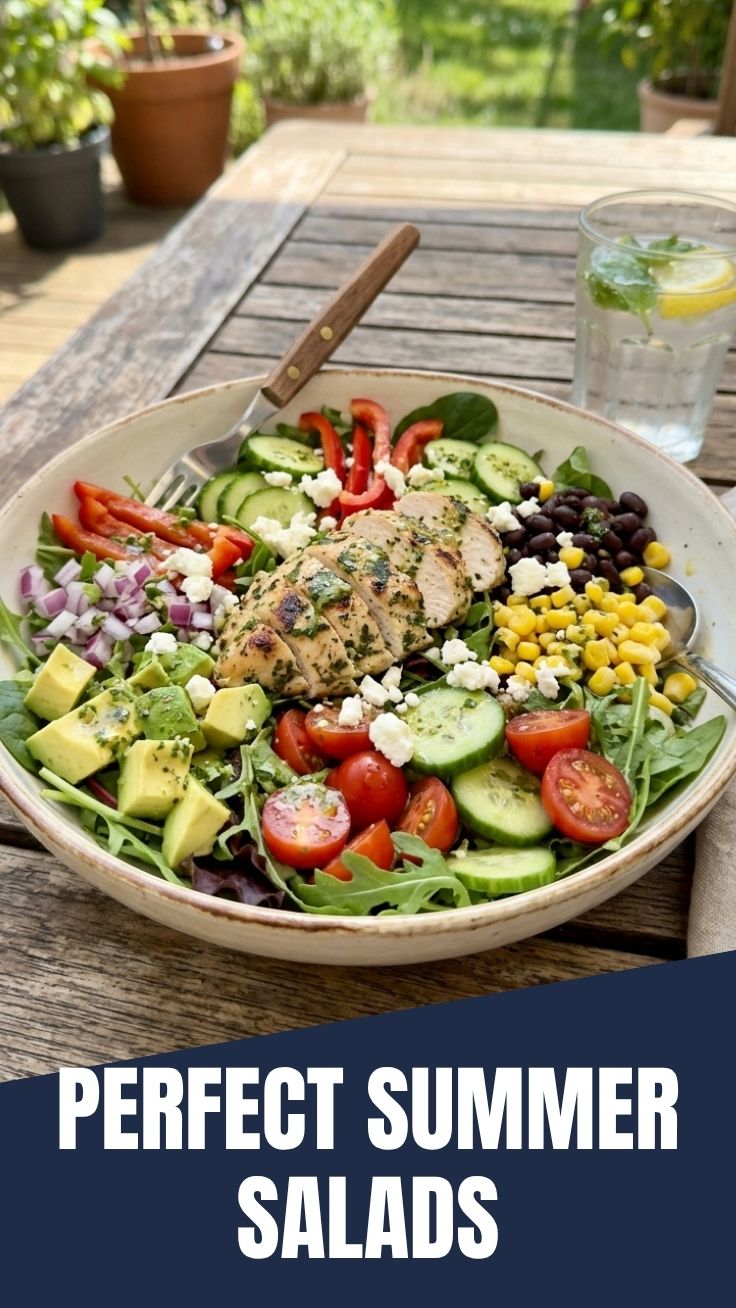
– Prep Time: 15 minutes
– Cook Time: 0 minutes (no-cook recipe)
– Resting Time: 5 minutes (optional, for flavors to meld)
– Total Time: 20 minutes
This salad comes together in under 20 minutes, making it perfect for busy weeknights or last-minute gatherings. The no-cook approach means you can prepare it even on the hottest days without turning on the stove. For best results, wash and dry your greens thoroughly—a salad spinner ensures crisp, non-soggy leaves.
Step-by-Step Instructions
1. Prepare the Greens: Wash and dry your mixed greens thoroughly. Tear larger leaves into bite-sized pieces and place them in a large mixing bowl. Pro tip: Dry greens help dressing cling better.
2. Chop the Vegetables: Dice cucumber, halve cherry tomatoes, slice red onion thinly, and chop bell pepper into uniform pieces. Uniform cuts ensure every bite has balanced flavor and texture.
3. Combine Ingredients: Add all chopped vegetables to the bowl with greens. If using quinoa or chickpeas, fold them in gently.
4. Make the Dressing: In a small jar or bowl, whisk together olive oil, lemon juice, Dijon mustard, minced garlic, salt, and pepper. Shake or whisk until emulsified.
5. Dress and Toss: Pour dressing over salad and toss gently with tongs or clean hands. Start with half the dressing and add more as needed—you can always add, but you can’t remove.
6. Rest and Serve: Let the salad sit for 5 minutes to allow flavors to marry. Serve immediately for maximum crunch.
For those seeking low calorie summer salads, this recipe delivers under 250 calories per serving. If you’re exploring low carb salad ideas, simply omit the quinoa or chickpeas to keep net carbs under 10g.
Nutritional Benefits & Advantages
This vibrant salad is a nutritional powerhouse. The mixed greens provide folate, vitamin K, and fiber, supporting digestion and heart health. Cherry tomatoes offer lycopene, a potent antioxidant linked to reduced inflammation. Cucumber and bell pepper contribute hydration and vitamin C, while olive oil supplies monounsaturated fats that aid nutrient absorption. At roughly 220 calories per serving (with quinoa), this dish supports weight management without sacrificing satisfaction. The high water content in vegetables also promotes fullness, making it an excellent choice for those monitoring their intake.
Tips Variations & Cooking Advice
– Flavor Variations: Add fresh herbs like basil, mint, or cilantro for an aromatic twist. Swap lemon juice for lime or orange juice to change the acidity profile.
– Protein Boost: Top with grilled shrimp, salmon, or hard-boiled eggs for a complete meal.
– Dietary Adaptations: This recipe is naturally gluten-free and dairy-free. For a vegan version, ensure your Dijon mustard is vegan-friendly.
– Portion Changes: Double the recipe for meal prep; store dressing separately to maintain crispness.
– Texture Upgrade: Toast nuts or seeds (almonds, sunflower seeds) and add just before serving for crunch.
Common Mistakes to Avoid
– Overdressing: Too much dressing makes salads soggy. Start with half and add gradually.
– Wet Greens: Moisture prevents dressing from adhering. Always dry greens thoroughly after washing.
– Skipping Salt: A pinch of salt enhances vegetable flavors. Don’t omit it, even if watching sodium—use sparingly.
– Adding Delicate Ingredients Too Early: Avocado, fresh herbs, or nuts should be added just before serving to prevent browning or sogginess.
– Ignoring Temperature: Chilled ingredients taste crisper. Refrigerate vegetables for 15 minutes before assembling.
Storage & Meal Prep Tips
Store undressed salad in an airtight container lined with paper towels to absorb excess moisture. Keep dressing in a separate jar. Refrigerate for up to 2 days—beyond that, greens may wilt. For meal prep, portion ingredients into containers and add dressing only when ready to eat. Avoid freezing, as vegetables lose their crisp texture upon thawing. To revive leftover dressed salad, add a splash of lemon juice and toss gently.
Conclusion
Creating fresh, satisfying meals at home doesn’t have to be complicated. This recipe proves that low calorie summer salads can be both delicious and effortless, helping you stay on track with your wellness goals. By incorporating low carb salad ideas, you can customize every bowl to fit your dietary needs without sacrificing flavor. We encourage you to try this recipe, share your creations on social media, or explore more seasonal dishes that celebrate fresh, wholesome ingredients. Your taste buds—and your body—will thank you.
FAQs
Q: Can I make this salad ahead of time?
A: Yes, but store dressing separately and add just before serving to prevent sogginess. Prepped ingredients last 2 days in the fridge.
Q: What’s the best protein to add for a complete meal?
A: Grilled chicken, shrimp, tofu, or chickpeas work wonderfully. Adjust cooking time based on your protein choice.
Q: How can I reduce calories further?
A: Use less oil (2 tbsp instead of 3) or swap for a vinegar-based dressing. Omit quinoa or chickpeas to cut carbs and calories.
Q: My dressing separated—what went wrong?
A: Emulsions need vigorous whisking. Use a jar with a tight lid and shake vigorously for 30 seconds. Adding mustard helps stabilize.
Q: Can I use bottled dressing?
A: Yes, but homemade dressing has fewer preservatives and less sugar. If using bottled, choose vinaigrettes over creamy options for lower calories.
3 Low Calorie Summer Salads
Ingredients
Equipment
Method
- Combine chopped cucumber, halved cherry tomatoes, crumbled feta cheese, and fresh mint in a medium bowl.
- Whisk together lemon juice, olive oil, salt, and pepper to create the dressing and pour it over the salad.
- Toss gently to combine all ingredients, then serve immediately or chill before serving.
- In a large bowl, combine the cubed watermelon, arugula, and thinly sliced red onion.
- Drizzle balsamic glaze over the salad and sprinkle with crumbled feta cheese.
- Gently toss to mix and serve chilled for a refreshing experience.
- In a large bowl, combine cooked quinoa, rinsed black beans, corn, diced red bell pepper, diced red onion, and chopped cilantro.
- In a small bowl, whisk together lime juice, olive oil, cumin, salt, and pepper to make the dressing.
- Pour the dressing over the quinoa mixture and toss thoroughly to ensure everything is well coated.