The Ultimate Guide to Perfecting New York Cheesecake at Home
Have you ever wondered what separates a truly sublime New York Cheesecake from a mediocre one? The answer lies in the balance of rich, creamy texture and a slightly tangy finish that only comes from precise technique and high-quality ingredients. Whether you’re a seasoned baker or a curious novice, mastering this iconic dessert at home is not only rewarding but also surprisingly achievable with the right guidance. In this comprehensive guide, we’ll explore every detail—from essential tools to foolproof methods—so you can serve a slice of heaven that rivals any bakery. And because the world of cheesecake is wonderfully diverse, we’ll also touch on its close cousin, the [Philadelphia Cheesecake](https://rapidorecetas.com/new-york-cheesecake/), to help you understand the subtle differences and choose your perfect version.
Ingredients & Kitchen Tools
For the Crust
– 1 ½ cups graham cracker crumbs – You can substitute digestive biscuits or shortbread.
– ¼ cup granulated sugar – Balances the slight bitterness of the crackers.
– ½ cup unsalted butter, melted – Use salted butter if you reduce added salt elsewhere; this binds the crust.
– Optional: Pinch of cinnamon or nutmeg for warmth.
For the Cheesecake Filling
– 4 packages (8 oz each) cream cheese – Must be full-fat and at room temperature for silky smoothness. Low-fat will alter texture.
– 1 ¼ cups granulated sugar – Do not reduce drastically without adjusting liquid balance.
– ½ cup sour cream – Adds tang and tenderness; Greek yogurt works as a substitute.
– 2 teaspoons vanilla extract – Pure extract gives the best flavor.
– 5 large eggs – Room temperature; cold eggs can cause lumps.
– ⅓ cup heavy cream – Enhances richness; may be omitted for a slightly denser cake.
– 1 teaspoon lemon zest (optional) – Brightens the flavor.
Kitchen Tools
– 9-inch springform pan – Essential for easy removal.
– Electric hand mixer or stand mixer – Hand mixing is possible but risks overworking the batter.
– Large mixing bowls – At least two for crust and filling.
– Measuring cups and spoons
– Rubber spatula – For folding and scraping.
– Aluminum foil – Double-wrap the pan base for water bath.
– Roasting pan (larger than springform) – For the water bath.
– Food processor (optional) – For finer crumbs.
Prep Time & Cooking Schedule
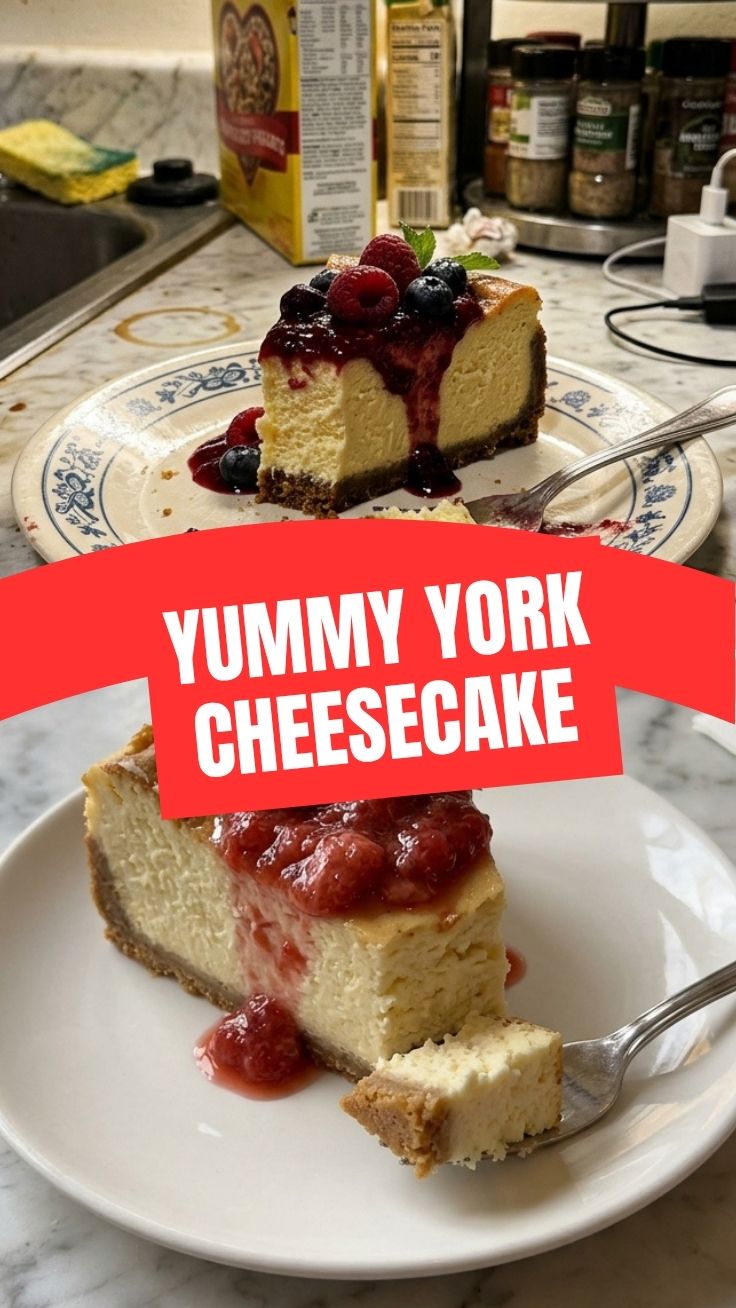
Planning is key to a stress-free baking experience. Here’s the time breakdown:
– Prep Time: 25 minutes (including crust preparation and bringing ingredients to room temperature)
– Crust Bake Time: 10 minutes at 325°F (optional but recommended for a crispier base)
– Cheesecake Bake Time: 55–65 minutes at 325°F
– Cooling Time: 1 hour in the oven (door cracked), then 1 hour at room temperature
– Chilling Time: Minimum 4 hours, preferably overnight – This step is non-negotiable for perfect slices.
Why this schedule works: The slow cooling and extended refrigeration allow the proteins to set without cracking, while the flavors meld into a harmonious richness. Start your cheesecake in the morning or the day before you plan to serve.
Step-by-Step Instructions
1. Prepare the crust: Combine graham cracker crumbs and sugar in a bowl. Pour in melted butter and mix until all crumbs are moistened. Press firmly into the bottom of a springform pan lined with parchment paper. Bake at 325°F for 10 minutes. Remove and cool completely.
2. Prevent leaks: Wrap the outside of the springform pan with a double layer of heavy-duty aluminum foil, making sure it reaches up the sides. This will protect the cheesecake from water during the bath.
3. Make the filling: In a large bowl, beat the room-temperature cream cheese with an electric mixer on medium speed until smooth (about 2 minutes). Avoid overbeating to prevent incorporating too much air.
4. Add sugar and flavorings: Gradually add sugar, then sour cream, vanilla, and lemon zest. Beat just until combined, scraping down the bowl often.
5. Add eggs one at a time: Reduce mixer speed to low and add each egg, mixing until just incorporated after each addition. Finally, stir in the heavy cream by hand with a spatula.
6. Bake in water bath: Pour the filling over the cooled crust. Place the foil-wrapped pan into a roasting pan. Pour hot (not boiling) water halfway up the sides of the springform pan. Bake at 325°F for 55–65 minutes, until the center is almost set but still jiggles slightly (like Jell-O). Overbaking leads to cracks.
> Pro tip: For a truly authentic New York Cheesecake, resist the urge to open the oven door during baking. Meanwhile, if you prefer a lighter, fluffier version often associated with a Philadelphia Cheesecake, you can swap sour cream for an equal amount of heavy cream and fold in two beaten egg whites for extra lift. This small adjustment transforms the texture.
7. Cool gradually: Turn off the oven, crack the door open, and let the cheesecake sit inside for 1 hour. Then remove and cool completely on a wire rack.
8. Chill: Cover with plastic wrap and refrigerate for at least 4 hours (overnight is best). Run a knife around the edge before releasing the springform.
Nutritional Benefits & Advantages
A classic New York Cheesecake is an indulgence, but it also offers some surprising nutritional highlights when enjoyed in moderation:
– Calcium: Cream cheese and sour cream provide bone-strengthening calcium.
– Protein: Each slice contains about 8–10 grams of protein from eggs and dairy.
– Vitamin A and B12: Essential for vision and energy metabolism.
– Satiety: The high fat and protein content helps keep you full longer, making smaller portions more satisfying.
While it’s not a health food, you can reduce sugar by 25% without compromising texture. For a lighter version, try using low-fat cream cheese and Greek yogurt, but note that the classic dense richness will be altered.
Tips Variations & Cooking Advice
– Flavor variations: Add melted dark chocolate into half the batter for a marble effect; swirl in caramel or berry compote before baking.
– Gluten-free option: Use gluten-free graham crackers or ground almonds mixed with butter for the crust.
– Dairy-free version: Substitute with plant-based cream cheese (e.g., Miyoko’s), coconut cream instead of sour cream, and almond milk in place of heavy cream. Texture will be slightly softer.
– No water bath method: Place a shallow pan of hot water on the lower oven rack to create steam; this reduces cracking risk without the bath.
– Mini cheesecakes: Pour batter into a lined muffin tin and bake for 18–22 minutes; adjust chilling time accordingly.
Common Mistakes to Avoid
1. Cracked surface: Usually caused by overbaking or drastic temperature changes. Always use a water bath and cool slowly.
2. Soggy crust: Caused by pouring the filling while the crust is still warm. Let the crust cool completely.
3. Dense, heavy texture: Overmixing the batter after adding eggs incorporates too much air. Mix on low speed only until combined.
4. Cheesecake sticks to pan: Always grease the sides with butter or line with parchment. Run a knife around the edge before chilling.
5. Uneven baking: If the center is still very loose while edges are puffy, your oven temperature may be too high. Use an oven thermometer for accuracy.
Storage & Meal Prep Tips
– Refrigeration: Store in an airtight container for up to 5 days. Place a paper towel on top and beneath to absorb excess moisture.
– Freezing: Yes! Wrap the whole cheesecake (or individual slices) tightly in plastic wrap, then foil. Freeze for up to 2 months. Thaw overnight in the refrigerator.
– Reheating: Serve cold for classic texture, or let slices sit at room temperature for 15 minutes. If you desire warm cheesecake, microwave individual slices for 10–15 seconds—no longer, or the texture breaks down.
– Topping tips: Add fresh berries, whipped cream, or fruit sauce just before serving to keep the crust crisp.
Conclusion
Mastering the art of a New York Cheesecake is a journey of patience and precision, but the reward is a dessert that stands proudly at any gathering. Whether you stick with the dense, tangy classic or experiment with the lighter interpretation of a Philadelphia Cheesecake, the techniques you’ve learned here will guarantee consistent results. Now it’s your turn—preheat the oven, soften the cream cheese, and create a cheesecake that will have everyone asking for your secret. Share your results in the comments or tag us in your photos; we’d love to see your beautiful creation!
FAQs
1. Can I use low-fat cream cheese for this recipe?
Yes, but the texture will be less creamy and more prone to cracking. Full-fat cream cheese is strongly recommended for the classic result.
2. How do I know when my cheesecake is done?
The center should wobble like Jell-O when you gently shake the pan. The internal temperature should be around 150°F (65°C). It will continue to set as it cools.
3. Can I skip the water bath?
You can, but the risk of cracking increases. Place a pan of hot water on the bottom rack to create steam, and bake at a slightly lower temperature (300°F) for a longer time.
4. Why did my cheesecake sink in the middle?
This often happens if the batter is overmixed (too much air), if the oven was opened during baking, or if it cooled too quickly. Always cool in the oven with the door cracked.
5. How do I remove a cheesecake from a springform pan without breaking the crust?
Run a thin knife or offset spatula around the inside edge of the pan before releasing the clasp. Chill thoroughly first. If the crust sticks, warm the pan sides with a hot towel for a few seconds.
Proven way to grow 7-layer New York Cheesecake
Ingredients
Equipment
Method
- Preheat oven to 350°F (175°C) and grease a 9-inch springform pan.
- Combine graham cracker crumbs, sugar, and melted butter; press into the bottom of the prepared pan.
- Bake for 10 minutes, then let it cool while preparing the filling.
- Beat softened cream cheese and sugar in a large bowl until smooth and creamy.
- Add eggs one at a time, mixing well after each addition.
- Stir in sour cream, vanilla extract, lemon zest, and heavy cream until just combined.
- Pour the filling over the cooled crust and gently tap the pan to release air bubbles.
- Place the springform pan in a larger roasting pan and add 1 inch of hot water to the roasting pan.
- Bake for 60-75 minutes, or until the edges are set and the center jiggles slightly.
- Turn off the oven, crack the door, and let the cheesecake cool gradually in the oven for 1 hour.
- Remove from oven, cool completely on a wire rack, then refrigerate for at least 6 hours or overnight.
- Optionally, top with sour cream or your favorite fruit topping before serving.