Master the Grill This Father’s Day: Your Ultimate Guide to a Perfect Ribeye Steak
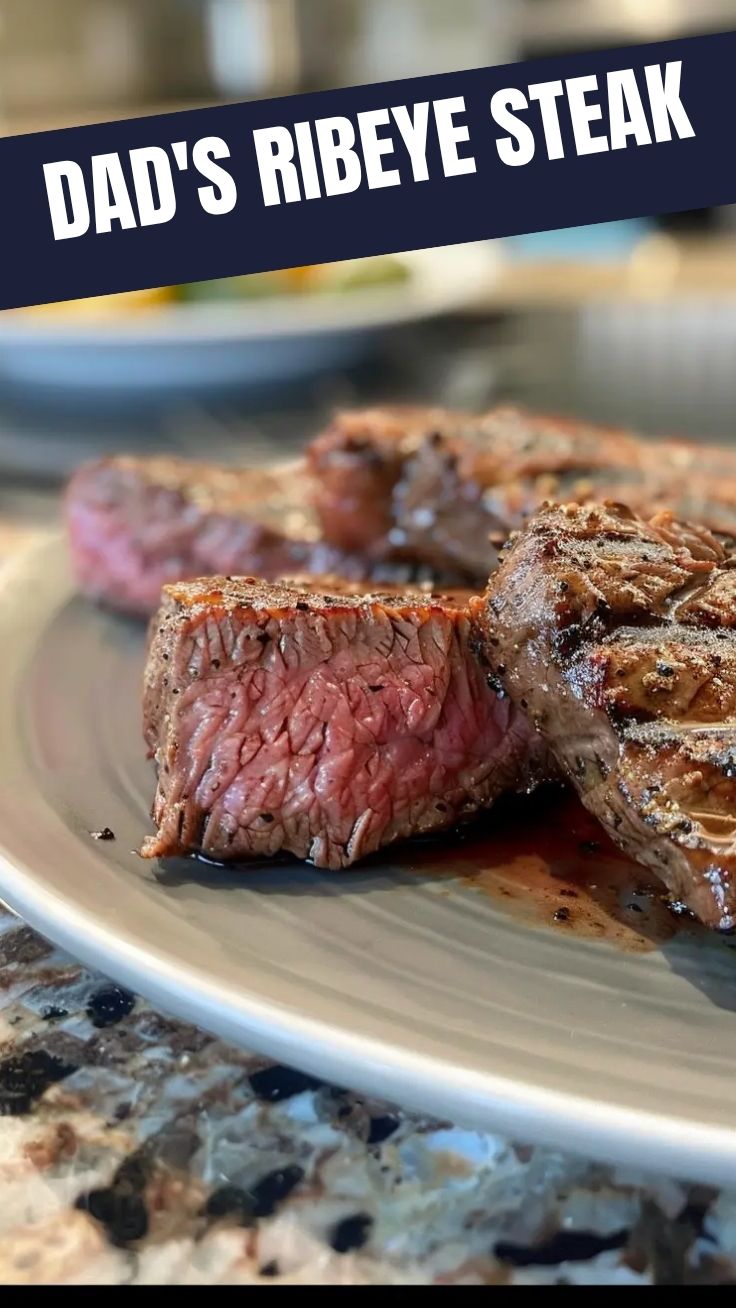
Imagine the sizzle, the smoky aroma, and that perfectly seared crust yielding to a juicy, tender interior. Does anything beat a perfectly grilled steak, especially when it’s prepared with love? This Father’s Day, elevate your grilling game and impress Dad with an unforgettable homemade meal. Forget crowded restaurants and rushed service – preparing a spectacular Father’s Day Grilled Steak (Ribeye) at home allows for personalized perfection, from selecting the finest cuts to mastering the precise cooking techniques. Not only is it a rewarding culinary experience, but it also creates lasting memories around the family table. We’ll guide you through crafting a sensational Ribeye recipes that will have everyone asking for your secret.
Ingredients & Kitchen Tools
- 1 (1.5-2 inch thick) Bone-in Ribeye Steak (USDA Prime or Choice recommended): The star of our show, offering exceptional marbling for incredible flavor and tenderness.
- 2 tablespoons Olive Oil: Acts as a binder for seasonings and helps achieve a beautiful sear.
- 1 tablespoon Coarse Sea Salt: Essential for dry brining and enhancing the meat’s natural flavors.
- 1 teaspoon Freshly Ground Black Pepper: Adds a pungent, aromatic kick.
- 1 teaspoon Garlic Powder: Imparts a savory, earthy undertone without burning like fresh garlic.
- ½ teaspoon Onion Powder: Complements the garlic, adding another layer of savory depth.
- Optional Herb Blend (½ tsp dried rosemary, ½ tsp dried thyme): For an aromatic, woody flavor profile.
- Heavy-duty paper towels: For patting the steak completely dry, crucial for a good sear.
- Large cutting board: Provides a stable surface for preparation.
- Tongs: Indispensable for flipping the steak and moving it on the grill.
- Instant-read meat thermometer: The most accurate tool for gauging internal doneness.
- Charcoal or Gas Grill: The primary cooking device.
- Grill brush: For cleaning the grates before and after cooking.
- Aluminum foil: For tenting the steak during the resting period.
- Small bowl: For mixing seasonings.
Prep Time & Cooking Schedule
- Prep Time: 15 minutes (plus 1-4 hours dry brining)
- Cook Time: 10-20 minutes (depending on thickness and desired doneness)
- Resting Time: 10-15 minutes
Context: For optimal results, plan to dry brine your Ribeye recipes at least an hour before grilling, or even better, overnight in the refrigerator uncovered. This process draws moisture to the surface, creating a salty crust, and then reabsorbs it, seasoning the steak from within and improving juiciness. Ensure your grill is preheated to a high temperature before placing the steak on the grates, as this is key for achieving that coveted sear. The resting period is crucial; it allows the juices to redistribute throughout the meat, ensuring a tender and flavorful final product.
Step-by-Step Instructions
1. Prepare the Steak: Remove your Father’s Day Grilled Steak (Ribeye) from the refrigerator and pat it thoroughly dry with paper towels. This removes surface moisture, which is essential for a good sear.
2. Season Generously: In a small bowl, combine coarse sea salt, black pepper, garlic powder, onion powder, and optional herbs. Drizzle the steak with olive oil and then liberally apply the seasoning mixture to all sides, pressing it gently to adhere.
3. Dry Brine (Crucial Step): Place the seasoned steak on a wire rack set over a baking sheet and refrigerate uncovered for at least 1 hour, or up to 4 hours. This allows the salt to penetrate and enhance flavor and tenderness.
4. Preheat Grill: Preheat your gas grill to high heat (around 500-550°F / 260-290°C) or prepare a two-zone fire on a charcoal grill (high heat on one side, medium-low on the other). Clean the grill grates thoroughly with a grill brush.
5. Sear the Steak: Place the seasoned steak directly over the hottest part of the grill. Sear for 2-3 minutes per side until a beautiful, dark brown crust forms. Do not move the steak during searing to maximize contact with the hot grates.
6. Indirect Cooking (if desired): For thicker cuts or if you prefer a lower internal temperature, move the steak to the cooler side of the grill (medium-low heat) after searing. Close the lid and continue cooking, flipping every few minutes, until it reaches your desired doneness.
7. Monitor Internal Temperature: Use an instant-read meat thermometer to check the internal temperature.
* Rare: 125-130°F (52-54°C)
* Medium-Rare: 130-135°F (54-57°C)
* Medium: 135-140°F (57-60°C)
* Medium-Well: 140-145°F (60-63°C)
(Remember the temperature will rise by 5-10 degrees during resting.)*
8. Rest the Steak: Once cooked to your desired doneness, transfer the steak to a clean cutting board. Tent loosely with aluminum foil and let it rest for 10-15 minutes. This allows the juices to redistribute, resulting in a more tender and flavorful steak.
9. Slice and Serve: Slice the steak against the grain into thick pieces and serve immediately.
Nutritional Benefits & Advantages
Ribeye steak, while indulgent, offers significant nutritional value. It’s an excellent source of high-quality protein, essential for muscle growth and repair. It also provides important vitamins and minerals such as iron, zinc, selenium, and B vitamins (B6 and B12), which play crucial roles in energy production, immune function, and red blood cell formation. The healthy fats in ribeye contribute to satiety and provide a concentrated source of energy. Opting for a grass-fed ribeye can further enhance its nutritional profile with higher levels of Omega-3 fatty acids.
Tips Variations & Cooking Advice
- Flavor Variations: Experiment with different rub blends – a cajun spice blend for a spicy kick, or a simple garlic-herb butter for richness. Consider adding a compound butter (like blue cheese butter or truffle butter) on top of the resting steak for an extra layer of flavor.
- Alternative Cooking Methods: While grilling is king for this recipe, you can also pan-sear it in a cast-iron skillet (finish in the oven for thicker cuts) or reverse-sear it for ultimate tenderness (low oven then high-heat sear).
- Perfect Pairings: Serve your grilled ribeye with roasted asparagus, creamy mashed potatoes, a fresh garden salad, or grilled corn on the cob.
- Doneness Control: For beginners, cooking to medium-rare is often the sweet spot for maximum juiciness and flavor in a ribeye.
Common Mistakes to Avoid
- Not Patting Dry: Leads to steaming instead of searing, resulting in a less desirable crust.
- Overcrowding the Grill: Lowers grill temperature, leading to uneven cooking and poor searing. Cook steaks in batches if necessary.
- Flipping Too Often: Interferes with crust development. Let the steak sear undisturbed for a few minutes per side.
- Cutting Without Resting: Causes all the precious juices to leak out, leaving a dry, tough steak. Patience is key!
- Guessing Doneness: An instant-read thermometer is your best friend. Don’t rely solely on visual cues.
Storage & Meal Prep Tips
Leftover grilled ribeye can be a delicious addition to future meals. Store cooked steak in an airtight container in the refrigerator for up to 3-4 days. For longer storage, slice the steak and freeze it in individual portions in freezer-safe bags or containers for up to 2-3 months. To reheat, gently warm sliced steak in a skillet over medium-low heat with a little beef broth or butter to prevent drying out, or briefly microwave at reduced power until just warmed through. Avoid overheating to maintain texture and flavor.
Conclusion
Mastering a perfectly grilled steak is a culinary triumph, and this Father’s Day, you have all the tools to create an extraordinary meal. From the crucial dry brine to the precise internal temperature, every step contributes to an unforgettable Father’s Day Grilled Steak (Ribeye) experience. Embrace the art of grilling and enjoy the delicious rewards. We hope this guide inspires you to fire up your grill and create a memorable feast using our detailed Ribeye recipes. Share your grilling triumphs with us and tell us how Dad enjoyed his special meal!
FAQs
Q1: Can I use a leaner cut of steak for this recipe?
A1: While ribeye’s marbling is ideal for grilling, you can adapt this recipe for other cuts like New York strip or sirloin. Just be mindful that leaner cuts may require slightly less cooking time and benefit from extra basting during grilling to prevent drying out.
Q2: What’s the best way to get perfect grill marks?
A2: Ensure your grill grates are very clean and piping hot. Place the steak on the grates, let it sear undisturbed for 2-3 minutes, then rotate it 45 degrees for another 2-3 minutes to create a crosshatch pattern. Then, flip and repeat on the other side.
Q3: How do I know if my steak is dry-brined enough?
A3: After dry brining, you should see the surface of the steak appear visibly drier and feel slightly tacky. Small droplets of moisture might have formed and then reabsorbed, indicating the salt has done its work.
Q4: Can I marinate the ribeye instead of dry-brining?
A4: Yes, you can marinate a ribeye, but be cautious with marinades containing acidic components as they can “cook” the surface of the meat if left too long. For a ribeye, dry brining often yields a superior crust and flavor penetration compared to traditional liquid marinades.
Q5: What’s a good internal temperature for medium-rare?
A5: Aim for removing the steak from the grill when its internal temperature reaches 130-135°F (54-57°C). Remember, it will continue to cook and rise another 5-10 degrees during the resting period, reaching a perfect medium-rare.
Best way to grow a Father's Day Grilled Steak (Ribeye)
Ingredients
Equipment
Method
- Pat the ribeye dry with paper towels and generously season both sides with salt, pepper, and any other desired steak seasoning.
- Preheat your grill to high heat (around 450-500°F or 230-260°C) and clean the grates thoroughly.
- Place the seasoned ribeye on the hot grill, searing for 2-3 minutes per side to develop a good crust.
- Reduce the grill heat to medium-low, or move the steak to a cooler part of the grill, and continue cooking, flipping every 2-3 minutes until it reaches desired doneness.
- Use a meat thermometer to check the internal temperature; for medium-rare, aim for 130-135°F (54-57°C), and for medium, 135-140°F (57-60°C).
- Remove the steak from the grill and let it rest on a cutting board or plate, loosely tented with foil, for 5-10 minutes before slicing and serving.