The Ultimate Guide to Creamy Lemon Ricotta Pasta: A Bright, Cheesy Weeknight Dinner
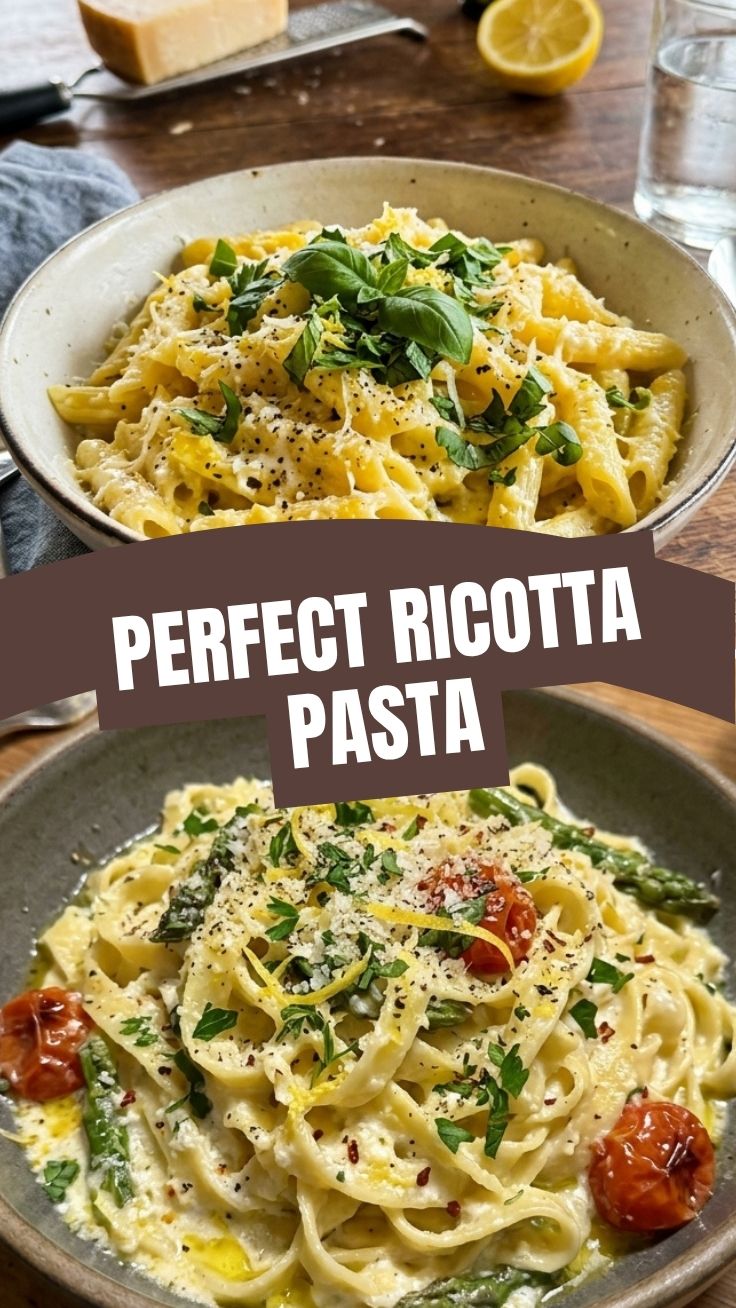
Have you ever craved a pasta dish that feels both indulgent and refreshingly light—one that comes together in the time it takes to boil water? That’s the magic of this Lemon Ricotta Pasta. Unlike heavy cream-based sauces, this recipe harnesses the power of fresh ricotta and zesty lemon to create a silky, protein-packed sauce that clings to every strand of pasta. Preparing this dish at home not only saves you money versus restaurant takeout but also lets you control the quality of ingredients, ensuring a meal that’s as nutritious as it is delicious. Whether you’re a seasoned home cook or a busy parent looking for a 15-minute dinner, this guide will walk you through every step, from selecting the right cheese pasta recipes to storing leftovers like a pro.
—
Ingredients & Kitchen Tools
For the Pasta:
– 12 oz (340g) dried pasta (spaghetti, fettuccine, or penne work best)
– 1 cup (240g) whole-milk ricotta cheese – For maximum creaminess; low-fat ricotta will yield a thinner sauce
– 1 large lemon – You’ll need both zest (2 teaspoons) and juice (3 tablespoons)
– 3 tablespoons unsalted butter – Adds richness; you can substitute olive oil for dairy-free
– 2 cloves garlic, minced – Fresh is best; pre-minced works in a pinch
– ½ cup (120ml) reserved pasta water – The secret to emulsifying the sauce
– ½ cup (50g) freshly grated Parmesan cheese – Skip pre-shredded; it lacks meltability
– Salt and black pepper – To taste
– Fresh basil or parsley – For garnish (optional)
Kitchen Tools:
– Large pot (4-6 quart) for boiling pasta
– Colander or strainer
– Microplane or zester for lemon zest
– Wooden spoon or tongs for tossing
– Measuring cups and spoons
– Chef’s knife and cutting board
Optional Substitutions:
– Dairy-free: Use cashew-based ricotta and vegan butter; the sauce will be slightly thinner
– Gluten-free: Swap pasta for chickpea or lentil-based varieties
– Extra protein: Add sautéed chicken, shrimp, or white beans
—
Prep Time & Cooking Schedule
– Prep Time: 10 minutes (zest lemon, mince garlic, measure ingredients)
– Cook Time: 12 minutes (pasta) + 3 minutes (sauce assembly)
– Resting Time: 2 minutes (let pasta sit after saucing to absorb flavors)
– Total Time: 15-18 minutes
This schedule works perfectly for a weeknight: set the water to boil while you prep, cook the pasta, and finish the sauce in the same time frame. Pro tip: Reserve pasta water before draining.
—
Step-by-Step Instructions
1. Boil the Pasta: Bring a large pot of salted water (1 tablespoon salt per 4 quarts water) to a rolling boil. Add pasta and cook 1 minute less than package directions for al dente texture. While pasta cooks, whisk together the ricotta, lemon zest, and ¼ teaspoon black pepper in a small bowl. This Lemon Ricotta Pasta base should be smooth and bright.
2. Prepare the Sauce Base: In a large skillet over medium heat, melt butter. Add minced garlic and sauté for 30 seconds until fragrant but not browned—brown garlic turns bitter. Reduce heat to low and add the ricotta mixture, stirring constantly for 1 minute to warm it gently. If the ricotta seems thick, add 2 tablespoons of reserved pasta water to loosen.
3. Combine and Emulsify: Drain the pasta, reserving at least 1 cup of pasta water. Immediately add the hot pasta to the skillet with the ricotta sauce. Toss with tongs for 60 seconds, drizzling in pasta water 2 tablespoons at a time until a silky, glossy sauce forms. The starches in the water bind the ricotta to the pasta—no cream needed! Sprinkle in Parmesan cheese and toss again.
4. Finish and Serve: Remove from heat. Stir in lemon juice (start with 2 tablespoons, add more to taste) and adjust salt and pepper. Garnish with fresh herbs and serve immediately. Pair this bright dish with cheese pasta recipes that use similar techniques, like a classic cacio e pepe or baked ziti, to expand your repertoire.
—
Nutritional Benefits & Advantages
Ricotta cheese is a nutritional powerhouse: it’s lower in fat and calories than many aged cheeses but still packed with 14 grams of protein per half-cup serving. Lemon juice provides a boost of vitamin C (about 30% of your daily needs per tablespoon), which aids iron absorption from the pasta. The combination of dairy-based magnesium and zinc supports bone health and immune function. Plus, using pasta water instead of heavy cream reduces saturated fat by roughly 60% compared to traditional Alfredo-style sauces. This dish is naturally vegetarian and can be adapted for gluten-free or low-lactose diets without sacrificing flavor.
—
Tips, Variations & Cooking Advice
– Flavor Boost: Add a pinch of red pepper flakes with the garlic for subtle heat
– Herb Swaps: Chives, dill, or mint work beautifully in place of basil
– Make It a Meal: Top with roasted cherry tomatoes or grilled zucchini
– Lighter Version: Use part-skim ricotta and whole-wheat pasta
– Dairy-Free Alternative: Blend soaked cashews with lemon, nutritional yeast, and water until smooth; this mimics ricotta’s creaminess
– Grain Variation: Substitute pasta with farro or orzo for a different texture
– Big Batch: Double the recipe and freeze the sauce (before adding pasta water) for up to 3 months
—
Common Mistakes to Avoid
1. Overcooking the Pasta: Mushy pasta won’t hold the sauce. Pull it when there’s still a tiny white core.
2. Skipping Pasta Water: This is non-negotiable—it’s the emulsifier that prevents a curdled, greasy sauce.
3. Adding Lemon Juice Too Early: Acid can cause the ricotta to separate if overheated. Always add it off the heat.
4. Using Cold Ricotta: Bring to room temperature 15 minutes before cooking, or warm it gently in the butter before adding pasta.
5. Over-seasoning: Ricotta is naturally salty; taste before adding extra salt.
—
Storage & Meal Prep Tips
Refrigeration: Store cooled pasta in an airtight container for up to 4 days. The sauce will thicken as it sits; add a splash of pasta water or milk when reheating.
Freezing: The ricotta sauce (without pasta) freezes well for up to 2 months. Thaw overnight in the fridge and reheat gently over low heat with pasta water.
Reheating: For best texture, reheat in a skillet over medium-low heat with 2 tablespoons of liquid per serving. Microwave works in a pinch (use 50% power in 30-second bursts), but the ricotta can become grainy.
Meal Prep: Cook the pasta and sauce separately, then combine only before serving. Store sauce in a jar and pasta in a baggie for grab-and-go lunches.
—
Conclusion
This Lemon Ricotta Pasta proves that restaurant-quality meals don’t require hours in the kitchen. With just five main ingredients and 18 minutes, you can create a creamy, tangy dish that’s both satisfying and nutritious. The technique—using pasta water and gentle heat—transforms humble ricotta into a silky sauce that rivals any cream-based alternative. As you master this recipe, you’ll find it opens the door to countless cheese pasta recipes that rely on similar emulsification methods. We challenge you to try this once, then experiment with different pastas, herbs, and add-ins. Share your creations in the comments below—we’d love to see how bright your bowl shines!
—
FAQs
Q: Can I use cottage cheese instead of ricotta?
A: Yes, but blend it first for 30 seconds in a food processor to achieve a smoother texture. Cottage cheese is saltier, so adjust seasoning accordingly.
Q: Why did my sauce turn out grainy?
A: Graininess usually means the ricotta was overheated or the lemon juice was added too early. Keep heat low, add lemon off the stove, and use whole-milk ricotta for best results.
Q: How do I make this dairy-free?
A: Substitute ricotta with blended silken tofu or soaked cashews, use vegan butter or olive oil, and choose a vegan Parmesan alternative. The sauce will be less rich but still delicious.
Q: Can I use gluten-free pasta?
A: Absolutely! Gluten-free pasta tends to release less starch, so you may need to add a teaspoon of cornstarch to the reserved pasta water to help emulsify the sauce.
Q: My pasta is dry after reheating. How do I fix it?
A: Drizzle with warm milk or additional pasta water and toss over low heat for 1-2 minutes. The sauce will loosen and re-creamify as it heats.
Lemon Ricotta Pasta
Ingredients
Equipment
Method
- Cook the pasta according to package directions until al dente. Before draining, reserve about 1 cup of the pasta cooking water.
- While the pasta cooks, combine ricotta cheese, lemon zest, lemon juice, grated Parmesan, olive oil, salt, and pepper in a large bowl. Mix until well combined and creamy.
- Drain the cooked pasta and add it directly to the bowl with the ricotta mixture. Toss well, adding a splash of the reserved pasta water as needed to reach a creamy consistency.
- Serve immediately, garnished with extra lemon zest, Parmesan cheese, and a grind of black pepper if desired.