Layered Perfection: Crafting the Ultimate Homemade Lasagna
Tired of bland takeout and longing for a dish that truly warms the soul? Imagine a culinary masterpiece, rich with flavor and history, made right in your own kitchen. Learning how to prepare a homemade Lasagna is not just about cooking; it’s about crafting an experience, a symphony of textures and tastes that far surpasses any pre-made alternative. Bringing this classic comfort food to your table offers unparalleled satisfaction and allows you to control every delicious detail, from the robust bolognese to the creamy béchamel. Forget the store-bought versions; embracing the art of creating this iconic layered pasta dish, a true casserole of culinary delight, will undoubtedly become a treasured skill.
Ingredients & Kitchen Tools
Crafting the perfect Lasagna requires a balance of fresh ingredients and the right culinary arsenal.
For the Meat Sauce (Bolognese):
- 2 tbsp Olive Oil: For sautéing aromatics and browning meat.
- 1 large Onion, finely chopped: Adds sweetness and depth of flavor.
- 2 cloves Garlic, minced: Essential aromatic for Italian dishes.
1 lb Ground Beef (80/20 lean) or a mix of beef and pork: The flavorful base of the sauce. Optional: Use ground turkey for a lighter version.*
- 1 (28 oz) can Crushed Tomatoes: Provides a rich, sweet tomato base.
- 1 (15 oz) can Tomato Sauce: Adds body and further tomato flavor.
- 2 tbsp Tomato Paste: Concentrates tomato flavor.
1/2 cup Red Wine (optional): Adds complexity and acidity to deglaze the pan. Substitution: Beef broth.*
- 1 tsp Dried Oregano: Classic Italian herb.
- 1/2 tsp Dried Basil: Another essential Italian herb.
- Salt and Black Pepper to taste: Enhances all flavors.
For the Béchamel Sauce (or Ricotta Filling):
- 4 tbsp Unsalted Butter: Base for the roux.
- 4 tbsp All-Purpose Flour: Thickening agent for béchamel.
- 3 cups Whole Milk, warmed: Creates a rich, creamy sauce.
- 1/2 tsp Nutmeg, grated: Traditional spice for béchamel, adds warmth.
15 oz Ricotta Cheese: For a traditional ricotta filling. Optional: If using béchamel, omit ricotta.*
- 1 large Egg: Binds the ricotta mixture.
- 1/4 cup Fresh Parsley, chopped: Adds freshness to the ricotta.
- 1/2 cup Grated Parmesan Cheese: For flavor in the ricotta mix.
For Assembly:
12-15 Oven-Ready Lasagna Noodles: Saves boiling time. Substitution: Traditional no-boil noodles or fresh pasta sheets.*
- 4-6 cups Shredded Mozzarella Cheese: Melts beautifully and provides a classic cheesy layer.
- 1/2 cup Grated Parmesan Cheese: For sprinkling between layers and on top.
Kitchen Tools & Utensils:
- Large Skillet or Dutch Oven: For preparing the meat sauce.
- Medium Saucepan: For béchamel sauce.
- Large Mixing Bowls: For ricotta mixture and sauce preparation.
- 9×13 inch Baking Dish: The ideal size for a family-sized Lasagna.
- Whisk: For making béchamel sauce lump-free.
- Spatula/Wooden Spoon: For stirring and sautéing.
- Measuring Cups & Spoons: For accurate ingredient quantities.
- Sharp Knife & Cutting Board: For chopping vegetables.
- Aluminum Foil: For covering during baking.
Prep Time & Cooking Schedule
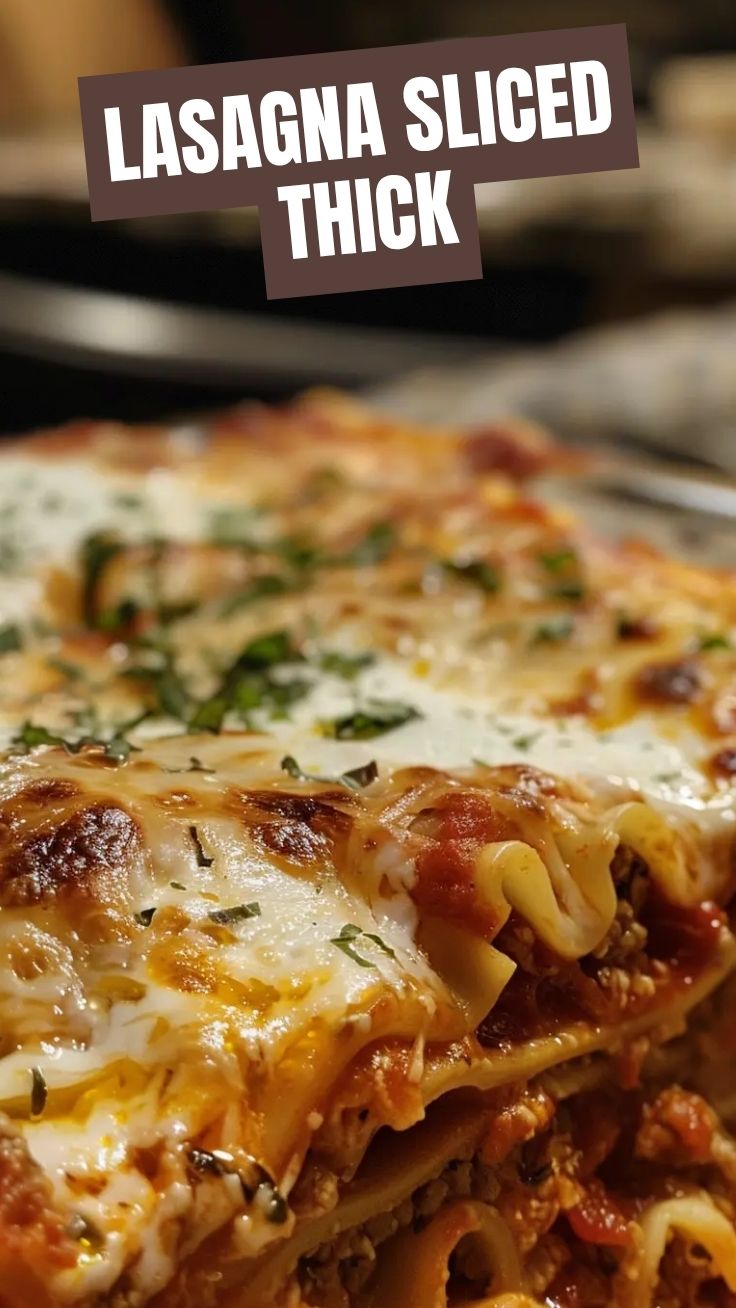
Crafting the perfect homemade Lasagna, a true casserole in its layered glory, requires a thoughtful approach to timing.
- Prep Time: 45 minutes
* This includes chopping vegetables, browning meat, simmering the bolognese, and preparing the béchamel or ricotta mixture. Giving yourself ample time here ensures a smooth assembly process.
- Cook Time: 50-60 minutes
* Covered: 30 minutes at 375°F (190°C) to allow the noodles to cook and flavors to meld without drying out.
* Uncovered: 20-30 minutes at 375°F (190°C) to brown the cheese topping to golden perfection.
- Resting Time: 15-20 minutes
* Crucial for the Lasagna to set. This prevents the layers from sliding apart when cut, giving you neat, impressive slices. Plan to let it rest before serving.
Step-by-Step Instructions
1. Prepare the Meat Sauce (Bolognese):
* Heat olive oil in a large skillet over medium heat. Sauté chopped onion until softened, about 5-7 minutes. Add minced garlic and cook for another minute until fragrant.
* Add ground meat(s) to the skillet, breaking it up with a spoon. Cook until browned, draining any excess fat.
* Stir in tomato paste and cook for 2 minutes, allowing it to caramelize slightly. If using, pour in red wine and scrape up any browned bits from the bottom of the pan, cooking until almost evaporated.
* Add crushed tomatoes, tomato sauce, dried oregano, and basil. Season with salt and pepper. Bring to a simmer, then reduce heat to low, cover, and let it gently simmer for at least 30 minutes, or up to 2 hours, stirring occasionally. The longer it simmers, the richer the flavor.
2. Prepare the Béchamel or Ricotta Filling:
* For Béchamel: In a medium saucepan, melt butter over medium heat. Whisk in flour to form a roux and cook for 1-2 minutes. Gradually whisk in warmed milk until smooth and thickened. Season with nutmeg, salt, and pepper. Remove from heat.
* For Ricotta Filling: In a large bowl, combine ricotta cheese, egg, chopped parsley, and Parmesan cheese. Season with salt and pepper, and mix well.
3. Assemble the Lasagna:
* Preheat oven to 375°F (190°C).
* Spread a thin layer of meat sauce (about half a cup) on the bottom of a 9×13 inch baking dish. This prevents the first layer of noodles from sticking.
* Arrange a layer of Lasagna noodles over the sauce. (If using oven-ready noodles, no pre-boiling is needed.)
* Spread half of the ricotta mixture (or a generous layer of béchamel) evenly over the noodles.
* Top with about 1.5-2 cups of meat sauce, then sprinkle with 1.5-2 cups of shredded mozzarella.
* Repeat the noodle, ricotta (or béchamel), meat sauce, and mozzarella layers.
For the final layer, place noodles, top with the remaining meat sauce, and sprinkle generously with the remaining mozzarella and Parmesan cheese. This layered dish truly embodies the spirit of a hearty casserole*.
4. Bake the Lasagna:
* Cover the baking dish tightly with aluminum foil.
* Bake for 30 minutes.
* Remove the foil and bake for another 20-30 minutes, or until the top is golden brown and bubbly.
5. Rest and Serve:
* Allow the baked Lasagna to rest for 15-20 minutes before slicing and serving. This allows the layers to set and makes for cleaner cuts.
Nutritional Benefits & Advantages
Homemade Lasagna, when prepared with fresh, quality ingredients, offers more than just comfort. The robust meat sauce provides a good source of protein, essential for muscle repair and growth. Tomatoes are rich in lycopene, a powerful antioxidant known for its heart-healthy benefits. Spinach (if added as a variation) and other vegetables contribute vital vitamins, minerals, and dietary fiber, aiding digestion. Opting for whole wheat noodles can increase fiber content, and choosing leaner meats reduces saturated fat. By controlling the ingredients, you can reduce sodium and unhealthy fats often found in store-bought versions, making your homemade Lasagna a surprisingly nutritious option.
Tips, Variations & Cooking Advice
- Spice It Up: Add a pinch of red pepper flakes to the meat sauce for a subtle kick.
- Vegetarian Version: Replace ground meat with a mix of sautéed mushrooms, lentils, and finely diced carrots and zucchini.
- Green Layers: Incorporate a layer of sautéed spinach (squeeze out excess water) or thinly sliced zucchini for added nutrients and flavor.
- Cheese Blends: Experiment with different cheeses like fontina, provolone, or smoked mozzarella for unique flavor profiles.
- Homemade Pasta: For the ultimate experience, try making fresh pasta sheets – they absorb sauce beautifully.
- Freezer-Friendly: Assemble the Lasagna, cover tightly, and freeze uncooked. Thaw in the refrigerator overnight before baking as directed.
- Make Ahead: Both the meat sauce and béchamel can be made a day or two in advance, saving time on assembly day.
Common Mistakes to Avoid
- Over-soggy Lasagna: This often happens from:
* Too much liquid in the sauce: Simmer the meat sauce long enough to reduce and thicken.
* Not resting after baking: The resting period allows the layers to set and excess moisture to redistribute.
* Using too much béchamel or ricotta: Be generous but not excessive.
Under-cooked Noodles: Ensure oven-ready noodles are truly covered by sauce to cook thoroughly. If using traditional noodles, boil them al dente* (slightly firm) as they will continue to cook in the oven.
- Lack of Flavor: Don’t skimp on seasoning! Taste your sauces as you go and adjust salt, pepper, and herbs. A long-simmered meat sauce is key for depth.
- Cheese Doesn’t Brown: Make sure to remove the foil for the last 20-30 minutes of baking to get that coveted golden, bubbly crust.
Storage & Meal Prep Tips
Storing your homemade Lasagna properly ensures its deliciousness for days to come.
- Refrigeration: Leftover Lasagna should be cooled completely before being stored in an airtight container in the refrigerator for up to 3-4 days.
- Freezing: Lasagna freezes exceptionally well. For individual portions, cut slices and wrap each tightly in plastic wrap, then aluminum foil. For a whole dish, cover the cooled Lasagna tightly with plastic wrap, then foil. It can be frozen for up to 3 months.
- Reheating:
* From Refrigerator: Place individual portions on a microwave-safe plate and heat until warmed through, or in an oven-safe dish covered with foil at 350°F (175°C) for 20-30 minutes.
* From Freezer (whole dish): Thaw overnight in the refrigerator. Reheat, covered, at 350°F (175°C) for 45-60 minutes, then uncovered for 10-15 minutes until bubbly and heated through.
* From Freezer (individual portions): Microwave on high, or bake in a covered oven-safe dish at 375°F (190°C) for 30-40 minutes.
Conclusion
Mastering the art of homemade Lasagna is a truly rewarding culinary journey. From the simmering richness of the bolognese to the creamy satisfaction of the béchamel or ricotta, each layer contributes to a whole that is greater than the sum of its parts. This comprehensive guide has provided you with all the insights needed to create a show-stopping casserole that will impress family and friends alike. Don’t let the multi-step process intimidate you; the effort is genuinely worth it for the incredible flavors and the pride of serving a dish crafted with your own hands. We encourage you to try this recipe, experiment with the variations, and share your delicious results! What’s your secret ingredient for the perfect Lasagna?
FAQs
Q: Can I use different types of meat in my Lasagna?
A: Absolutely! A mix of ground beef and Italian sausage (mild or hot) is common and adds wonderful flavor. Ground turkey or chicken can also be used for a lighter version.
Q: What if I can’t find oven-ready lasagna noodles?
A: You can use traditional dry lasagna noodles. Boil them in salted water until al dente (still slightly firm) according to package directions, then drain and rinse with cold water to prevent sticking.
Q: How can I make my lasagna vegetarian or vegan?
A: For vegetarian, replace the meat with sautéed vegetables, lentils, or plant-based ground meat alternative. For vegan, use dairy-free cheeses, a plant-based béchamel with oat or soy milk, and vegetable stock in the sauce.
Q: My béchamel sauce is lumpy. How do I fix it?
A: Whisk vigorously off the heat to smooth out lumps. If it’s still lumpy, you can pass it through a fine-mesh sieve before adding it to the Lasagna. Ensure your milk is warm when you add it gradually to the roux.
Q: Can I prepare the lasagna ahead of time and bake it later?
A: Yes! You can assemble the entire Lasagna, cover it tightly with plastic wrap and foil, and refrigerate it for up to 24 hours before baking. Let it sit at room temperature for about 30 minutes before baking, and you might need to add an extra 10-15 minutes to the baking time.
Proven way to grow 5-Star Lasagna
Ingredients
Equipment
Method
- Cook ground beef, onion, and garlic in a large skillet over medium heat until meat is browned; drain fat.
- Stir in crushed tomatoes, tomato paste, water, sugar, basil, fennel seeds, Italian seasoning, salt, and pepper.
- Reduce heat, cover, and simmer for 30 minutes, stirring occasionally.
- In a medium bowl, mix ricotta cheese, egg, Parmesan cheese, parsley, salt, and pepper.
- Preheat oven to 375°F (190°C).
- Spread 1 cup of meat sauce in the bottom of a 9x13 inch baking dish.
- Arrange 3-4 lasagna noodles over the sauce.
- Spread half of the ricotta cheese mixture over the noodles.
- Top with 1/3 of the mozzarella cheese and 1.5 cups of meat sauce.
- Repeat layers: noodles, remaining ricotta, mozzarella, and meat sauce.
- Finish with a layer of noodles, remaining meat sauce, and the rest of the mozzarella and Parmesan cheese.
- Cover with aluminum foil and bake for 25 minutes.
- Remove foil and bake for an additional 20-25 minutes, or until golden brown.
- Let stand for 10 minutes before serving.