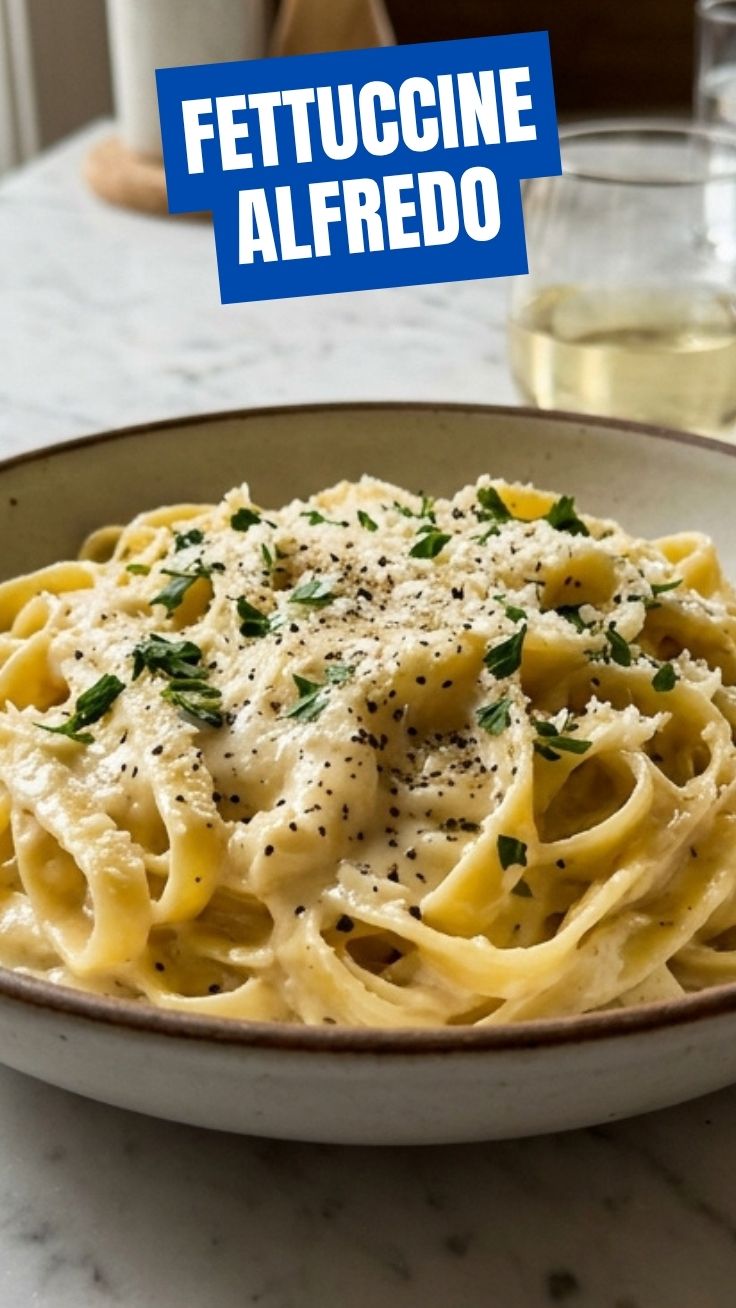
Creamy Homemade Fettuccine Alfredo: Better Than Any Restaurant
Have you ever craved a bowl of rich, silky pasta but hesitated because store-bought sauces just don’t deliver? Making Fettuccine Alfredo from scratch at home transforms ordinary noodles into a luxurious meal in under 20 minutes. You control the quality of ingredients, avoid preservatives, and achieve that velvety, cheese‐lover’s bliss every time. This recipe isn’t just about taste—it’s about mastering a simple technique that yields restaurant‐quality results. And if you ever want to switch things up, Pasta Carbonara is another classic that rewards the same hands‐on approach. Here, we’ll focus on perfecting the Alfredo, from knife skills to plating, with data‐backed tips for consistent success.
—
Ingredients & Kitchen Tools
Essential Ingredients
– Fettuccine pasta (12 oz / 340 g) – Fresh or dried; fresh cooks in 2–3 minutes, dried in 10–12 minutes.
– Unsalted butter (4 tbsp / 56 g) – Creates the emulsion base.
– Heavy cream (1 cup / 240 ml) – For richness; half‑and‑half works but won’t be as lush.
– Parmigiano‑Reggiano (1 cup / 100 g, finely grated) – Never pre‑shredded; it contains anti‑caking agents that ruin smoothness.
– Garlic (2 cloves, minced) – Optional but adds depth.
– Salt & black pepper – Fine sea salt for pasta water, fresh‑cracked pepper for finish.
– Fresh parsley (optional) – For color and a mild herb note.
Substitutes
– Dairy‑free: Use plant‑based butter, full‑fat oat cream, and vegan Parmesan (look for one with cashew or nutritional yeast).
– Gluten‑free: Choose gluten‑free fettuccine; reduce cooking time per package instructions and reserve extra pasta water to adjust consistency.
Kitchen Tools
| Tool | Purpose |
|——|———|
| Large pot (6‑qt) | Boil pasta with ample salted water |
| Colander | Drain pasta (reserve 1 cup water first) |
| Large skillet or sauté pan | Make the sauce and toss pasta |
| Microplane or fine grater | Grate Parmesan fluffily – avoids clumps |
| Wooden spoon or tongs | Stir and combine |
| Measuring spoons & cups | Precise butter and cream portions |
—
Prep Time & Cooking Schedule
– Prep time: 5 minutes – Mince garlic, grate cheese, measure cream and butter.
– Cook time: 12–15 minutes total (pasta boiling + sauce assembly).
– Resting time: 1 minute off heat – lets sauce thicken and cling to noodles.
Plan ahead: Bring a large pot of water to a rolling boil while you prep. Once you drop the pasta, start the sauce—they finish simultaneously.
—
Step‑by‑Step Instructions
1. Boil the pasta – Fill a large pot with 4 quarts of water, add 1 tablespoon salt. Bring to a vigorous boil. Add fettuccine, stir occasionally, and cook until al dente (about 1 minute less than package directions for dried pasta). Reserve 1 cup pasta water before draining.
2. Melt butter and sauté garlic – In a large skillet over medium heat, melt the butter. Add minced garlic and cook 30 seconds until fragrant (do not brown – it turns bitter).
3. Add cream and simmer – Pour in heavy cream, stirring constantly. Bring to a gentle simmer (small bubbles, not a roaring boil). Cook 2 minutes to slightly reduce.
4. Off heat, add cheese – Remove skillet from heat. Gradually sprinkle in grated Parmigiano‑Reggiano while whisking vigorously. The residual heat melts the cheese without breaking the sauce.
5. Toss and adjust – Add drained pasta directly into the sauce. Toss with tongs for 1 minute, adding pasta water ¼ cup at a time until the sauce wraps every strand like a silk ribbon. Season with black pepper.
6. Serve immediately – Plate and top with extra grated cheese and parsley. The sauce thickens as it cools, so eat right away.
Why this works: The starch from pasta water helps emulsify the butter and cheese into a stable sauce. Making Fettuccine Alfredo this way ensures you never need a flour‑based roux. For a contrasting flavor, try Pasta Carbonara* – it uses egg, pecorino, and guanciale instead of cream, but the technique of emulsifying with pasta water is nearly identical.
—
Nutritional Benefits & Advantages
This homemade Alfredo delivers calcium (from cheese), vitamin A (from butter), and protein (from pasta + dairy). A single serving (about ⅙ of recipe) provides roughly 450–500 calories, 20 g protein, and 25 g fat. Key benefits include:
– No preservatives – Unlike jarred sauces, you control sodium and additives.
– Better digestion – Fresh Parmesan is easier on the stomach than processed cheese blends.
– Customizable macros – Swap heavy cream for whole milk + cream cheese to reduce fat while keeping creaminess.
For a lighter option, use zucchini “zoodles” instead of half the pasta – still satisfying but lower in carbs.
—
Tips, Variations & Cooking Advice
– Flavor boost: Add a pinch of nutmeg or a squeeze of lemon juice to brighten the sauce.
– Protein additions: Sautéed shrimp, grilled chicken, or crispy bacon crumbles turn this into a main course.
– Herb twist: Stir in fresh basil or thyme when you add the cream.
– Dairy‑free version: Use plant‑based butter and cream; add a tablespoon of nutritional yeast for cheesy flavor.
– Baked Alfredo: Pour the finished pasta into a buttered dish, top with mozzarella and breadcrumbs, bake at 375°F for 15 minutes for a bubbly casserole.
Portion hint: This recipe serves 4 as a main, 6 as a side. Double for a crowd, but keep the pan large enough to toss without spilling.
—
Common Mistakes to Avoid
– Overcooking pasta – Mushy noodles can’t support the sauce. Cook al dente – it firms up slightly when tossed.
– Using pre‑shredded cheese – Cellulose and starch prevent smooth melting. Grate your own.
– Boiling the cream – High heat breaks the emulsion, leaving a greasy sauce. Never let cream reach a full boil.
– Skipping pasta water – The starch is essential. Without it, the sauce turns clumpy or watery.
– Not serving immediately – Alfredo sets as it cools. Reheating compromises texture; cook only what you’ll eat.
—
Storage & Meal Prep Tips
– Refrigerate: Store leftovers in an airtight container for up to 3 days. The sauce will thicken and may separate slightly.
– Reheat: Add a splash of milk or cream and reheat gently in a pan over low heat, stirring constantly. Avoid microwave – it makes the sauce grainy.
– Freeze: Not recommended – cream‑based sauces become grainy when thawed. If you must, freeze without pasta and add fresh pasta upon reheating.
– Meal prep: Cook pasta and sauce separately. Store sauce in a jar; reheat and toss with freshly boiled pasta for best results.
—
Conclusion
Mastering Fettuccine Alfredo at home is a game‑changer for weeknight dinners and entertaining alike. With just four core ingredients and a few simple techniques, you can create a dish that rivals any Italian restaurant. The key is respecting the emulsion – butter, cream, cheese, and pasta water working in harmony. For a change of pace, explore Pasta Carbonara – its egg‑based sauce teaches a different, yet equally rewarding, approach to pasta. Now grab your pot and grater, and let the creamy magic begin. Share your results in the comments – we’d love to see your golden bowl of perfection!
—
FAQs
1. Can I use milk instead of heavy cream?
Yes, but the sauce will be thinner. To compensate, use 2 tbsp extra butter and reduce the milk by ¼ cup. Add a teaspoon of cream cheese for body.
2. Why did my sauce turn out greasy?
Usually because the heat was too high. Always remove the pan from the burner before adding cheese, and stir constantly. If it separates, add a few tablespoons of cold milk and whisk vigorously.
3. How long does it take to cook fresh fettuccine?
Fresh fettuccine cooks in 2–3 minutes. Drain immediately when it floats to the surface. Reserve more pasta water (about 1½ cups) because fresh pasta releases less starch.
4. Can I add vegetables like broccoli or mushrooms?
Absolutely! Lightly steam or sauté veggies separately and toss them in after the sauce coats the pasta. Mushrooms pair especially well – cook them in the butter before adding garlic.
5. What’s the best cheese substitution for Parmigiano‑Reggiano?
Grana Padano or Pecorino Romano work well. Pecorino is saltier, so reduce added salt. For a nuttier flavor, try aged Gouda or Asiago (though texture will be slightly different).
How to grow perfect Fettuccine Alfredo
Ingredients
Equipment
Method
- Cook the fettuccine according to package directions in a large pot of salted boiling water until al dente.
- While the pasta is cooking, melt the butter in a large skillet or pan over medium-low heat.
- Add the heavy cream to the melted butter and simmer gently for 2-3 minutes, stirring occasionally.
- Drain the cooked fettuccine, reserving about 1 cup of the pasta water.
- Add the drained pasta to the skillet with the cream mixture, along with the grated Parmesan cheese.
- Toss everything together until the pasta is well coated and the cheese has melted into a creamy sauce.
- If the sauce is too thick, add a little reserved pasta water, one tablespoon at a time, until it reaches your desired consistency.
- Season with salt and freshly ground black pepper to taste.
- Serve immediately, garnished with extra Parmesan cheese and a sprinkle of fresh parsley if desired.