The Ultimate Fresh Salsa Recipe: A Burst of Flavor in Every Bite
Have you ever wondered why restaurant salsa tastes so much fresher and more vibrant than store-bought versions? The secret lies in using peak-season ingredients and understanding the perfect balance of acidity, heat, and texture. Making Salsa at home isn’t just about saving money—it’s about customizing every element to your taste preferences, ensuring no preservatives or artificial flavors interfere with that garden-fresh taste. Whether you’re hosting a fiesta or simply elevating your weeknight tacos, this homemade salsa recipe transforms simple ingredients into a showstopper.
Ingredients & Kitchen Tools
Before diving into the preparation, gather these essential components:
Fresh Produce
– 6 Roma tomatoes (ripe but firm; plum tomatoes offer less water content)
– 1 medium white onion (red onion works for a milder, sweeter profile)
– 2-3 jalapeño peppers (serrano peppers for extra heat; remove seeds for milder salsa)
– 1/2 cup fresh cilantro (stems included—they pack flavor; parsley for cilantro-haters)
– 3 cloves garlic (roasted garlic adds smoky depth)
Pantry Staples
– 1 lime, juiced (bottled lime juice lacks brightness; always use fresh)
– 1 teaspoon salt (sea salt or kosher salt preferred)
– 1/2 teaspoon ground cumin (toast whole cumin seeds for deeper flavor)
– 1 tablespoon olive oil (optional, for roasting vegetables)
Kitchen Tools
– Cutting board and sharp knife
– Food processor or blender (molcajete for traditional texture)
– Mixing bowl
– Colander (for rinsing produce)
– Measuring spoons
Prep Time & Cooking Schedule
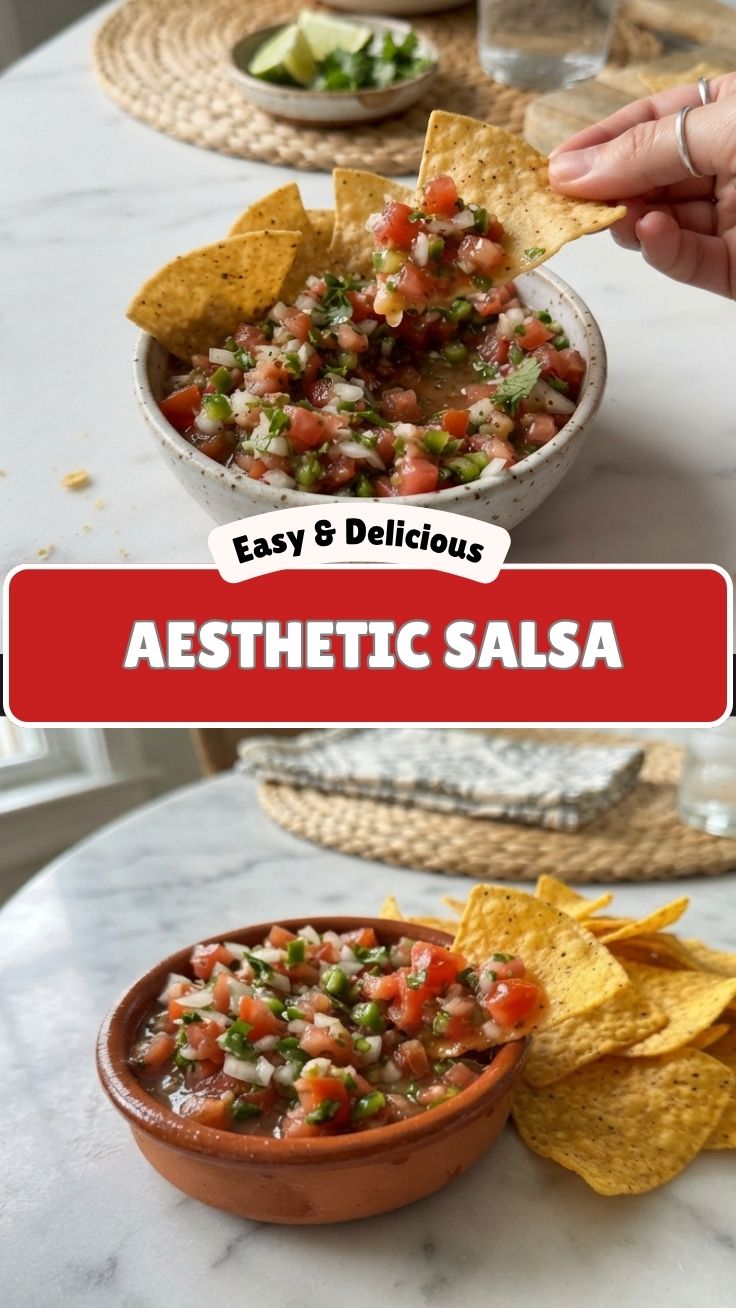
Total Time: 25 minutes
Prep Time: 15 minutes
Resting Time: 10 minutes (essential for flavor melding)
Planning Tip: This salsa tastes best when allowed to rest at room temperature for at least 10 minutes after blending. For optimal flavor development, prepare it 1-2 hours ahead and refrigerate. The resting period allows the garlic, cilantro, and cumin to marry with the tomatoes, creating that complex, restaurant-quality profile.
Step-by-Step Instructions
1. Prepare the Produce: Wash all vegetables thoroughly. Core and quarter the tomatoes. Roughly chop the onion into chunks. Remove jalapeño stems (keep seeds for extra heat). Peel garlic cloves.
2. Roast for Depth (Optional): For a smoky salsa, place tomatoes, onion, jalapeños, and garlic on a baking sheet. Broil 5-7 minutes until charred, turning once. This step transforms ordinary Salsa into something extraordinary.
3. Blend with Precision: Add roasted or raw vegetables to your food processor. Pulse 5-6 times for chunky texture; blend continuously for smoother consistency. Stop before it becomes watery—you want body.
4. Season Strategically: Add lime juice, salt, cumin, and most of the cilantro. Pulse 2-3 more times. Taste and adjust: more salt for brightness, more lime for acidity. If you’re feeling lively, turn up the music and practice some Salsa dancing while you wait. The energy translates into the food!
5. Rest and Serve: Transfer to a bowl. Fold in remaining chopped cilantro. Let rest 10 minutes. Serve with warm tortilla chips, over eggs, or alongside grilled meats.
Nutritional Benefits & Advantages
This fresh salsa is a nutritional powerhouse:
– Low calorie (approximately 15 calories per 2-tablespoon serving)
– Rich in Vitamin C (from tomatoes and lime juice—boosts immunity)
– Antioxidant-packed (lycopene from tomatoes supports heart health)
– Hydrating (high water content helps maintain fluid balance)
– Vegan, gluten-free, and dairy-free by nature
The capsaicin in jalapeños may boost metabolism, while cilantro helps chelate heavy metals from the body. This isn’t just a condiment—it’s a functional food.
Tips Variations & Cooking Advice
Flavor Variations
– Fruity Twist: Add 1/2 cup diced mango or pineapple for sweet-heat contrast
– Smoky Version: Use fire-roasted canned tomatoes and chipotle peppers in adobo
– Green Salsa (Salsa Verde): Substitute tomatillos for tomatoes; boil before blending
Dietary Adaptations
– Low-Sodium: Reduce salt to 1/2 teaspoon; add extra lime juice
– Oil-Free: Skip the olive oil; the vegetables provide enough moisture
– Nightshade-Free: Use roasted tomatillos or chopped cucumber as base
Texture Tips
– For chunkier salsa, hand-dice ingredients instead of using a food processor
– For thinner consistency, add 1-2 tablespoons of tomato juice or water
Common Mistakes to Avoid
1. Watery Salsa: Using overripe tomatoes or over-blending. Solution: Remove tomato seeds before blending; pulse instead of pureeing continuously.
2. Bland Flavor: Insufficient salt or lime juice. Solution: Taste and adjust seasoning incrementally; salt amplifies all flavors.
3. Bitter Garlic: Using old or sprouting garlic. Solution: Always use fresh, firm garlic cloves; remove any green sprouts.
4. One-Note Heat: Adding all jalapeño seeds at once. Solution: Add seeds gradually; you can always add more heat, but you can’t remove it.
5. Limp Cilantro: Adding soft, wilted herbs. Solution: Buy cilantro with firm stems; store upright in water like flowers.
Storage & Meal Prep Tips
Refrigeration: Store in an airtight container for up to 5 days. The flavor actually improves after 24 hours as ingredients meld.
Freezing: Pour into ice cube trays for single-serving portions. Once frozen, transfer to freezer bags. Thaw in refrigerator overnight. Note: Texture will be slightly softer upon thawing—best for cooked dishes.
Reheating: Not typically needed, but if using in hot dishes, add during the last 2 minutes of cooking to preserve freshness.
Meal Prep Pro Tip: Double this recipe on Sunday for weeknight tacos, burrito bowls, and quick nachos. The versatility makes it a cornerstone of efficient meal planning.
Conclusion
This fresh Salsa recipe proves that homemade condiments are both simple and superior. By controlling ingredient quality and adjusting heat levels, you create a personalized staple that elevates any meal. The magic lies in the balance: bright acidity from lime, earthy depth from cumin, and fresh herbaceousness from cilantro. As you enjoy this vibrant creation, feel free to celebrate your culinary achievement with some spontaneous Salsa dancing in the kitchen—after all, food and movement are intertwined joys. Try this recipe this week, share your results with friends, and discover why homemade salsa becomes a non-negotiable in your cooking repertoire.
FAQs
Q: Can I use canned tomatoes instead of fresh?
A: Absolutely. Use one 14.5-ounce can of fire-roasted diced tomatoes. Drain slightly to avoid watery salsa. This works well in winter when fresh tomatoes lack flavor.
Q: How do I make salsa less spicy for kids?
A: Remove all seeds and white membranes from jalapeños. Use only 1 pepper. Alternatively, substitute bell pepper for a completely mild version—still delicious, just different.
Q: Why is my salsa bitter?
A: Common causes include burnt garlic during roasting, over-processing cilantro stems, or using too much cumin. Solution: Roast garlic separately from tomatoes; use cilantro leaves only for milder salsa.
Q: Can I can this salsa for long-term storage?
A: This fresh recipe isn’t suitable for water bath canning due to low acidity. For shelf-stable salsa, use a tested canning recipe with added vinegar or lemon juice.
Q: How do I fix salsa that’s too acidic?
A: Add a pinch of sugar or honey to balance acidity. Alternatively, stir in 1-2 tablespoons of finely diced avocado—the creaminess mellows sharpness beautifully.
Best way to grow Salsa: 5 Proven TipsSalsa
Ingredients
Equipment
Method
- Choose the right varieties for your salsa garden, such as Roma or Amish Paste tomatoes and a mix of jalapeños, serranos, or bell peppers.
- Ensure your plants receive at least 6-8 hours of direct sunlight daily for optimal growth and fruit production.
- Prepare well-draining soil rich in organic matter, amending with compost or a balanced organic fertilizer if necessary.
- Water consistently and deeply, especially during dry spells, to prevent blossom end rot in tomatoes and ensure juicy peppers.
- Provide proper support for tomatoes and tall pepper varieties to encourage vertical growth and prevent breakage.