The Ultimate Guide to Low Calorie Lettuce Wrap Recipes: Flavorful & Healthy
Introduction
Are you tired of heavy, carb-laden meals that leave you feeling sluggish and guilty? What if you could enjoy all the satisfaction of your favorite tacos, sandwiches, or burritos without the calorie overload? The answer lies in the incredible world of low calorie lettuce wrap recipes. Not only are these creations incredibly versatile, but they also form the foundation of healthy lettuce wraps that fit seamlessly into any dietary lifestyle, whether you’re following Keto, Paleo, Whole30, or simply trying to eat more whole foods.
Mastering this simple yet transformative cooking technique allows you to enjoy restaurant-quality meals right in your own kitchen. By swapping out processed tortillas and bread for crisp, hydrating lettuce leaves, you instantly slash hundreds of calories while amplifying the fresh, vibrant flavors of your fillings. Let’s dive deep into why preparing these crunchy, protein-packed parcels at home is one of the most valuable skills you can add to your culinary repertoire—saving you money, boosting your health, and delighting your taste buds.
Ingredients & Kitchen Tools
For the Wraps:
– Butter Lettuce or Romaine Hearts (2 heads): The foundation of your dish. Butter lettuce is pliable and tender, while romaine provides sturdy, boat-like cups.
– Lean Ground Turkey or Chicken (1 lb): High in protein, low in saturated fat. Perfect for a satisfying yet light filling.
– Bell Peppers (1 cup, diced): Adds natural sweetness, vibrant color, and essential vitamin C.
– Water Chestnuts (½ cup, diced): Provides that irresistible, juicy crunch that mimics the texture of traditional wraps.
– Fresh Herbs (¼ cup each mint, cilantro, basil): Aromatic freshness that elevates the entire dish without adding calories.
– Green Onions (3 stalks, sliced): Mild onion flavor and visual appeal.
For the Sauce:
– Plain Greek Yogurt (½ cup): Creamy, tangy, and packed with protein. Use dairy-free coconut yogurt for a vegan option.
– Lime Juice (2 tablespoons): Brightness and acidity to balance the richness.
– Garlic (1 clove, minced): Pungent depth of flavor.
– Sriracha or Chili Flakes (to taste): Optional heat for those who want it.
Kitchen Tools:
– Large non-stick skillet or wok
– Sharp chef’s knife and cutting board
– Mixing bowls (small and medium)
– Spatula or wooden spoon
– Salad spinner or paper towels (critical for drying lettuce)
– Measuring spoons and cups
Optional Substitutions:
– Vegan option: Replace meat with crumbled firm tofu, cooked lentils, or plant-based ground crumbles.
– Gluten-free: Use coconut aminos or gluten-free tamari instead of soy sauce.
– Nut-free: Skip sesame seeds and use sunflower seeds for crunch.
Prep Time & Cooking Schedule
– Prep Time: 15 minutes
– Cook Time: 10 minutes
– Total Time: 25 minutes
Context to Help You Plan: This is a lightning-fast weeknight dinner solution. Here’s how to time it perfectly: Start by washing and drying your lettuce (this takes 5 minutes and can be done first so the leaves have time to air dry). While the lettuce dries, dice your vegetables and mix your sauce. The actual cooking of the protein and vegetables happens in under 10 minutes. I recommend assembling the wraps immediately before serving to maintain maximum crispness—this is not a dish that benefits from sitting around. If you’re meal prepping, store the components separately and assemble fresh.
Step-by-Step Instructions
1. Prepare the Lettuce Base: Carefully separate 10-12 large leaves from the heads of butter lettuce or romaine hearts. Wash them gently under cold water and pat them bone-dry using a salad spinner or clean paper towels. Pro tip: Moisture is the enemy of a good wrap—wet lettuce causes everything to slide apart.
2. Cook the Protein: Heat 1 tablespoon of olive oil or avocado oil in a large skillet over medium-high heat. Add 1 pound of lean ground turkey. Break it apart with a spatula and season with ½ teaspoon each of salt, black pepper, and garlic powder. Cook for 6-7 minutes, stirring occasionally, until deeply browned and cooked through.
3. Sauté the Aromatics and Vegetables: Add ½ cup diced onion and ½ cup diced bell pepper to the skillet. Sauté for 2-3 minutes until softened. Stir in 1 tablespoon of fresh grated ginger and 2 cloves of minced garlic—cook for 30 seconds until incredibly fragrant.
4. Deglaze and Build Flavor: Pour in 2 tablespoons of low-sodium soy sauce (or coconut aminos) and 1 tablespoon of rice vinegar. Stir vigorously, scraping up any browned bits from the bottom of the pan—that’s pure flavor. Add the diced water chestnuts and let it simmer for 1 minute until the sauce clings to the meat.
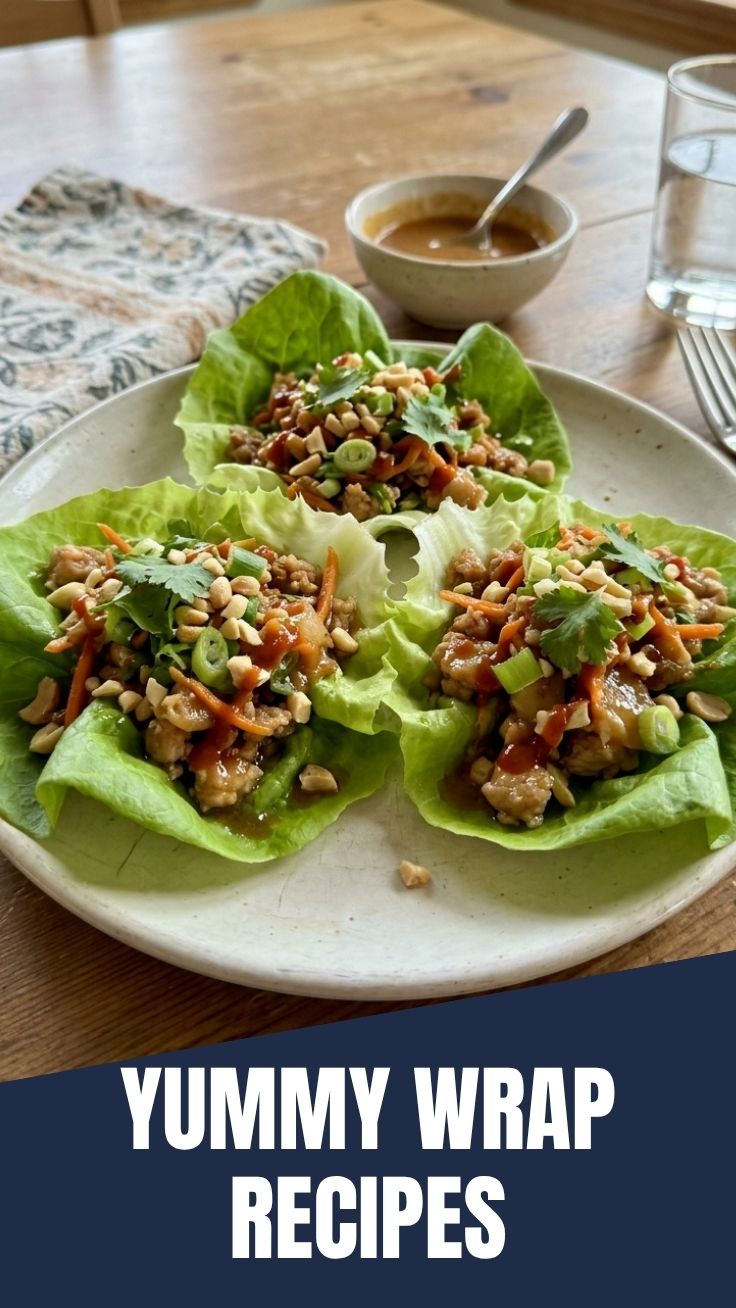
5. Assemble and Serve: Spoon the warm turkey mixture into the center of a lettuce leaf (about ¼ cup per wrap). Drizzle generously with the yogurt-lime sauce. Top with fresh herbs and sliced green onions. Following these precise techniques ensures your low calorie lettuce wrap recipes transform into vibrant healthy lettuce wraps that burst with flavor and satisfying texture in every single bite.
Nutritional Benefits & Advantages
Lettuce wraps are inherently a nutritional powerhouse. By replacing standard flour tortillas or bread, you immediately save between 150-250 calories per serving while eliminating refined carbohydrates and unhealthy fats. The star ingredient—lettuce—is rich in water and dietary fiber, promoting feelings of fullness and supporting healthy digestion.
The lean protein base keeps you satisfied for hours, stabilizing blood sugar levels and preventing energy crashes. When you load up the wraps with colorful vegetables, you’re consuming a concentrated dose of vitamins A, C, and K, along with antioxidants that fight inflammation. This dish naturally supports weight management goals without leaving you feeling deprived. It’s a perfect example of how smart substitutions can create meals that are both indulgent-tasting and genuinely nourishing.
Tips Variations & Cooking Advice
– Flavor Profile Twist: Swap the ground turkey for lean ground beef, shredded chicken, or spicy chorizo. For an Asian-inspired version, use a peanut or almond butter sauce with a splash of coconut milk.
– Dietary Adaptations: For a completely dairy-free wrap, replace Greek yogurt with a tahini-lemon dressing or creamy avocado sauce. Always use certified gluten-free tamari or coconut aminos to keep the dish celiac-safe.
– Texture Control: If your filling seems too wet or saucy, drain off excess liquid before serving. For an extra satisfying crunch, add toasted sesame seeds, crushed peanuts, or crispy fried shallots right before serving.
– Temperature Matters: Serve the filling warm, not piping hot. Excess heat can wilt the lettuce instantly. Let the filling rest for 2-3 minutes after cooking before assembling.
Common Mistakes to Avoid
1. Overfilling the Wraps: This is the most common error. Using more than ¼ cup of filling makes the wrap impossible to pick up without everything falling apart. Less is genuinely more here.
2. Using Wet Lettuce: Wash and dry your lettuce at least 15 minutes ahead of time. Even slightly damp lettuce will cause the wraps to become slippery and dilute the flavors of your carefully seasoned filling.
3. Skipping the Acid: A squeeze of lime juice or a dash of rice vinegar is non-negotiable. Acid brightens the entire dish and cuts through the richness of the protein.
4. Overcooking the Meat: Ground turkey and chicken dry out quickly. Cook them just until no longer pink, and keep the filling warm (not hot) when assembling. If the filling looks dry, add a splash of broth or water.
Storage & Meal Prep Tips
– Refrigeration: Store the cooked filling and sauce in separate airtight containers in the refrigerator. Both will stay fresh for up to 4 days.
– Lettuce Prep: Wash and thoroughly dry the lettuce leaves, then wrap them in a paper towel and place them inside a zip-top bag with the air removed. This keeps them perfectly crisp for 5-7 days.
– Freezing Instructions: The meat filling freezes exceptionally well for up to 3 months. Thaw overnight in the refrigerator and reheat gently in a skillet with a splash of water to restore moisture.
– Reheating Guidelines: Reheat the filling in a hot skillet for 2-3 minutes. Never microwave the assembled wraps—the lettuce will turn limp and soggy instantly. Always assemble fresh.
– Lunch Prep Strategy: Package the filling, sauce, and lettuce leaves separately in a bento-style container. Assemble right before eating for the best texture.
Conclusion
Mastering the art of low calorie lettuce wrap recipes is more than just learning a new cooking technique—it’s adopting a sustainable approach to eating well. We’ve explored how a simple shift in vessel, from a heavy tortilla to a crisp, hydrating lettuce leaf, can dramatically reduce calories while amplifying the fresh, vibrant essence of your meal. This journey proves that healthy lettuce wraps are not a compromise on taste or satisfaction; instead, they represent a celebration of clean, smart, and delicious eating.
Now it’s your turn. I encourage you to try this recipe tonight, experiment with the variations we discussed, and discover just how easy and rewarding healthy cooking can be. Share your creations with friends and family, leave a comment below with your favorite filling combinations, and explore our other nutritious recipes for more inspiration. Your journey to vibrant, low-calorie eating starts right here—happy cooking.
FAQs
Q1: Can I use any type of lettuce for wrapping?
A: Absolutely! Butter or Boston lettuce is the most pliable and forgiving, making it ideal for beginners. Romaine hearts offer sturdy, boat-shaped cups perfect for holding larger amounts of filling. Iceberg lettuce is very crisp but can be prone to cracking when folded. Avoid delicate greens like spinach or arugula as they lack the structural integrity needed for wrapping.
Q2: How do I prevent my lettuce wraps from getting soggy?
A: Moisture control is the secret. Always dry your lettuce leaves thoroughly using a salad spinner or paper towels. Ensure your filling isn’t overly saucy or watery—drain off excess liquid before serving. Assemble the wraps immediately before eating, and consider placing a thin cucumber slice or a large basil leaf in the cup as an extra moisture barrier.
Q3: Can I make this recipe completely vegan?
A: Absolutely! Substitute the ground meat with crumbled firm tofu, cooked lentils, jackfruit, or a high-quality plant-based ground meat alternative. For the sauce, replace Greek yogurt with a creamy cashew cream, blended silken tofu, or a simple tahini-lemon dressing.
Q4: What can I serve with these wraps to make it a full meal?
A: These wraps pair beautifully with a light cucumber and sesame salad, cauliflower fried rice, miso soup, or roasted sweet potato wedges. For a completely low-carb feast, serve with extra vegetable crudités and guacamole.
Q5: How spicy is the sauce, and can I adjust it?
A: The base sauce is mildly tangy and not spicy at all. The heat level is entirely customizable. For a mild version, omit the sriracha or chili flakes completely. For extra heat, add a minced serrano pepper to the filling or drizzle with chili oil and sriracha mayonnaise before serving.
Best way to grow 9 low calorie lettuce wrap recipeslow calorie lettuce wrap recipes
Ingredients
Equipment
Method
- Choose a suitable location for your lettuce, ensuring it receives at least 6 hours of sunlight daily, or set up grow lights for indoor cultivation.
- Prepare the soil by mixing potting mix or garden soil with compost, aiming for a well-draining, nutrient-rich base with a pH between 6.0 and 7.0.
- Plant lettuce seeds or seedlings at the recommended spacing, typically 6-12 inches apart, in rows or containers, and lightly cover seeds with soil.
- Water regularly, keeping the soil consistently moist but not waterlogged, especially during dry periods.
- Monitor for pests and diseases, using organic methods or gentle pesticides if necessary, and harvest outer leaves as needed for continuous growth or the whole head when mature.
- Brown the ground chicken or turkey in a skillet over medium heat, breaking it apart, until fully cooked; drain any excess fat.
- Add diced water chestnuts, shredded carrots, low-sodium soy sauce, rice vinegar, grated ginger, minced garlic, and sesame oil to the skillet and cook for 3-5 minutes, allowing flavors to meld.
- Wash and dry the large lettuce leaves thoroughly.
- Spoon the cooked meat mixture into the center of each lettuce leaf and garnish with sliced green onions.
- For an optional sauce, whisk together peanut butter powder, water, and sriracha until smooth, then drizzle over the wraps or serve on the side.