Unlock the Secret to Authentic Spaghetti Bolognese: A Culinary Journey in Your Kitchen
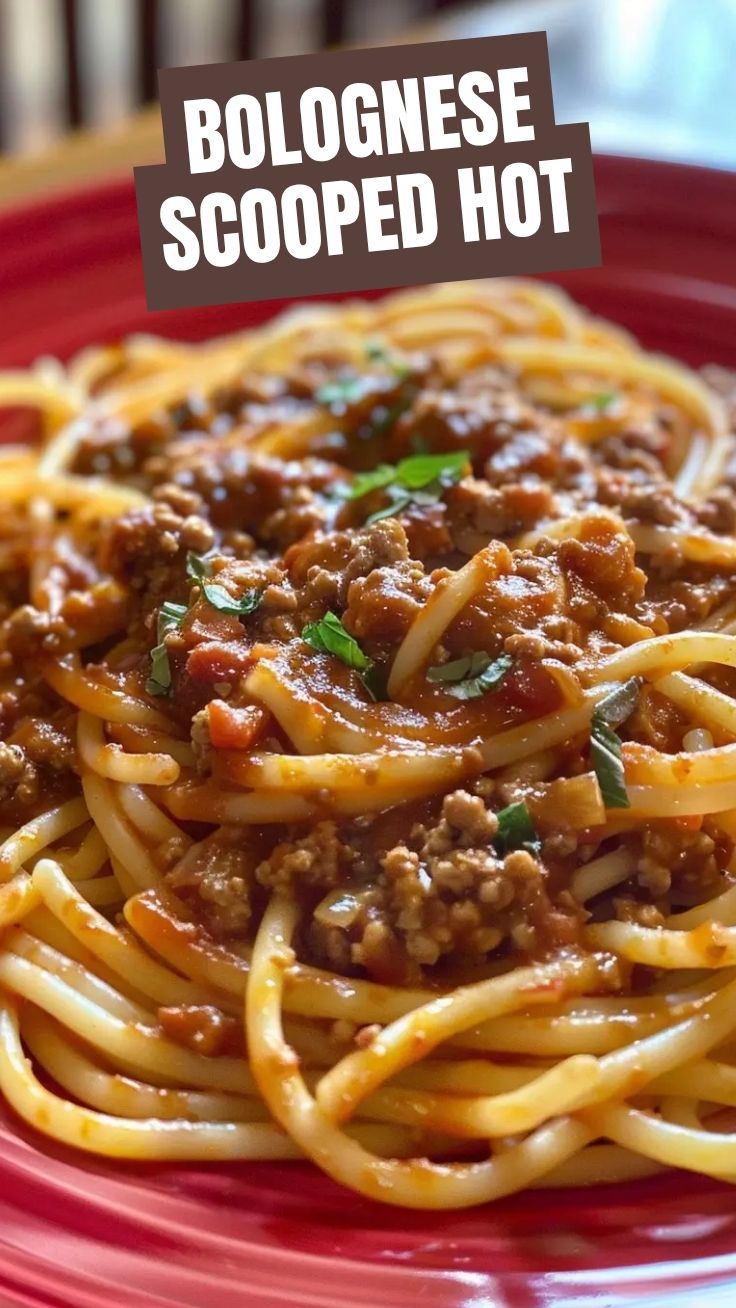
Ever wondered how to create a rich, comforting, and utterly delicious Bolognese that rivals your favorite Italian restaurant? There’s a certain magic to a homemade sauce, a depth of flavor that store-bought jars simply can’t replicate. It’s more than just a meal; it’s an experience, a connection to culinary traditions, and a rewarding endeavor that transforms simple ingredients into something extraordinary. This guide will walk you through crafting the perfect Spaghetti Bolognese, ensuring every mouthful is a delight. Forget the shortcuts and embrace the art of slow-cooked perfection. We’ll also explore how this classic can seamlessly transition into a delectable Pasta Bolognese, offering versatility and flavor.
Ingredients & Kitchen Tools
Crafting a magnificent Bolognese requires a thoughtful selection of ingredients and the right tools.
- 1 tbsp Olive Oil: Extra virgin for flavor.
- 1 large Onion: Finely chopped, forms the aromatic base.
- 2 Carrots: Grated or finely diced, adding sweetness and depth.
- 2 Celery Stalks: Finely diced, contributes a savory note to the soffritto.
- 500g Lean Ground Beef: Or a mix of beef and pork for richer flavor. Ground turkey is a leaner alternative.
- 150g Pancetta/Bacon Lardons (optional): Diced, for a smoky, salty kick.
- 2 cloves Garlic: Minced, adds pungent aroma.
- 125ml Dry Red Wine: Chianti or Merlot works well, deglazes and adds complexity.
- 400g Canned Chopped Tomatoes: High-quality, San Marzano if possible.
- 2 tbsp Tomato Paste: Concentrates tomato flavor.
- 250ml Beef Stock: Or chicken stock, for savory liquid.
- 125ml Milk: Full-fat, tenderizes the meat subtly.
- 1 Bay Leaf: For an aromatic background note.
- Pinch Nutmeg: Grated, enhances the richness of the meat.
- Salt & Freshly Ground Black Pepper: To taste, for seasoning.
- 400g Spaghetti: Or pasta of your choice (tagliatelle, pappardelle for a traditional Pasta Bolognese).
- Freshly Grated Parmesan Cheese: For serving.
- Fresh Basil or Parsley: Chopped, for garnish.
Kitchen Tools:
- Large Heavy-Bottomed Pot or Dutch Oven: Essential for even cooking and slow simmering.
- Wooden Spoon: For stirring and breaking up meat.
- Cutting Board & Sharp Knife: For preparing vegetables and meat.
- Measuring Cups & Spoons: For accurate ingredient ratios.
- Grater (optional): For carrots or nutmeg.
Prep Time & Cooking Schedule
- Prep Time: 20 minutes (chopping vegetables, browning meat).
- Cook Time: 2-3 hours (simmering the sauce).
- Resting Time: 10 minutes (allowing flavors to meld before serving).
This recipe benefits significantly from a long, slow simmer, so plan accordingly. It’s an ideal weekend project or a make-ahead meal as the flavors deepen beautifully overnight. The initial prep is quick, but the magic happens during the extended cooking phase.
Step-by-Step Instructions
1. Start the Soffritto: Heat the olive oil in your heavy-bottomed pot over medium heat. Add the chopped onion, carrots, and celery. Cook gently for about 8-10 minutes, stirring occasionally, until softened and translucent, not browned. This aromatic base is crucial for developing flavor.
2. Brown the Meat: Increase the heat to medium-high. Push the vegetables to one side and add the pancetta (if using) and ground beef (or mix). Break up the meat with your wooden spoon and brown it thoroughly on all sides, about 5-7 minutes. Drain any excess fat. Add the minced garlic and cook for another minute until fragrant.
3. Deglaze and Build Flavor: Pour in the red wine, scraping the bottom of the pot to loosen any browned bits. Let it simmer vigorously until almost entirely evaporated, about 5 minutes. This concentrates the wine’s flavor and removes the alcohol.
4. Add Tomatoes and Seasonings: Stir in the tomato paste, chopped tomatoes, beef stock, milk, bay leaf, and grated nutmeg. Season generously with salt and freshly ground black pepper. Bring the sauce to a gentle simmer.
5. Slow Simmer: Reduce the heat to low, cover the pot partially (leaving a small gap for steam to escape), and let the Spaghetti Bolognese sauce cook gently for at least 2 hours, or up to 3 hours, stirring occasionally. The longer it simmers, the richer and more tender the meat will become. If using for a versatile Pasta Bolognese, this long simmer is key for any pasta type. The sauce should thicken and the flavors should meld beautifully.
6. Cook the Pasta: About 15 minutes before the sauce is ready, cook your spaghetti according to package directions in a large pot of salted boiling water until al dente.
7. Combine and Serve: Drain the spaghetti and add it directly to the Bolognese sauce, tossing to coat. Alternatively, serve the sauce over individual portions of pasta. Garnish with fresh Parmesan cheese and chopped basil or parsley.
Nutritional Benefits & Advantages
This homemade Bolognese, especially when made with lean ground meat and a generous amount of vegetables, offers several nutritional benefits. It’s a good source of protein for muscle repair and satiety. The carrots and celery provide essential vitamins and fiber, while tomatoes are rich in antioxidants like lycopene. Preparing it from scratch allows you to control salt and fat content, making it a healthier alternative to many store-bought options. It’s a truly satisfying and balanced meal.
Tips, Variations & Cooking Advice
- Flavor Boost: For an even deeper umami flavor, add a rind of Parmesan cheese to the simmering sauce and remove before serving.
- Vegetarian Option: Skip the meat and pancetta, and use a variety of mushrooms (cremini, shiitake) and lentils for a hearty, flavorful vegetarian Bolognese.
- Slow Cooker Method: After browning the meat and making the soffritto on the stovetop, transfer everything to a slow cooker and cook on low for 6-8 hours.
- Dairy-Free: Omit the milk, or substitute with a dairy-free milk alternative if preferred, though it does add a subtle richness.
- Spice It Up: A pinch of red pepper flakes can add a welcome kick.
Common Mistakes to Avoid
- Under-browning the Meat: This is crucial for flavor development. Ensure the meat gets a good sear.
- Skipping the Soffritto: These aromatic vegetables are the foundation of the sauce. Don’t rush or omit them.
- Not Simmering Long Enough: Bolognese thrives on slow cooking. If you cut the simmering time short, the flavors won’t fully develop.
- Too Much Liquid: If your sauce is too thin, remove the lid during the last 30 minutes of simmering to allow it to reduce.
- Overcooking the Pasta: Always cook pasta “al dente” – firm to the bite – as it will absorb more sauce upon mixing.
Storage & Meal Prep Tips
Leftover Bolognese sauce is fantastic! It tastes even better the next day as the flavors continue to meld.
- Refrigeration: Store cooled sauce in an airtight container in the refrigerator for up to 3-4 days.
- Freezing: Bolognese freezes exceptionally well. Portion the cooled sauce into freezer-safe bags or containers and freeze for up to 3 months. Thaw overnight in the refrigerator before reheating.
- Reheating: Gently reheat sauce on the stove over low heat, adding a splash of stock or water if it’s too thick. Reheat cooked pasta separately, or add directly to the hot sauce briefly.
Conclusion
Mastering a classic like Spaghetti Bolognese is a rewarding culinary achievement that brings warmth and flavor to any table. By following these steps, you’ll create a rich, savory sauce that will impress even the most discerning palates. And remember, this robust sauce is incredibly versatile, making an equally delicious Pasta Bolognese with whatever noodle you prefer. Don’t hesitate to embark on this delicious journey – your taste buds will thank you! We encourage you to try this recipe, share your creations, and explore the endless possibilities of Italian-inspired home cooking.
FAQs
Q1: Can I make Bolognese ahead of time?
A: Absolutely! Bolognese is one of those dishes that improves with age. Make it a day or two in advance and store it in the refrigerator.
Q2: What’s the best type of meat for Bolognese?
A: A mix of lean ground beef and ground pork often provides the richest flavor and best texture. However, lean ground beef alone or a mix with ground turkey works wonderfully.
Q3: My sauce is too thin, how can I thicken it?
A: Simply remove the lid from the pot during the last 30-60 minutes of simmering. This allows excess liquid to evaporate and the sauce to thicken naturally.
Q4: Can I add other vegetables to the sauce?
A: Yes! Beyond the traditional soffritto, you can experiment with finely diced bell peppers, zucchini, or even a handful of spinach towards the end of cooking for added nutrients.
Q5: What’s the secret to a rich Bolognese flavor?
A: The key lies in three things: properly browning the meat, building a flavorful soffritto (onion, carrot, celery), and a long, slow simmer to allow all the flavors to meld and deepen over time.
Best way to grow your perfect Spaghetti Bolognese
Ingredients
Equipment
Method
- Finely chop the onion, carrots, and celery, then mince the garlic.
- Heat olive oil in a large pot, then add chopped onion, carrots, and celery and cook until softened.
- Add minced garlic and cook until fragrant, then brown the beef mince and drain excess fat.
- Deglaze with red wine if using, then stir in chopped tomatoes, beef stock, tomato puree, oregano, and bay leaf, seasoning with salt and pepper.
- Bring to a simmer, then reduce heat, cover, and cook for at least 1-2 hours, stirring occasionally.
- About 15 minutes before the sauce is ready, boil salted water and cook spaghetti until al dente.
- Drain spaghetti and toss with Bolognese sauce, or serve separately, then garnish with Parmesan and fresh basil.