The Ultimate Guide to Making a Refreshing Stone Fruit Salad (Peach Plum) at Home
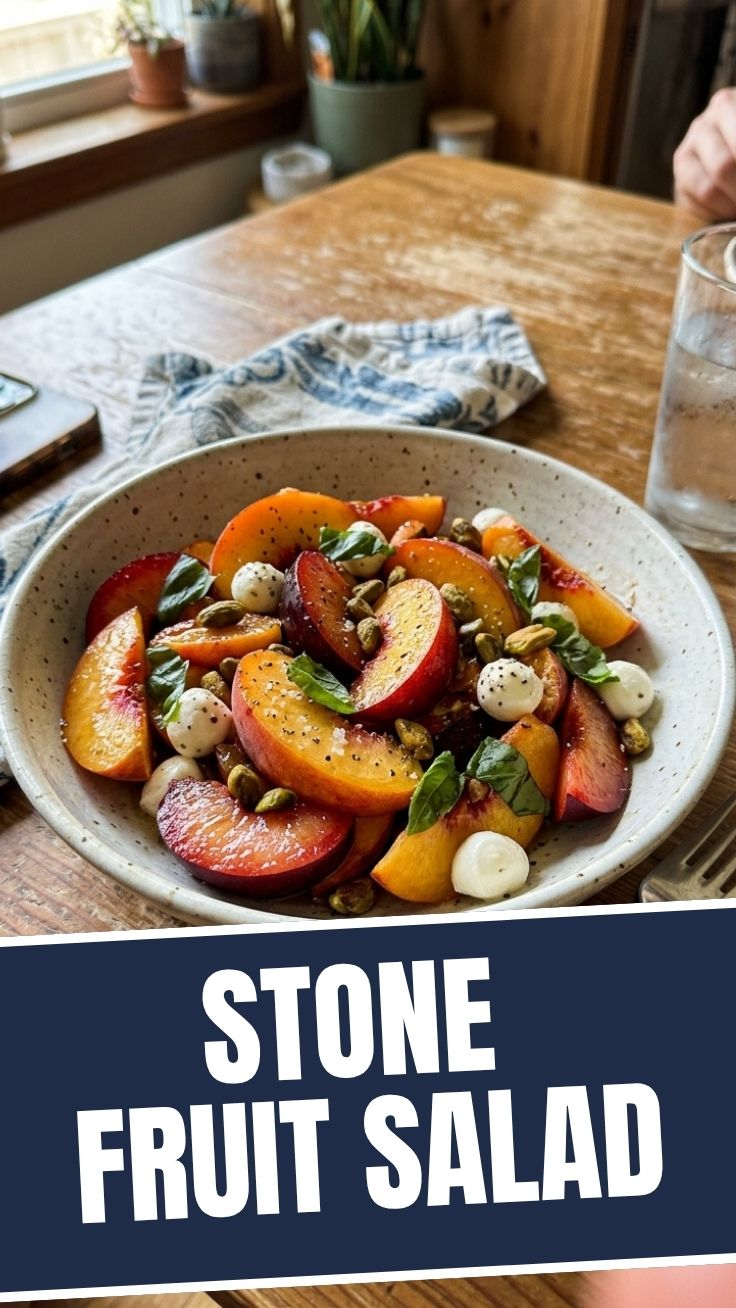
Have you ever bitten into a perfectly ripe peach or plum on a warm summer day and wondered why your fruit salads never taste that good at home? The secret isn’t in the fruit itself—it’s in the technique. Preparing a Stone Fruit Salad (Peach Plum) isn’t just about chopping and tossing. It’s about balancing textures, controlling ripeness, and elevating flavors with simple enhancements. Whether you’re looking for a light dessert or a vibrant side dish, mastering this salad gives you a versatile recipe that celebrates the best of summer produce. In this guide, you’ll learn how to create a stunning Stone Fruit Salad (Peach Plum) that’s both nutritious and visually appealing, while discovering why making it at home is far superior to store-bought alternatives.
Ingredients & Kitchen Tools
Essential Ingredients
– Peaches (2 large, ripe but firm) – Choose freestone varieties for easy slicing. Underripe peaches lack sweetness; overripe ones turn mushy.
– Plums (3 medium, any variety) – Red or black plums add color contrast and tartness. Adjust sweetness based on your preference.
– Fresh mint leaves (¼ cup, loosely packed) – Adds freshness and helps balance the fruit’s natural sugars.
– Honey or agave nectar (2 tablespoons) – Optional, but enhances natural fruit sweetness without overpowering.
– Fresh lime juice (2 tablespoons) – Prevents browning and adds acidity to brighten flavors.
– Sea salt (a pinch) – Elevates sweetness and reduces perceived tartness.
Kitchen Tools
– Sharp chef’s knife – A dull blade bruises soft stone fruit.
– Cutting board – Use a non-porous board to avoid absorbing fruit juices.
– Large mixing bowl – Preferably glass or ceramic to prevent reactive flavors.
– Citrus juicer – For extracting fresh lime juice without seeds.
– Measuring spoons – For precise honey and salt quantities.
Optional Substitutions
– Swap peaches for nectarines (peach’s smooth-skinned cousin).
– Replace honey with maple syrup or date paste for a vegan option.
– Use basil instead of mint for a peppery twist.
Prep Time & Cooking Schedule
– Prep Time: 10 minutes
– Resting Time: 15–20 minutes (for flavors to meld)
– Total Time: 25–30 minutes
This salad requires no cooking, but the resting phase is critical. During this time, the lime juice and salt draw out the fruit’s natural juices, creating a light syrup. Plan to assemble this salad 30 minutes before serving, especially if you’re hosting. The fruit will soften slightly but retain its shape if you don’t over-mix.
Step-by-Step Instructions
Step 1: Wash and Dry the Fruit – Rinse peaches and plums under cool water. Pat dry thoroughly with a clean towel. Excess moisture dilutes the dressing.
Step 2: Slice the Peaches – Cut each peach in half along the natural seam, twist to separate, and remove the pit. Slice into ¼-inch wedges. Keep the skin on for added fiber and color. For even slices, use a gentle sawing motion rather than pressing down hard.
Step 3: Slice the Plums – Halve the plums and remove the pits. Cut into similar-sized wedges as the peaches—uniformity ensures even flavor distribution.
Step 4: Prepare the Dressing – In a small bowl, whisk together the lime juice, honey (if using), and a pinch of salt. Taste and adjust sweetness—remember, the fruit will release its own sugars.
Step 5: Combine and Rest – Place the sliced fruit in a large bowl. Pour the dressing over the top and gently toss with a spatula. Avoid crushing the fruit. Let rest for 15 minutes at room temperature.
Step 6: Garnish and Serve – Just before serving, tear mint leaves (don’t chop, as bruising releases bitter compounds) and scatter over the top. Serve chilled or at room temperature.
Pro Tip: If the fruit is very ripe, reduce resting time to 10 minutes to prevent mushiness. For firmer fruit, rest up to 25 minutes. Remember, every Stone Fruit Salad (Peach Plum) benefits from tasting as you go—this is how you refine your Stone Fruit Salad Recipes for your personal palate.
Nutritional Benefits & Advantages
Stone fruits are nutritional powerhouses. Peaches provide vitamin C (10% of daily value per medium fruit) and beta-carotene, which supports eye health. Plums are rich in vitamin K and antioxidants like anthocyanins, which help reduce inflammation. The mint adds small amounts of iron and vitamin A, while lime juice boosts vitamin C absorption. A single serving of this salad contains roughly 80–100 calories, making it an excellent low-calorie, high-fiber option for weight management. Additionally, the natural sugars are paired with fiber, preventing blood sugar spikes—a key advantage over sugary desserts.
Tips Variations & Cooking Advice
– Spice It Up: Add a pinch of finely diced fresh ginger or a dash of cayenne pepper for heat.
– Berry Boost: Toss in fresh blueberries or raspberries for extra texture and antioxidants.
– Cheese Pairing: Serve the salad with crumbled feta, goat cheese, or fresh mozzarella pearls for a savory balance.
– Grilled Version: Grill peach and plum halves (cut side down) for 2–3 minutes before slicing. The caramelization adds smoky depth.
– Dairy-Free Adaptation: Skip cheese and use a drizzle of coconut cream for richness.
– Gluten-Free Note: This recipe is naturally gluten-free—just ensure your honey or agave is certified gluten-free if needed.
– Portion Change: Double the recipe and use it as a topping for yogurt, pancakes, or grilled chicken.
Common Mistakes to Avoid
Mistake 1: Using Overly Ripe Fruit – Overripe peaches and plums break down into mush. Solution: Choose fruit that yields slightly to pressure but isn’t soft. If only ripe fruit is available, reduce resting time to 5 minutes.
Mistake 2: Overdressing – Too much lime juice or honey masks natural fruit flavors. Solution: Start with less dressing—you can always add more after tasting.
Mistake 3: Forgetting the Salt – A pinch of salt is non-negotiable; it enhances sweetness and balances acidity. Solution: Always add salt to the dressing, not directly to the fruit.
Mistake 4: Storing Before Serving – This salad is best eaten fresh. If stored, the fruit becomes watery. Solution: Prep ingredients separately and combine just before serving.
Mistake 5: Skipping the Rest – Immediate serving results in bland flavors. Solution: Always allow 15 minutes for flavors to meld—the salt and acid need time to work.
Storage & Meal Prep Tips
– Refrigeration: Store leftovers in an airtight container for up to 24 hours. The fruit will soften but remain edible.
– Freezing: Not recommended—thawed fruit becomes mushy and watery. Instead, freeze individual peach slices for smoothies.
– Reheating: This salad is served cold or room temperature. If you prefer warm fruit, gently sauté slices in a dry pan for 1 minute.
– Meal Prep Hack: Wash and dry fruit up to 2 days ahead. Slice and dress only when ready to serve. Store sliced fruit in separate containers with a lemon wedge to prevent browning.
Conclusion
Mastering a Stone Fruit Salad (Peach Plum) is about celebrating summer’s best produce with minimal effort and maximum flavor. By following the tips on selecting ripe fruit, balancing dressing, and avoiding common pitfalls, you’ll create a dish that impresses every time. Whether you serve it solo or explore more creative Stone Fruit Salad Recipes, this recipe is your foundation for endless variations. We encourage you to try it this week, share your results with friends, or tag us with your culinary twists. Have you made this salad before? Leave a comment below and tell us your favorite fruit combo!
FAQs
1. Can I use frozen peaches or plums for this salad?
Yes, but thaw them completely and drain excess liquid. Note that frozen fruit is softer, so reduce resting time to 5 minutes and skip the salt (which draws out even more moisture).
2. How do I prevent the fruit from browning?
The lime juice in the dressing acts as a natural antioxidant. Ensure you coat all slices evenly. If prepping ahead, toss sliced fruit with extra lemon juice before refrigerating.
3. What if my fruit is too tart?
Increase the honey or agave by 1 tablespoon. Alternatively, add a mashed ripe banana to the dressing for natural sweetness without liquid.
4. Can I make this salad sugar-free?
Absolutely. Omit the honey and rely on the natural sweetness of fully ripe fruit. Add a few drops of stevia if needed, but taste first—ripe peaches are often sweet enough alone.
5. How long will leftovers last in the fridge?
Up to 24 hours, but texture changes occur after 12 hours. The fruit releases juices, creating a more liquid consistency. Use leftovers as a topping for oatmeal or yogurt to avoid waste.
Best way to grow Stone Fruit Salad (Peach Plum)
Ingredients
Equipment
Method
- Choose a sunny location with well-draining soil and good air circulation for your peach and plum trees. Dig a hole twice as wide as the root ball and just as deep, then carefully place the sapling in the center of the hole, ensuring the root collar is level with the soil surface.
- Backfill the hole with a mixture of soil and compost, gently tamping down the soil around the base of the tree to remove air pockets, and water thoroughly after planting.
- Water regularly, especially during dry periods, to keep the soil consistently moist but not waterlogged, and fertilize annually in early spring with a balanced fertilizer or compost.
- Prune your trees in late winter or early spring to remove dead or diseased branches, improve air circulation, and shape the tree for optimal fruit production.
- Monitor for pests and diseases, addressing any issues promptly with appropriate organic or chemical controls, and thinning fruit when it's about an inch in diameter to ensure larger, healthier fruits at harvest.
- Harvest peaches and plums when they are fully colored, slightly soft to the touch, and easily detach from the branch with a gentle twist.