The Ultimate Guide to Making Perfect Beignets (New Orleans Style) at Home
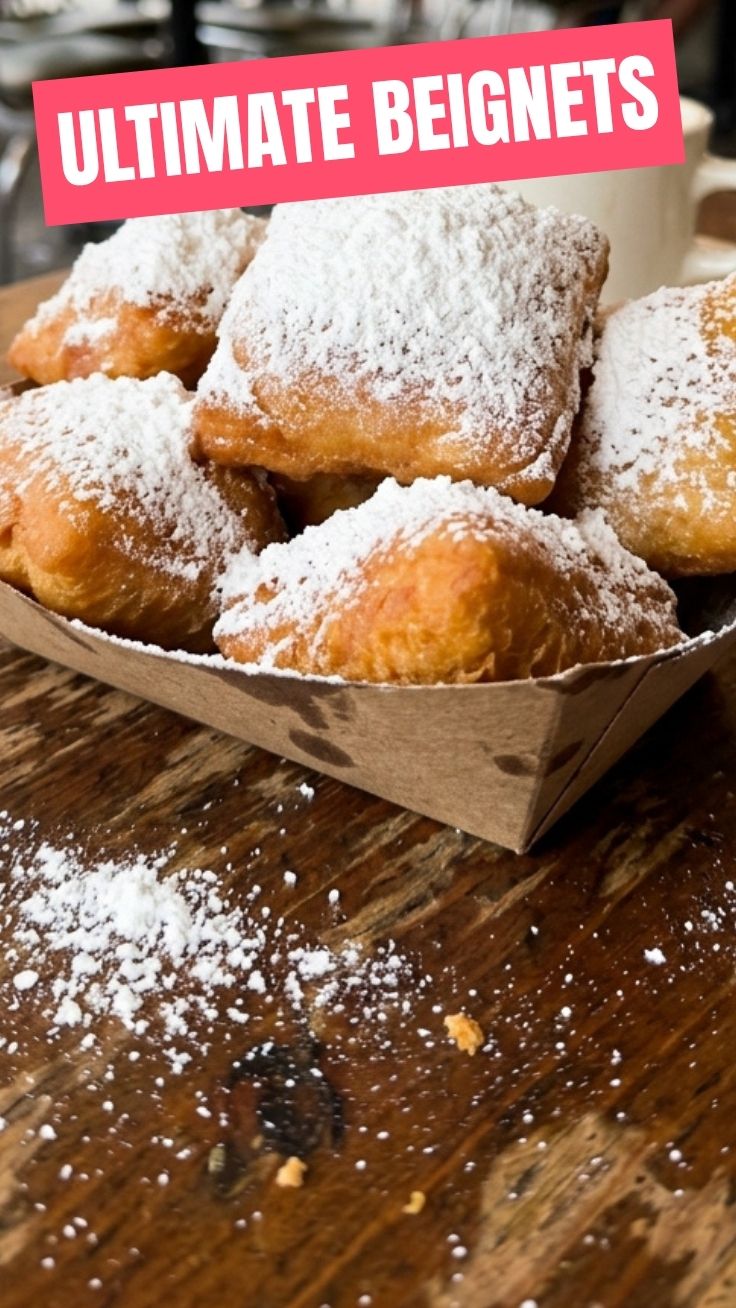
Have you ever bitten into a warm, pillowy square of fried dough dusted with mountains of powdered sugar and felt instantly transported to the French Quarter? That magic comes from Beignets (New Orleans Style)—a culinary icon that has delighted locals and tourists for centuries. While it’s tempting to book a flight to Café du Monde, the good news is that you can recreate this cloud-like beignet recipe in your own kitchen with just a few simple ingredients and a little patience. Preparing them at home not only saves money and travel time but also lets you enjoy them fresh, hot, and endlessly customizable. In this guide, we’ll walk through every detail so you can master this classic treat, from proofing the yeast to achieving the perfect golden crust.
Ingredients & Kitchen Tools
Ingredients
– All-purpose flour (3½ cups) – provides structure and chewiness; bread flour may be substituted for slightly more chew.
– Active dry yeast (1 packet, 2¼ tsp) – the leavening agent that creates airy pockets. Instant yeast works too, but reduce rest time slightly.
– Warm milk (¾ cup, 110°F) – activates the yeast and adds tenderness. Use whole milk for richest flavor; oat or almond milk works for dairy-free.
– Granulated sugar (2 tbsp) – feeds the yeast and adds subtle sweetness.
– Large egg (1) – enriches the dough and helps with browning.
– Unsalted butter (2 tbsp, melted) – adds moisture and flavor. Coconut oil is a good dairy-free alternative.
– Salt (½ tsp) – balances sweetness and strengthens gluten.
– Vegetable oil (for deep frying, about 4–6 cups) – use a neutral oil with a high smoke point, like canola or peanut.
– Powdered sugar (1–2 cups, for dusting) – the iconic finishing touch; sift generously.
Kitchen Tools
– Large mixing bowl or stand mixer with dough hook
– Whisk and measuring cups/spoons
– Rolling pin
– Pizza cutter or sharp knife (for cutting squares)
– Deep-fry thermometer (essential for oil temperature control)
– Large heavy pot or Dutch oven (at least 4 quarts)
– Slotted spoon or spider strainer
– Wire rack over baking sheet (for draining)
– Fine-mesh sieve (for sifting powdered sugar)
Prep Time & Cooking Schedule
– Prep time: 20 minutes (active mixing and kneading)
– Rising time: 1 hour 30 minutes (first proof) + 30 minutes (second proof after shaping)
– Cook time: 2–3 minutes per batch (fry in small batches)
– Total: Approximately 2 hours 30 minutes (mostly hands-off)
Plan ahead: Make the dough in the morning for afternoon snacking, or refrigerate it overnight for a quicker fry session the next day. Chilled dough is even easier to handle and yields slightly more uniform puffing.
Step-by-Step Instructions
1. Activate the yeast. In a small bowl, combine warm milk (110°F), 1 tablespoon of sugar, and the yeast. Let stand 5–10 minutes until foamy. If no foam appears, the yeast may be dead—start over.
2. Mix the dough. In a large bowl (or stand mixer), whisk together flour, remaining sugar, and salt. Add the yeast mixture, beaten egg, and melted butter. Mix until a shaggy dough forms, then knead for 5–7 minutes until smooth and elastic. If sticky, add flour 1 tablespoon at a time.
3. First proof. Place dough in a lightly oiled bowl, cover with plastic wrap or a damp towel, and let rise in a warm, draft-free spot until doubled (about 1½ hours).
4. Roll and cut. Turn dough onto a floured surface. Roll to ¼-inch thickness. Cut into 2½- to 3-inch squares. Let squares rest uncovered for 30 minutes—they’ll puff slightly.
5. Heat the oil. In your pot, heat oil to 360°F using a thermometer. Temperature control is critical: too low and beignets absorb oil; too high and they brown before cooking through.
6. Fry in batches. Gently drop 3–4 squares into the hot oil. They will sink then float. Fry 1–2 minutes per side until deep golden brown. Adjust heat to maintain 360°F between batches.
7. Drain and dust. Use a slotted spoon to transfer beignets to a wire rack. While still warm, sift a generous layer of powdered sugar over them. Serve immediately for best texture.
Tip for perfect puff: Don’t overcrowd the pot—cold dough drops can lower oil temperature significantly. And as you master this Beignets (New Orleans Style) from scratch, you’ll quickly appreciate how the beignet recipe rewards patience with an ethereal, hollow interior.
Nutritional Benefits & Advantages
Though beignets are an indulgence, the simple ingredients offer a few modest benefits. The all-purpose flour provides carbohydrates for quick energy, while the small amount of butter and milk contributes calcium and vitamin D. The egg adds high-quality protein (about 2g per beignet). The main advantage is portion control: unlike bakery versions, homemade beignets let you decide the size and oil quality. Using canola or peanut oil for frying adds heart-healthy monounsaturated fats. And that snowy blanket of powdered sugar? A light sifting reduces sugar load compared to the thick coating at cafés. Enjoy them as a joyful occasional treat, not an everyday staple.
Tips, Variations & Cooking Advice
– Flavor variations: Add 1 teaspoon of vanilla extract to the milk, or swap in ½ teaspoon of ground nutmeg or cinnamon in the flour for a warm spice note.
– Filling option: After frying, use a piping bag to inject pastry cream, lemon curd, or chocolate ganache into the center.
– Gluten-free adaptation: Use a 1:1 gluten-free flour blend with xanthan gum. The dough will be stickier; refrigerate 1 hour before rolling.
– Vegan/dairy-free: Replace milk with oat or almond milk, use melted coconut oil instead of butter, and substitute the egg with 1 tablespoon ground flaxseed mixed with 3 tablespoons water (rest 5 minutes).
– Baking alternative: For a healthier twist, bake the squares at 400°F for 8–10 minutes, flipping halfway. Texture will be bready rather than puffy.
– Spiced sugar: Instead of only powdered sugar, mix with a pinch of cayenne or cardamom for a savory-sweet kick.
Common Mistakes to Avoid
– Oil too cool / too hot: Always use a thermometer. If you don’t have one, test with a dough scrap: it should sizzle immediately and float in about 10 seconds.
– Over-kneading: Knead just until smooth. Overworking the dough develops too much gluten, making beignets tough.
– Skipping the second rest: Cutting and resting the dough squares is essential for air pockets. Skipping this step yields dense beignets.
– Dusting too early or too late: Sugar won’t stick to cold beignets, but it will melt into greasy patches if the beignets are still dripping with oil. Drain on a rack for 30 seconds, then sugar immediately.
– Stacking while hot: Steam will make the sugar dissolve and the bottom layer soggy. Keep single-layer on racks until served.
Storage & Meal Prep Tips
Leftover beignets are best eaten the same day, but you can store them in an airtight container at room temperature for up to 24 hours. Revive them in a 350°F oven for 5 minutes—microwaving makes them chewy. For longer storage, freeze unfried dough squares on a baking sheet, then transfer to a freezer bag. Fry directly from frozen, adding 30–45 seconds per side. Never refrigerate fried beignets; cold causes the interior to harden and the sugar to liquefy. For meal prep, make the dough the night before, refrigerate after the first proof, then roll, cut, and fry the next day.
Conclusion
Making Beignets (New Orleans Style) at home is a rewarding journey that brings the lively spirit of the French Quarter to your breakfast table or dessert spread. With this beignet recipe, you now have a reliable roadmap to achieve that signature light, airy interior and crackling sugar coating. The process is simple yet yields impressive results—perfect for weekend brunch, Mardi Gras celebrations, or a fun baking project with kids. We encourage you to try it, tweak the variations to your liking, and share your golden, puffy triumphs with friends. Leave a comment below with your favorite twist, or browse our other fried dough recipes for more inspiration. Happy frying!
FAQs
1. Can I use instant yeast instead of active dry yeast?
Yes. Instant yeast doesn’t require proofing; mix it directly with the dry ingredients. Reduce the first rise time by about 20 minutes.
2. Why are my beignets not puffing up in the oil?
Several reasons: the dough wasn’t rested long enough, the oil is too hot or too cold, or the squares were rolled too thin. Aim for ¼-inch thickness and maintain 360°F oil temperature.
3. Can I make the dough gluten-free?
Absolutely. Use a high-quality 1:1 gluten-free flour blend containing xanthan gum. The dough will be stickier; chill it for at least 1 hour before rolling.
4. How do I prevent beignets from becoming greasy?
Ensure oil is at 360°F, fry only 3–4 at a time, and drain on a wire rack (not paper towels) to allow excess oil to drip off.
5. What’s the best way to reheat leftover beignets?
Preheat oven to 350°F, place beignets directly on the oven rack for 5 minutes, then dust with fresh powdered sugar. Avoid microwaving at all costs.
Best way to grow 6 Beignets (New Orleans Style)
Ingredients
Equipment
Method
- In a small bowl, dissolve yeast in warm water with a pinch of sugar; let it proof for 5-10 minutes until foamy.
- In a larger bowl, combine warm milk, remaining sugar, and the egg; then stir in the proofed yeast mixture.
- Gradually add flour and salt to the wet ingredients, mixing until a shaggy dough forms, then incorporate the melted butter.
- Knead the dough on a lightly floured surface for about 5-7 minutes until it becomes smooth and elastic.
- Place the dough in a greased bowl, cover, and let it rise in a warm place for 1-2 hours, or until doubled in size.
- Punch down the risen dough, then roll it out onto a floured surface to about 1/4-inch thickness.
- Cut the dough into 2-inch squares using a sharp knife or pastry wheel.
- Heat vegetable oil in a deep pot or Dutch oven to 350°F (175°C).
- Carefully drop a few beignet squares into the hot oil, ensuring not to overcrowd the pot.
- Fry each side for 1-2 minutes until golden brown and puffed, then remove them with a slotted spoon to a paper towel-lined plate.
- Dust the hot beignets generously with powdered sugar before serving immediately.